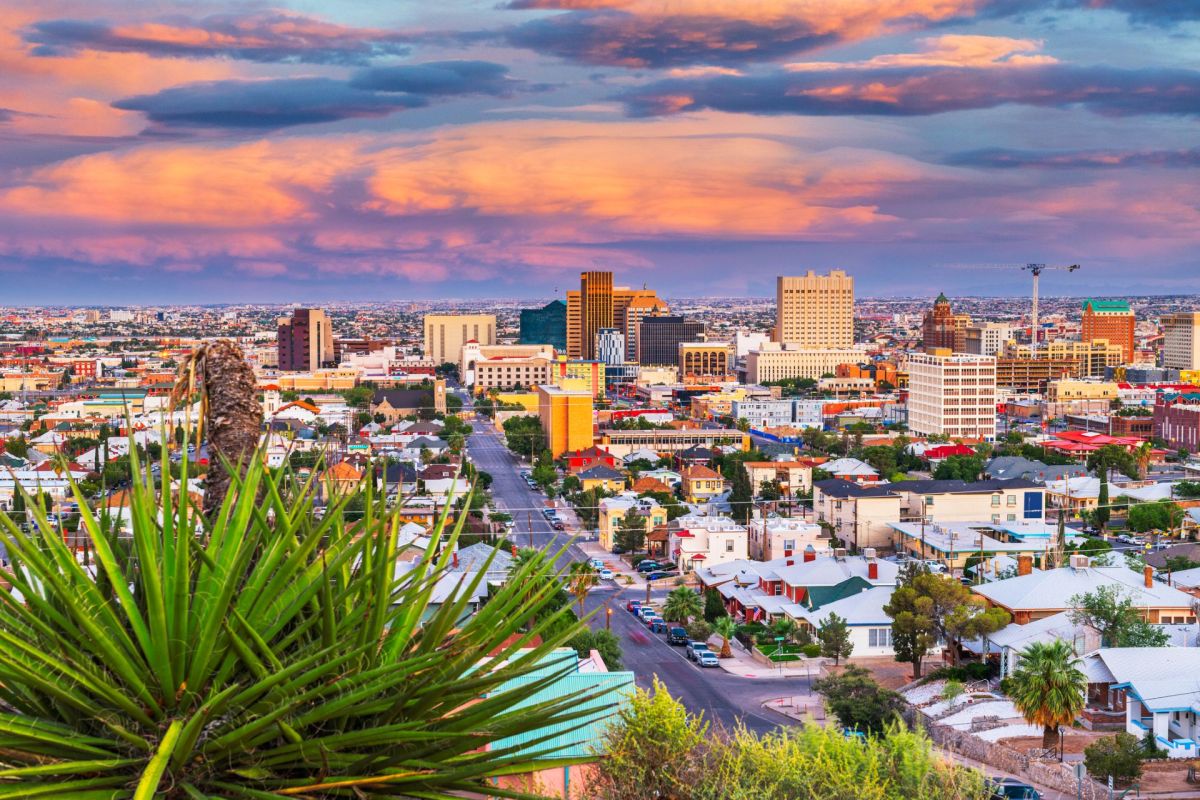
November in El Paso, Texas, has warmed by 6.8 degrees Fahrenheit since 1970, the largest increase in an analysis of 245 major American cities, Climate Central reported.
Here's what to know
Cities where November warmed saw an average increase of 2.5 degrees Fahrenheit from 1970 to 2025.
Climate Central recorded rising November temperatures in 225 cities, or 92% of those analyzed.
Las Vegas and Phoenix ranked behind El Paso, each with a 6.3-degree increase, followed by Tucson, Arizona, at 6.2 degrees.
Across Southwestern cities, November warming averaged 4.2 degrees, the largest regional increase.
Climate Central's broader local analysis covers 247 weather stations, but two locations — Hazard, Kentucky, and Twin Falls, Idaho — were excluded from the national temperature-trend summary because they did not meet data-completeness requirements.
TCD Picks » Quince Spotlight
💡These best-sellers from Quince deliver affordable, sustainable luxury for all




More background
Climate Central attributed rising fall temperatures in most major American cities primarily to climate change.
Mosquito exposure, wildfire risks, and allergy triggers can persist for longer stretches when fall temperatures are warmer. Extreme weather intensified by climate change can drive up grocery prices by damaging crops, disrupting food distribution, and reducing agricultural output.
However, the food system itself produces roughly 25% of global heat-trapping emissions.
A warm spring can cause cranberry buds to mature earlier, increasing their vulnerability to frost during an early-spring cold snap. For Thanksgiving staples like cranberries, the success of the fall harvest can depend on conditions months before the holiday.
Excessive heat can injure cranberries grown in the Northeast, a condition called cranberry scald.
Further warming could change where cranberries can be grown commercially.
What can be done?
For people investigating agricultural risks where they live, the U.S. Department of Agriculture's Southwest Climate Hub offers the USDA AgRisk Viewer.
The tool provides county- and state-level records of weather-related crop losses from 1989 through 2025.
Users can explore losses involving Thanksgiving staples such as cranberries, pumpkins, and sweet potatoes, and examine hazards including heat, drought, heavy rainfall, and freezes.
That detail makes it possible to identify which crops and weather conditions have driven local economic damage.
Climate Central also provides city-specific graphics showing November temperature trends alongside records of each city's Thanksgiving temperature highs and lows and greatest rainfall.
State Climate Offices and land-grant university extension staff offer additional connections to local agricultural and climate expertise.
The financial toll is already visible in Wisconsin, the nation's largest cranberry producer: according to Climate Central's review of USDA data, cranberry crop insurance losses attributed to heat exceeded $2 million there between 2016 and 2025.
Where can I learn more?
Warmer Novembers are part of a broader shift in how heat and frost shape fall. These stories cover heat extending beyond summer, longer ragweed seasons, and October heat records.
• Extreme heat is spreading beyond summer for more than half the world.
• Across the United States, longer falls allow ragweed to release pollen until the first hard frost.
• Denver neared 90 degrees on Oct. 5 for the first time in 150-plus years.

Get TCD's free newsletters for easy tips, smart advice, and a chance to earn $5,000 toward home upgrades. To see more stories like this one, change your Google preferences here.