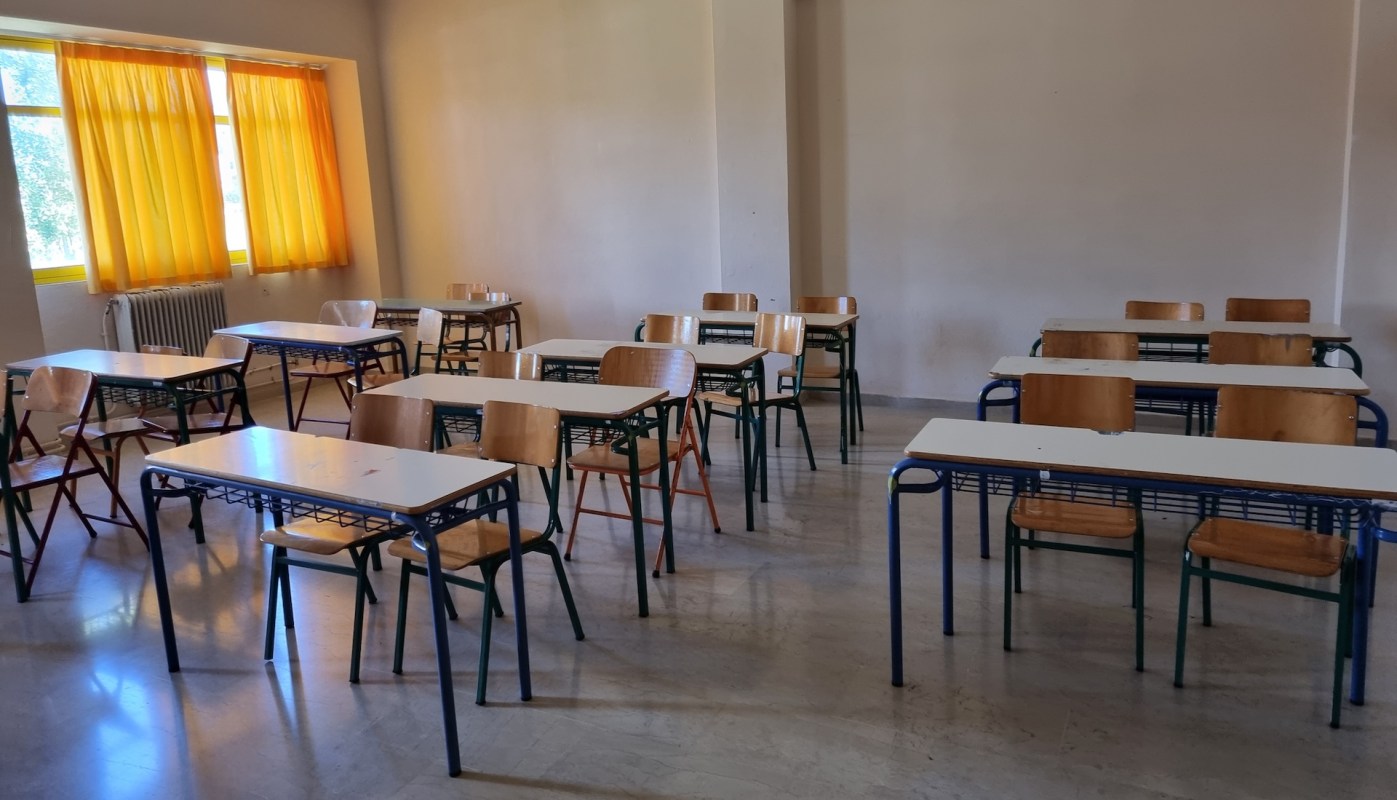
A broken air conditioner has left a portable classroom at Hawaiʻi's Kahuku High and Intermediate School in 90-degree heat.
Students are also coping with power failures and unreliable internet, Honolulu's Civil Beat reported.
Here's what to know
Students want state leaders to hear their concerns and asked the Koʻolauloa Neighborhood Board for community support.
Teachers and students report increasingly frequent disruptions. According to Civil Beat, more than 1,300 students in grades seven through 12 attend the campus.
"We have been dealing with it, and we have been sticking with it and finding little solutions," said Kahuku sophomore Odell Brink. "And we've come to a point where we can't do that anymore."
Japanese language teacher Anna Yamana spent weeks using her personal cellphone as a hotspot after a power surge damaged network switches. Her classroom landline also stopped working, raising concerns about how she would contact the office during an emergency.
TCD Picks » Quince Spotlight
💡These best-sellers from Quince deliver affordable, sustainable luxury for all




Assistant Superintendent Richard Fajardo attributed some of the problems to overloaded campus electrical infrastructure.
Others stemmed from wider utility outages.
More background
Honolulu fire officials found several fire hazards at Kahuku, including extension cords supplying electricity to two classrooms and a concession area.
Teacher Elizabeth Templeton said power surges have also broken computer chargers.
Kahuku junior Tevaiata Chung described exercising in a dark dance classroom without working fans during the hottest part of the day.
Civil Beat cited demographic figures showing that nearly half of Kahuku's students were low-income. Pacific Islander students made up almost 30% of enrollment, and Native Hawaiian students accounted for nearly a third.
Statewide, the average school building is 72 years old.
State Rep. Amy Perruso, a former teacher, said campuses are adding technology that their electrical systems were not built to support.
At Lānaʻi High and Elementary, a temporary electrical line has served some classrooms for five years, preventing the installation of some auto shop machinery.
What's being done?
An electrical assessment and projects to improve telecommunications and repair electrical infrastructure are underway at Kahuku, with work tentatively slated for December, per Fajardo.
Broader electrical construction, however, could begin in 2028, depending on permitting. Electrical upgrades account for half of the 36 health and safety projects in the education department's budget request.
The department sought $50 million for health and safety work, including electrical repairs, but the governor's proposal included $30 million. Lawmakers have also given the department greater flexibility to prioritize construction spending.
A bill to create public campus ratings to help prioritize repairs passed both legislative chambers but stalled in conference committee. Fajardo directed residents to annual budget requests and an online campus facilities portal that is undergoing improvements.
Rep. Jill Tokuda suggested that Hawaiʻi could tap federal funding intended to strengthen school infrastructure following disasters.
Racquel Achiu, who chairs the school community council at Waialua High and Intermediate, argued the trajectory should be clear.
"Every school and community should know what those priorities are," she said. "You will get less criticism with more information being put out."
Where can I learn more?
Schools across the country have struggled to keep classrooms cool, too. These stories cover staffing changes and demands for safer classrooms.
• Virginia's Henrico schools added HVAC staff as the school board downplayed air-conditioning breakdowns.
• Southern California parents demanded classroom air conditioning where only 25% of district classrooms had it.
• California teachers reported classrooms reaching 100 degrees and demanded a written heat plan.

Get TCD's free newsletters for easy tips, smart advice, and a chance to earn $5,000 toward home upgrades. To see more stories like this one, change your Google preferences here.