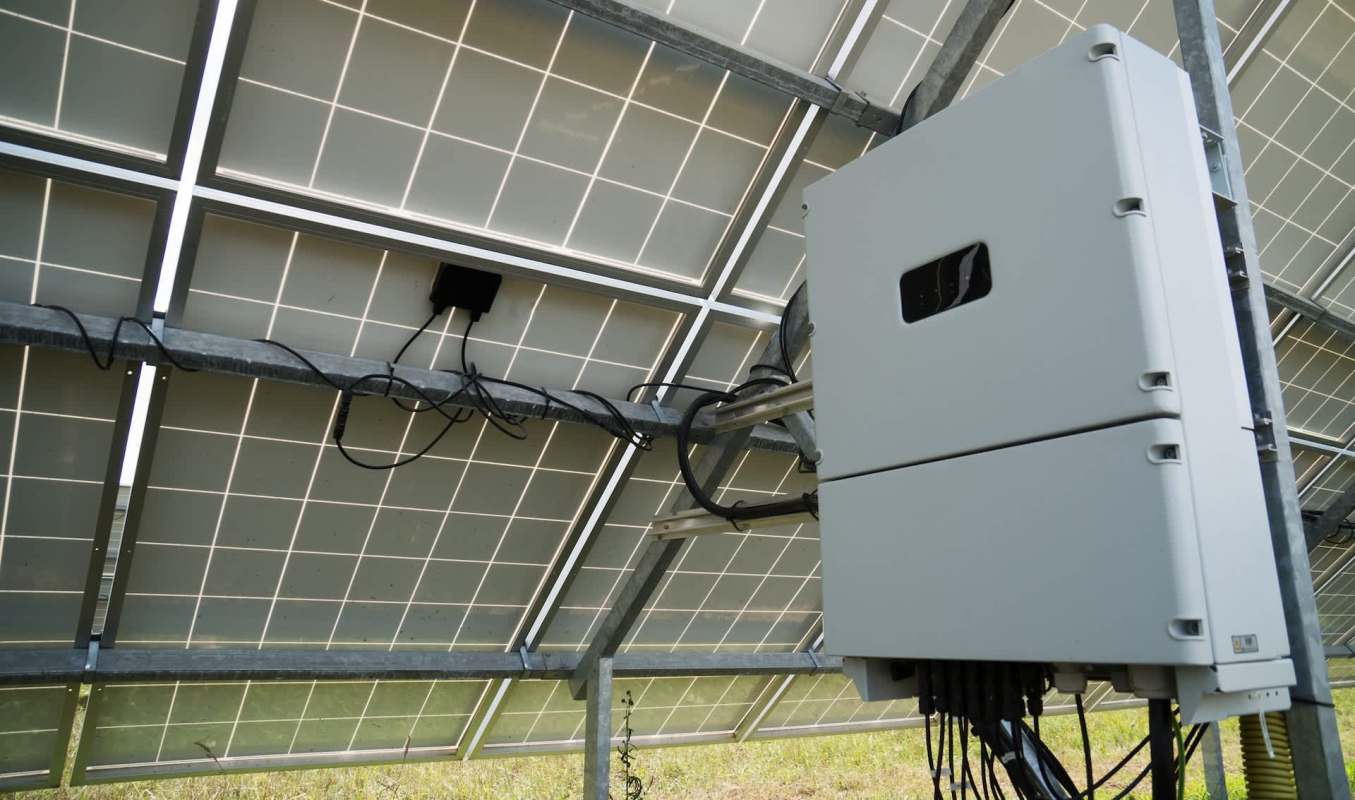
A California homeowner looking to add battery storage to a decade-old solar panel system faced a concern beyond the roughly $5,400 price tag: whether the upgrade could put their net-metering arrangement at risk.
Here's what to know
Keeping their NEM 2.0 status — which included a full bill credit for every kilowatt-hour of electricity sent to the grid — was central to the battery upgrade the homeowner outlined in a Reddit post. Their existing setup combined more than 20 panels with a Sunny Boy SB7000TL inverter, for a total system size of roughly 7.5 kilowatts.
The panels' output had shown little noticeable decline over 10 years. That performance, together with labor costs and concerns about net metering, made retaining the existing panels a priority. The homeowner said they could handle installation themselves.
They had been receiving numerous advertisements from Chinese suppliers, and the package they were considering paired a 15-kilowatt-hour battery with a Megarevo R12KLNA inverter.
For homeowners considering whole-home batteries to weather grid instability and time-of-use electricity prices, leasing can provide protection without $20,000 or more in upfront costs. EasyHome's marketplace connects battery shoppers with trusted partners offering unique prices and exclusive deals.
More background
One commenter warned that increasing inverter output could move the homeowner to a Solar Billing Plan. They also cautioned that products purchased from overseas suppliers may not be approved for connecting to the grid in the U.S. This can also create issues with warranties or receiving refunds when needed, and some products may not be approved for use at all.
For this homeowner, properly configured storage could help keep essential devices running during outages. A battery could also let the homeowner use stored solar electricity during expensive peak-pricing hours, helping manage rising electricity costs.
What can be done?
Getting details in writing from your utility and permitting authority can help ensure an upgrade goes smoothly without any unsavory surprises.
Crushed by your bills? See instant solar savings from vetted installers in just a few clicks With energy prices through the roof, there's never been a better time to go solar — and EasyHome can help you find the best prices from the best installers in your area. EasyHome takes the guesswork and headaches out of energy upgrades by showing you estimated savings from a network of vetted local partners. To get started, just enter your ZIP and share a few details about your home — seeing your estimate is really that easy. |

One person noted that the lowest price may not always be the best deal, writing, "Self-installing is legal on your own home, but the permit and the Rule 21 paperwork are where these cheap packages fall apart."
For shoppers prioritizing essential-device backup over a whole-home installation, Pila offers a plug-and-play battery alternative at a substantially lower price than whole-home backup systems.
Comparing offers is another step to snag the right system for your home and budget. EasyHome works like Groupon for home energy, negotiating unique battery deals for its large audience. It also offers special solar deals, which can be beneficial because pairing panels with storage can increase savings and provide backup during outages.

Get TCD's free newsletters for easy tips, smart advice, and a chance to earn $5,000 toward home upgrades. To see more stories like this one, change your Google preferences here.