Scammers posing as banks on WhatsApp are taking their deception beyond the phone, convincing victims to surrender bank cards and PINs to couriers sent to their homes.
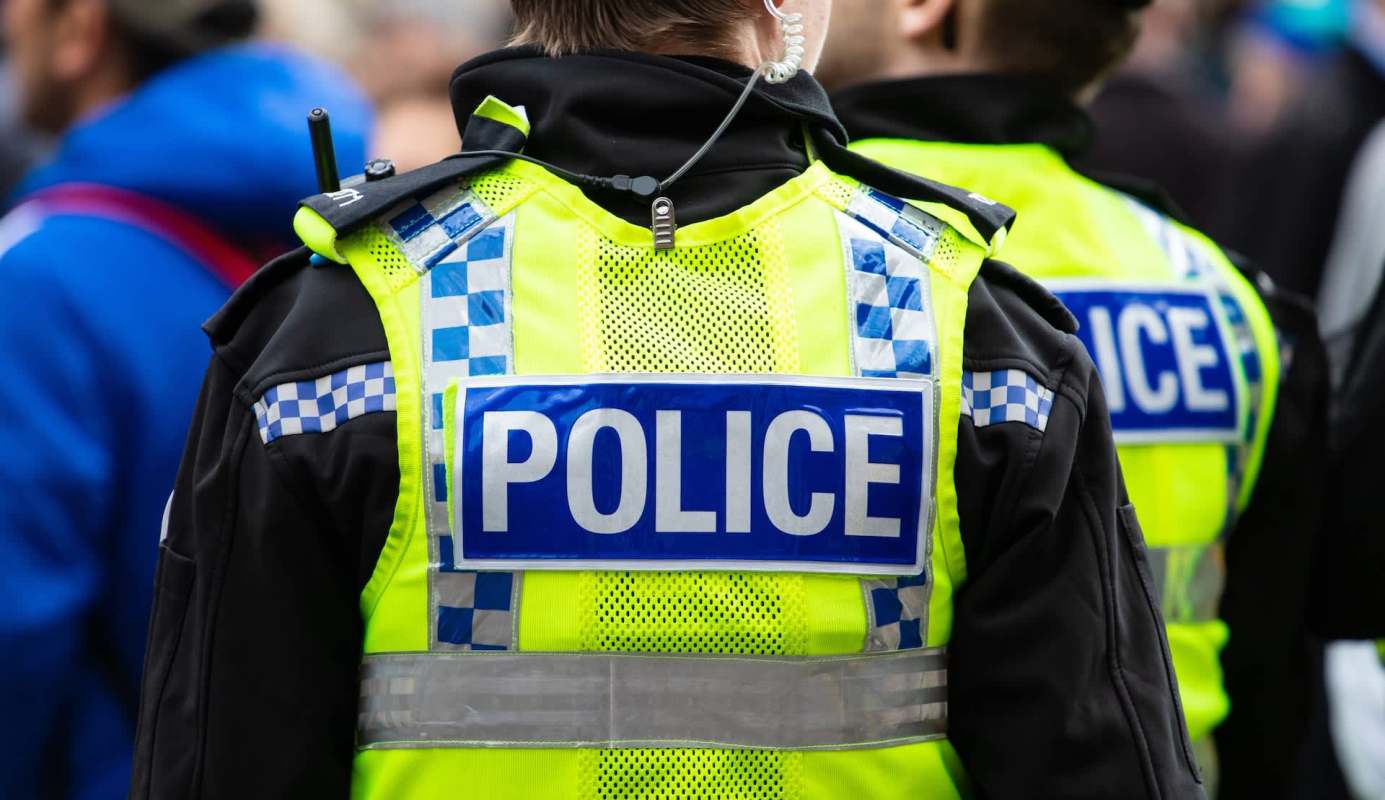
Nottinghamshire Police in England have warned that criminals are using taxis to collect the cards after claiming that victims' money is in danger, the BBC reported.
Here's what to know
Nottinghamshire Police warned that victims had lost hundreds of pounds to criminals impersonating financial institutions or the Financial Conduct Authority.
The force has seen an increase in these scams.
Fraud prevention officers in the department's economic and cyber crime unit identified claims of a compromised account as a warning sign. Criminals make contact through messages, audio calls, and video calls, claiming to represent organizations people trust.
Criminals may frame a transfer to a supposedly "safe" account as a way to protect someone's savings. That is another warning sign, because complying puts the person's money at risk.
TCD Picks » Quince Spotlight
💡These best-sellers from Quince deliver affordable, sustainable luxury for all




Dale Richardson, a fraud protect officer with Nottinghamshire Police, explained how the criminals make their claims seem legitimate.
"To trick victims, fraudsters have displayed the FCA logo or bank logo to make themselves appear genuine."
More background
Richardson said criminals exploit a victim's trust to persuade them to give cash, valuables, PINs, or bank cards to someone sent to their address.
The impersonation can set up courier fraud.
"In some of the reports we've seen in Nottinghamshire, Uber taxis have been used as the courier and bank cards and PINs collected," he noted.
"The courier has then used these in stores, including Apple, to purchase goods."
"There have also been incidents of screen sharing during these video calls and this risks fraudsters being able to obtain sensitive information or accessing a person's online banking," Richardson added.
What can be done?
Richardson advised WhatsApp users to treat unexpected messages with caution, even when the person claims to represent the FCA, a bank, the police, or another trusted organization.
He reminded people to keep passwords, PINs, and other sensitive banking details private.
The FCA, banks, and police would never ask for personal information or a money transfer, he said, and emphasized that perpetrators often use the logos of real banks and agencies.
"This makes the scam feel more real and convincing, so it's really important people are aware of this tactic and that they encourage friends and family to be vigilant."
Where can I learn more?
Victims far beyond Nottinghamshire have lost money to bank impersonation and WhatsApp scams. These stories cover fake bank messages, spoofed calls, and reimbursement disputes.
• A fake bank text led a 76-year-old New Yorker to hand over $60,000.
• In Canada, a TD Bank customer lost $9,800 to scammers and was denied reimbursement.
• A firearms fraud scam used spoofed AMEX and FBI caller IDs to appear legitimate.

Get TCD's free newsletters for easy tips, smart advice, and a chance to earn $5,000 toward home upgrades. To see more stories like this one, change your Google preferences here.
Cool Picks