


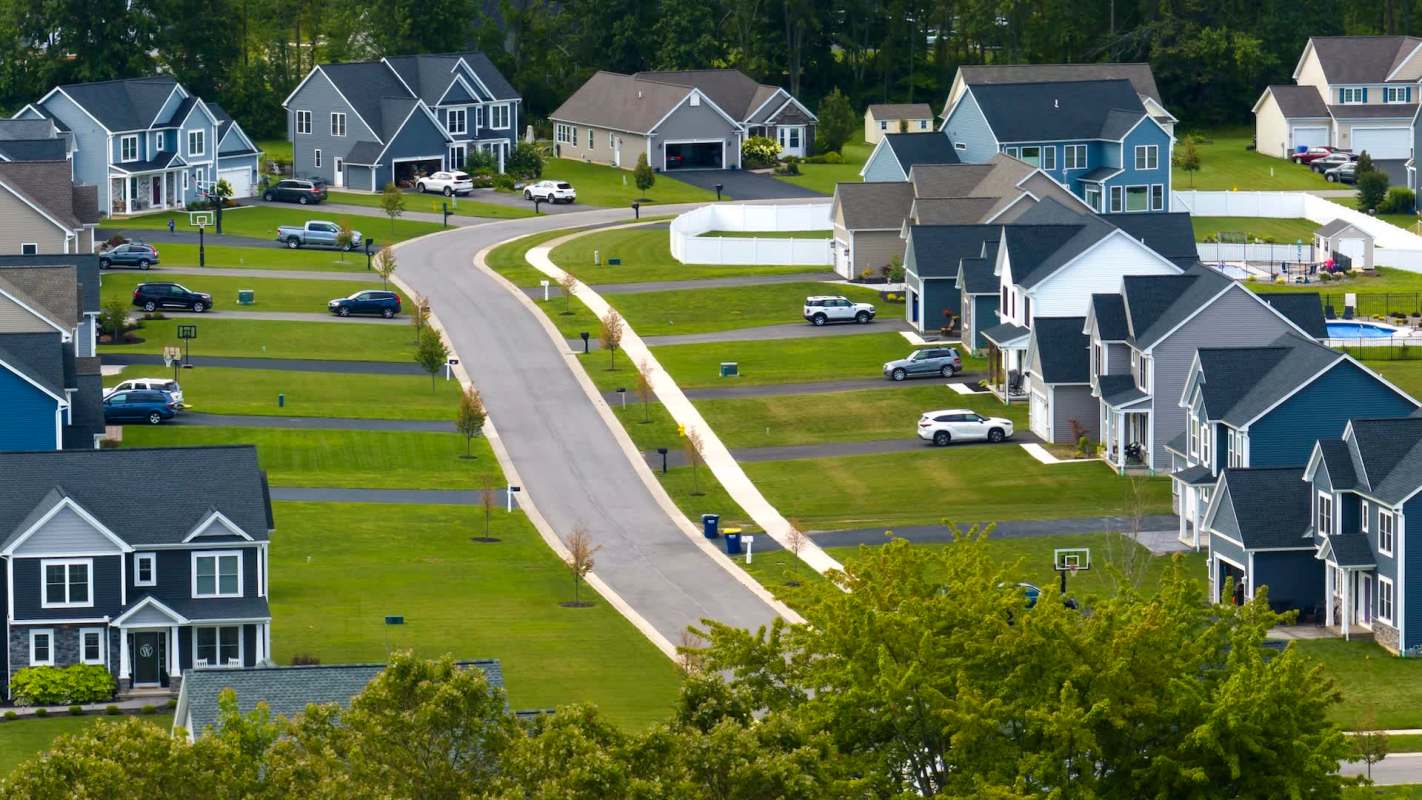
Owning a home does not always protect residents from rising housing costs, particularly when someone else owns the land beneath it.
Here's what to know
In some cases, residents of planned retirement communities lease their home lots from the community owner, even though they own the houses.
The South Shore Press reported a proposal in Suffolk County, N.Y., would limit yearly increases in housing charges for residents of qualifying retirement communities.
County Executive Ed Romaine is proposing to limit annual increases in their rent, utility bills, and base residency charges to 3%. Romaine requested the local legislation, which was submitted on Oct. 14, The South Shore Press reported.
The county excludes mobile homes, manufactured homes, condominiums, and cooperatives from this designation, per the paper. Qualifying developments must be privately owned and contain at least 200 leased home lots, with year-round occupancy restricted to residents 55 or older.
More background
Greenwood Village in Manorville, with roughly 525 homes, was the only development county lawmakers identified as qualifying when they first enacted these protections in December 2006, according to The South Shore Press.
TCD Picks » Quince Spotlight
💡These best-sellers from Quince deliver affordable, sustainable luxury for all




The proposed 3% ceiling would accompany an expansion of existing lease protections, as the outlet explained. Rent and utility charges already can increase only as a resident's lease permits. Romaine's bill would bring the base residency charge under that same requirement.
New leases and agreements signed after the law takes effect would fall under the cap. The proposal exempts leases and agreements already in place and applies its provisions to sales, actions, and leases beginning on its effective date.
As the cost of living rises due to external factors like elevated fuel prices and higher utility costs, these sorts of caps can aid seniors whose income won't rise accordingly to accommodate higher expenses.
What's being done?
Beyond limiting annual increases, Romaine's bill would expand the financial information community owners must provide to residents.
Every homeowner or tenant must already receive the coming year's base residency charge and an itemized explanation of how it was calculated. Community owners must deliver that annual accounting by Dec. 1.
Residents would also see each category's percentage change from the previous year under the proposal. The statement would need to cover at least seven categories, including taxes, insurance, the base charge, and each utility separately. The statement would have to label inapplicable items N/A rather than leave them off.
Community owners must already provide an on-premises emergency contact around the clock. Romaine's bill would specify that the designated emergency agent must be physically present on the property and prohibit owners from charging residents a fee to fulfill that requirement.
The Suffolk County Legislature was scheduled to hear residents' testimony on the proposal on Nov. 24.
Where can I learn more?
Rising lot rents and utility bills are a concern well beyond Suffolk County.
• New York retirees say a landmark 15% rent cut never arrived despite a state ruling.
• A Florida mobile homeowner faces nearly $900 a month to rent the land beneath him.
• A California city approved rent stabilization, capping hikes at 3% or less after split votes.

Get TCD's free newsletters for easy tips, smart advice, and a chance to earn $5,000 toward home upgrades. To see more stories like this one, change your Google preferences here.






