While a pet may appear to recover after collapsing from a snakebite, an Australian veterinarian warns the danger is far from over.
Here's what to know
Caitlin Henning, a veterinarian at Orange Veterinary Hospital in New South Wales, issued the warning following a fatal encounter near Orange, Australia's ABC News reported.
A September encounter with a brown snake proved fatal for Gussy, retired Borenore farmer Lyndall Scott's German pointer. He had mauled the snake, which was nearly 6.6 feet (two meters) long.
Many animals collapse and then seem to recover, Henning said. Snakebite symptoms can also include vomiting or diarrhea, drooling, enlarged pupils, changes in urine or gum color, a wobbly gait, and weakness or paralysis.
"This can be a sign of lethal envenomation and is usually followed by a second life-threatening collapse soon after, so not a sign to sit back and wait," Henning explained, according to ABC News.
More background
Scott told ABC News that the snake encounters seemed unusually early given the variable warmth. After Gussy's death, she spotted more snakes around her garden, including a large yellow-bellied black snake within 16 feet of her back door.
TCD Picks » Quince Spotlight
💡These best-sellers from Quince deliver affordable, sustainable luxury for all




Central West snake catcher Stefanie Earl also reported collecting more eastern browns than in earlier seasons, including more measuring four to six feet.
Earl suggested a warm winter and limited rainfall contributed to the encounters, as snakes sought food and water closer to homes after brumation.
According to ABC News's account of the World Health Organization's snake distribution mapping, planetary warming is expected to increase the number of deadly species and bring them into contact with more people. Shifting ranges could also introduce unfamiliar snakes to communities.
What can be done?
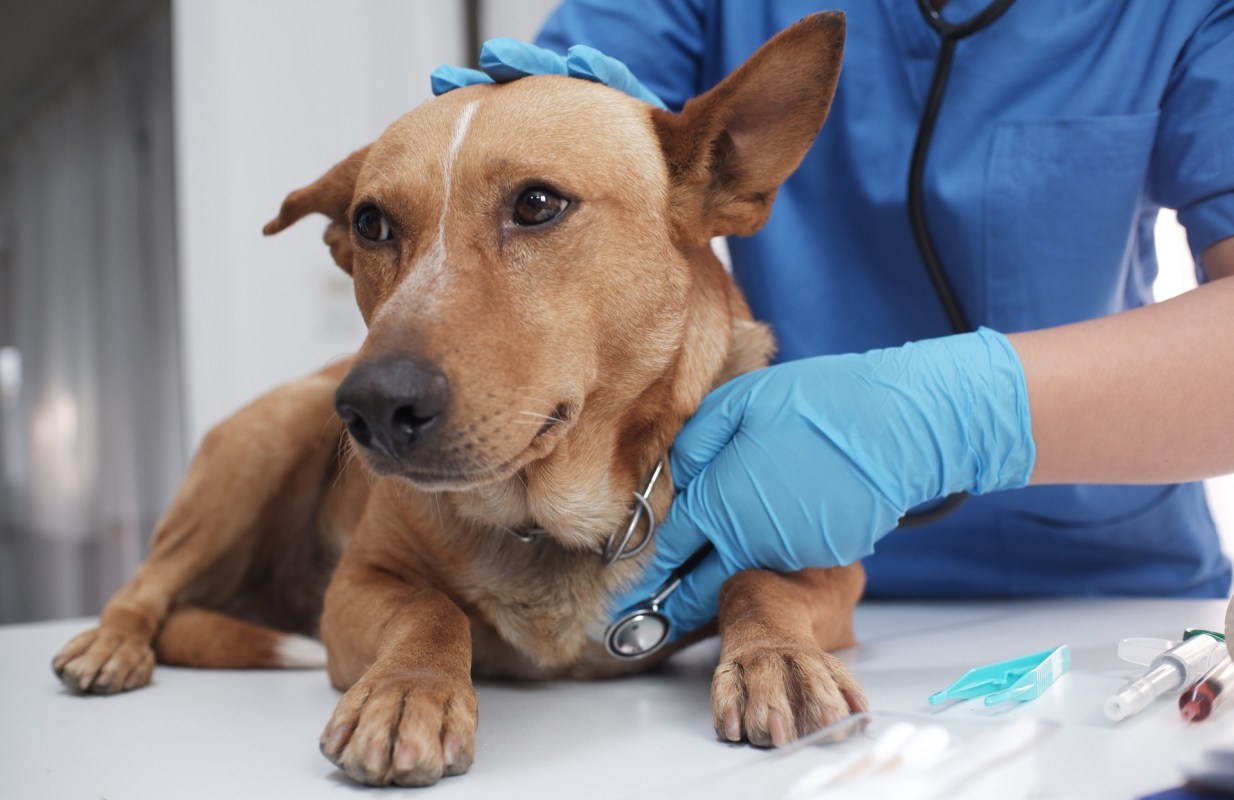
Owners should keep a pet with a suspected snakebite calm and limit its movement while taking it to a veterinary clinic, Henning advised. She stressed the need to get there quickly.
Henning also advised owners to prioritize care over identifying the snake, a task that could delay treatment.
"We're very lucky to have a polyvalent antivenom available that treats for most brown and black snake species. But otherwise it isn't necessary … the time is better spent getting to the vet clinic quickly," she explained, according to ABC News.
"The sooner they get to the clinic for treatment, the more chance we will be able to administer life-saving antivenom in time. It can be a matter of minutes."

Get TCD's free newsletters for easy tips, smart advice, and a chance to earn $5,000 toward home upgrades. To see more stories like this one, change your Google preferences here.
Cool Picks