


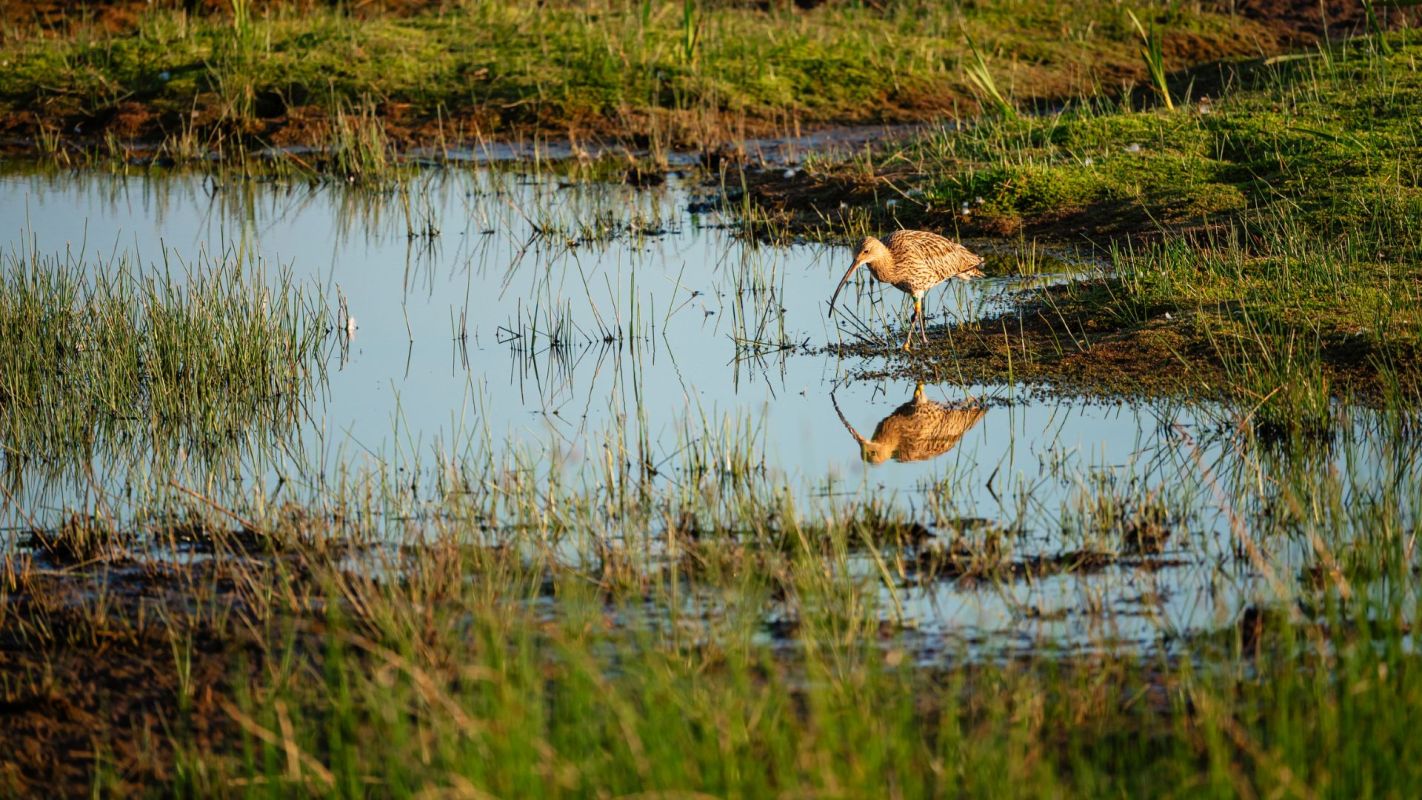
Texas landowners planning homes, drainage work, or livestock projects could face changes to federal permitting requirements as officials revisit which wetlands and streams qualify for protection.
Here's what to know
A supplemental proposal from the Environmental Protection Agency and U.S. Army Corps of Engineers aims to finalize the "waters of the United States" definition. The agencies unveiled it September 4, according to The Dallas Express.
Section 404 of the Clean Water Act requires Army Corps authorization for projects that place dredged or fill material in federally covered waters, including qualifying wetlands, according to the agency. The definition, known as WOTUS, establishes which waters fall under that federal authority.
The administration's original proposal, introduced in November 2025, received more than 220,000 responses during a public-comment period that ended January 5. The EPA and Army Corps also held three public-input meetings and consulted state, tribal, and local governments.
The supplemental proposal introduces what the agencies called a "limited number of new regulatory alternatives," The Dallas Express reported. The agencies will weigh these additions alongside the original choices, with all options still open and no outcome decided.
More background
The rewrite follows the Supreme Court's 2023 Sackett v. EPA decision, which centered on Idaho couple Michael and Chantell Sackett's plans to build a home.
TCD Picks » Quince Spotlight
💡These best-sellers from Quince deliver affordable, sustainable luxury for all




The Sacketts challenged federal restrictions that prevented construction on property that officials identified as protected wetlands. The court required an uninterrupted surface link between covered wetlands and federally regulated waters, according to The Dallas Express.
The administration's 2025 proposal focused on relatively permanent waters — whether standing or continuously flowing — and directly connected wetlands.
For Texas farmers and ranchers, the changes could affect drainage, ditches, livestock operations, and construction. The Texas Farm Bureau supported key provisions, noting that changing definitions have complicated permit decisions and legal advice.
Environmental organizations, however, warned that a narrower federal scope could leave wetlands that reduce floods, clean water, and shelter wildlife unprotected.
Jon Devine of the Natural Resources Defense Council told The Associated Press that the proposal could "virtually eliminate protection for freshwater wetlands," according to The Dallas Express.
What's being done?
The supplemental language was still awaiting publication in the Federal Register at the time of the September 4 announcement. Publication will open a 30-day window for responses.
Meanwhile, Texas remains under an earlier framework. The Army Corps' Galveston District confirmed that jurisdiction there follows a pre-2015 definition interpreted under Sackett and other applicable court decisions.
Because of litigation, Texas and 25 other states use that framework, according to The Dallas Express. In contrast, 24 states, along with Washington, D.C., and U.S. territories, follow the amended 2023 rule. A final nationwide rule could replace these differing requirements.
The original proposal also sought an explicit groundwater exclusion and clearer exemptions for waste-treatment systems, certain ditches, and previously converted cropland, according to the Federal Register.
Waters outside federal jurisdiction may remain subject to state, tribal, or local laws.
"Clean water is a top priority for farmers and ranchers," American Farm Bureau Federation president Zippy Duvall said after the original proposal was introduced, according to The Dallas Express. "We depend on it."

Get TCD's free newsletters for easy tips, smart advice, and a chance to earn $5,000 toward home upgrades. To see more stories like this one, change your Google preferences here.






