


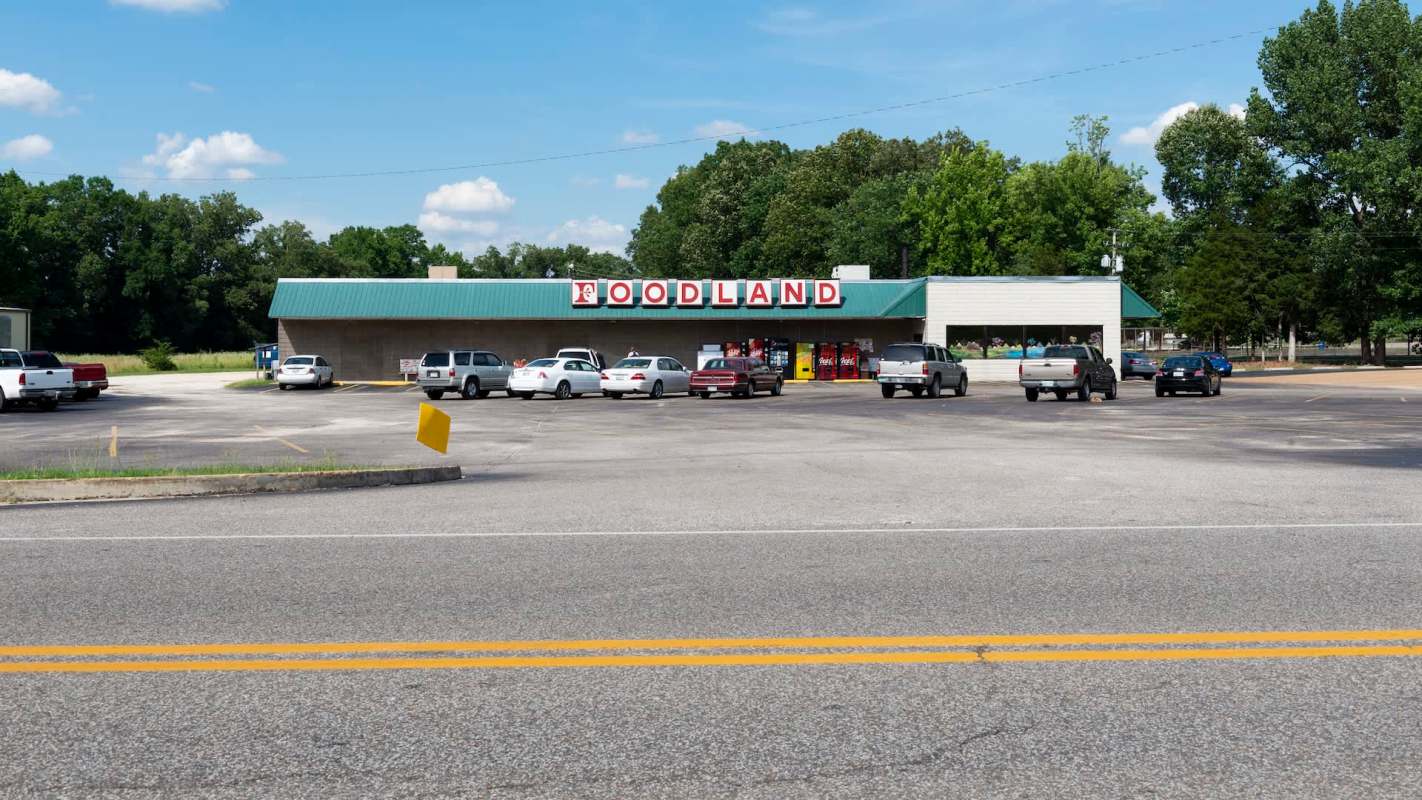
In Massachusetts' Franklin County, half of the population faces food insecurity as long distances and limited transportation make grocery trips a difficulty.
Here's what to know
Franklin County has roughly 101 residents per square mile, and everyday errands can be difficult for households without a vehicle — about 6% of the county's total, Megan Rhodes, livability program manager at the Franklin Regional Council of Governments, told the New England News Collaborative.
"All of our grocery stores are pretty centralized in Greenfield, and so if you don't live within Greenfield, you really have to think about how you're going to do all of your basic day-to-day things, including getting groceries," Rhodes said.
Public outreach conducted with the Franklin Regional Transit Authority found that better grocery access was residents' most frequent request, with calls for fewer transfers and more frequent service. Access to medical care ranked second.
The feedback followed the introduction of weekend bus service. Planners are working with the transit authority to determine how routes and schedules can better serve residents.
More background
Trips for care often stretch 25 miles or more for rural residents. A MassInc Polling Group survey cited by the NENC interview found that transportation gaps forced 55% of residents in rural Western Massachusetts to move medical appointments and 30% to skip them.
TCD Picks » Quince Spotlight
💡These best-sellers from Quince deliver affordable, sustainable luxury for all




Rhodes' agency examined different modes of transportation and used public outreach to identify gaps. Potential improvements range from funding additional buses to making sidewalks safer so people can cross roads.
"One of the biggest issues is crossing borders between regional transit authorities right now," Rhodes told the NENC. "Regional transit authorities aren't funded for any miles that are driven across the border. And funding restrictions can really limit the flexibility of our drivers and the buses to get to places where they need to go, including grocery stores, and to different various shopping experiences. So the artificial borders of the regions place a barrier on how easily people actually get around."
Rhodes highlighted the need for more flexible funding. While transit authorities receive both federal and state support, she said changing those restrictions would primarily require state action.
What's being done?
Rhodes said outreach at food pantries found that residents depend on friends and relatives for rides or grocery deliveries. Neighbor associations also help older residents with shopping, pharmacy trips, and small home repairs, providing another way to meet everyday needs.
According to the NENC, Valley Neighbors serves Sunderland, Whately, and Deerfield, while Village Neighbors covers Leverett, Shutesbury, Wendell, and New Salem. Northfield residents can join Neighbors at Home.
Eligible older adults living outside village networks can explore grocery assistance through LifePath's Home Care program.
Meanwhile, the Center for Self Reliance delivers free groceries and produce to homes in Buckland, Shelburne, Millers Falls, Turners Falls, Montague, and Greenfield, according to the NENC.
Monthly mobile food banks operated by the Food Bank of Western Massachusetts in Greenfield and Turners Falls have no eligibility requirements. Its Food Finder also helps residents locate resources.

Get TCD's free newsletters for easy tips, smart advice, and a chance to earn $5,000 toward home upgrades. To see more stories like this one, change your Google preferences here.







