


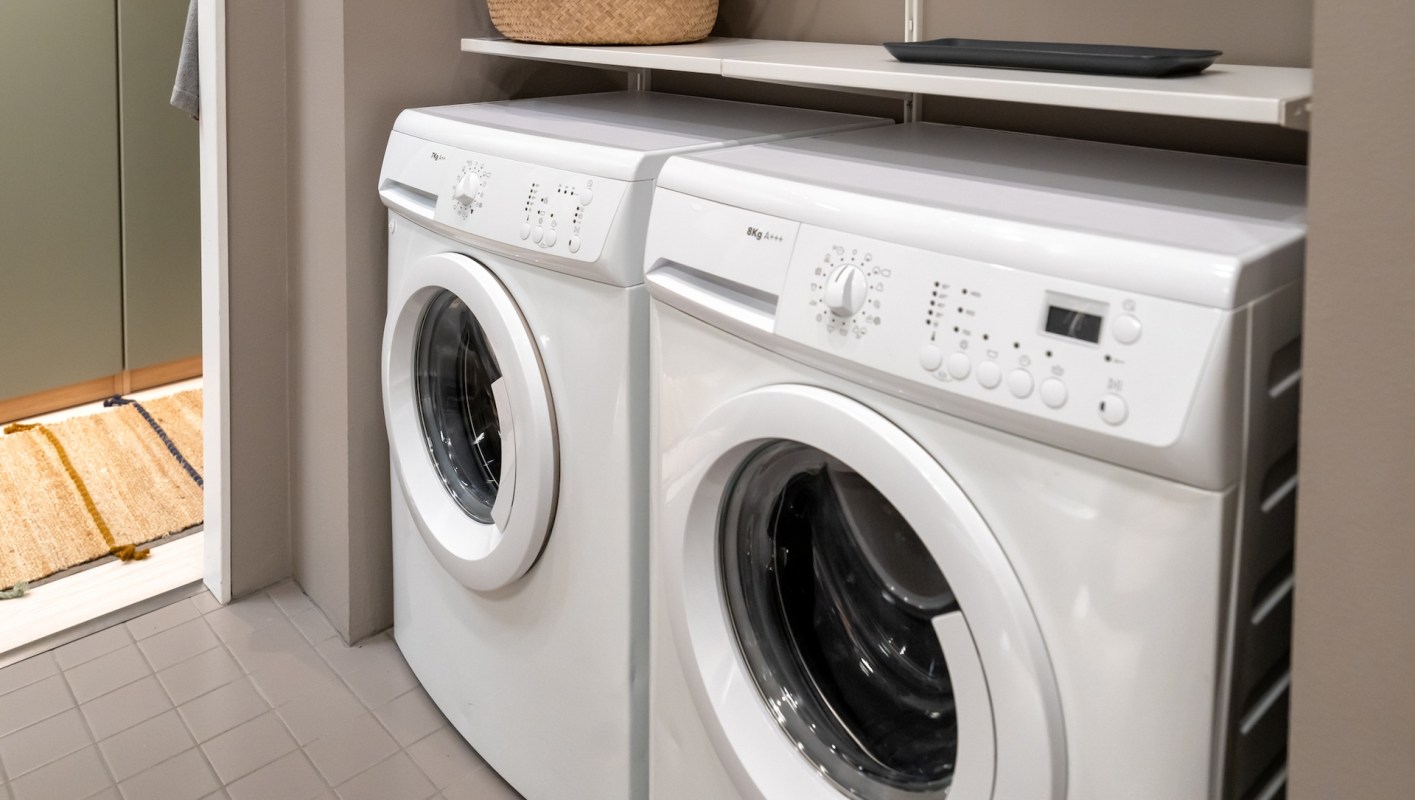
ENERGY STAR has estimated that certified heat pump dryers use around 70% less energy than their conventional counterparts.
An initial higher purchase price is a trade-off for households looking to reduce an often underestimated laundry expense, Backyard Garden Lover reported (via Yahoo Shopping).
Here's what to know
Heat pump dryers reduce energy use by removing moisture and reusing heat inside the drum, while conventional models pass heated air through wet clothes before releasing the moisture-laden air outdoors.
Local electricity prices and dryer use determine how much a household can save. Households running several loads a week may see the greatest benefit.
According to Backyard Garden Lover, heat pump dryers' cooler operating temperatures can extend drying times, a trade-off alongside their higher purchase price. Other efficient dryers offer a simpler way to cut unnecessary electricity use.
Moisture sensors stop the machine once clothes are dry, keeping it from tumbling already-dry laundry until a timer runs out.
TCD Picks » Quince Spotlight
💡These best-sellers from Quince deliver affordable, sustainable luxury for all




More background
Per Backyard Garden Lover, the Natural Resources Defense Council estimated in 2014 that outdated dryer technology wasted as much as $4 billion of the roughly $9 billion Americans spent running dryers annually.
The NRDC found that some dryers matched the electricity consumption of a refrigerator, washer, and dishwasher combined, estimating that improved technology could lower dryer operating costs by about 40%.
The Department of Energy's 2024 standards were expected to lower dryer energy use by 11% relative to models on the market during the rule's development. The agency forecast consumer savings totaling billions of dollars across decades of subsequent dryer purchases.
What can be done?
For households considering a replacement, comparing ENERGY STAR models and their estimated annual energy use can help clarify the potential savings. ENERGY STAR has recommended weighing efficiency alongside features, including moisture sensors and a drum size appropriate for the household.
Backyard Garden Lover recommended a faster final washer spin to extract additional water, reducing how much moisture the dryer is tasked with removing. Lower drying temperatures and automatic moisture detection can reduce electricity consumption.
Leaving room in the drum allows clothes to tumble and dry evenly, while sorting loads by fabric type prevents lightweight items from continuing to tumble alongside heavy towels.
Cleaning lint from the filter helps maintain airflow. For vented dryers, keeping the exhaust vent clear of debris also helps the appliance work properly while reducing fire hazards.
According to the Department of Energy's rulemaking page, manufacturers and importers must comply with the tougher efficiency standards beginning March 1, 2028. Those requirements don't cover dryers that households already own.

Get TCD's free newsletters for easy tips, smart advice, and a chance to earn $5,000 toward home upgrades. To see more stories like this one, change your Google preferences here.






