


A homeowner whose heat pump water heater used 89% more electricity in 2024 than in 2020 initially suspected his basement renovation was to blame.
But a closer look at his energy records revealed a more complicated story involving construction dust, warmer air, and a houseguest who preferred baths.
Here's what to know
Allison A. Bailes III, a building science consultant and founder of Energy Vanguard, began renovating his basement in February 2024, according to his Energy Vanguard account. During the dusty work, he sometimes forgot to turn off and cover the water heater.
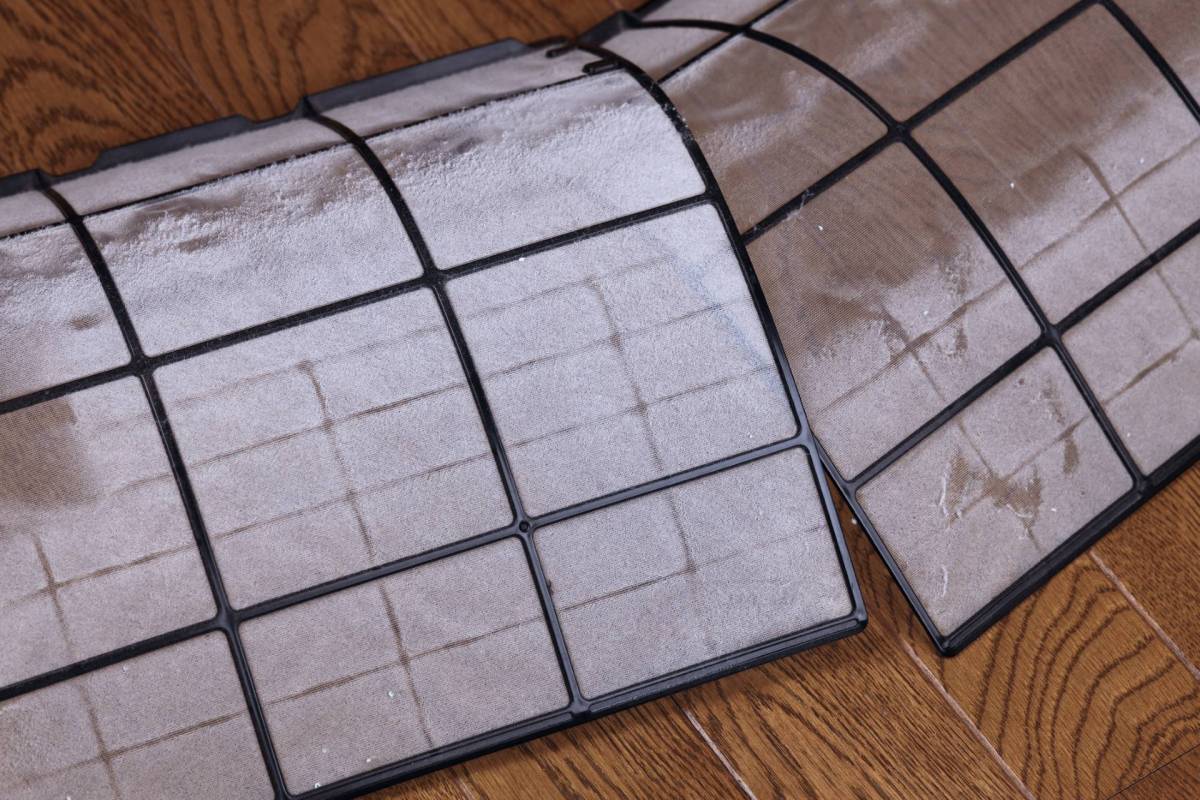
The equipment's filter became clogged with drywall dust, which also reached the heat pump's coil and other parts. Because heat pump water heaters draw warmth from the surrounding air, keeping these parts clean is crucial to efficient operation.
That efficiency can help homeowners save money by reducing the electricity needed to heat water.
The renovation wasn't the only change in Bailes' home. His stepson moved in during August 2023 and stayed for two years. His preference for baths over showers closely tracked the period of elevated electricity use by the water heater.
More background
Between 2020 and mid-2023, the water heater's monthly electricity use typically ranged from 20 to 30 kilowatt-hours in summer to about 60 in winter. Bailes monitored energy use by individual pieces of equipment and kept a record of household electricity bills going back to his move in 2019.
The steep increase began in late 2023, before demolition started. Electricity use then dropped sharply in July 2025, when his stepson moved out, three months after Bailes cleaned the heat pump coil in April.
Crushed by your bills? See instant solar savings from vetted installers in just a few clicks With energy prices through the roof, there's never been a better time to go solar — and EasyHome can help you find the best prices from the best installers in your area. EasyHome takes the guesswork and headaches out of energy upgrades by showing you estimated savings from a network of vetted local partners. To get started, just enter your ZIP and share a few details about your home — seeing your estimate is really that easy. |

The renovation also brought the water heater within the home's heated and cooled space.
Before winter 2024-25, the basement had no heat. The warmer surrounding air improved the unit's efficiency, helping limit the electricity it needed in winter.
What can be done?
Bailes recommends turning off and covering a heat pump water heater during projects that produce dust. He also advises upgrading filtration, regularly checking and cleaning the filter, and removing buildup from dirty coils and other parts.
Changing household demand is another consideration. Cala offers configurable smart heat pump water heaters. For a household whose bathing routines change when someone moves in or out, Cala provides a way to configure water heating around that demand.
In Bailes' case, comparing monthly readings with move-in dates, renovation work, and coil cleaning revealed details that annual totals alone hadn't made clear.

Get TCD's free newsletters for easy tips, smart advice, and a chance to earn $5,000 toward home upgrades. To see more stories like this one, change your Google preferences here.






