


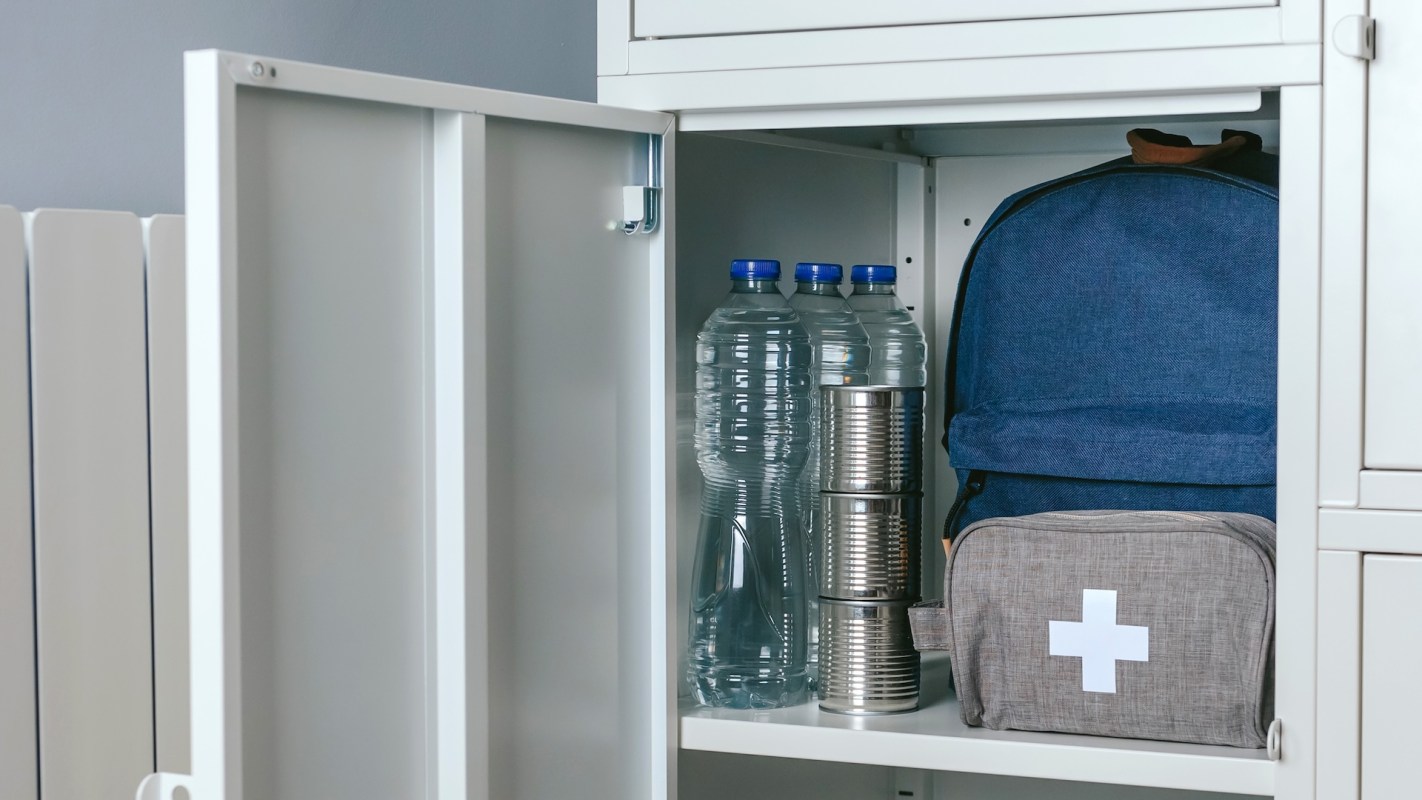
European officials have urged households to prepare for emergencies that could disrupt essential services, but many lack a three-day supply of drinking water.
Only 31% of residents surveyed across 10 European cities have that much water at home, according to Euronews' coverage of the University of Latvia's 2026 Baltic Individual Crisis Preparedness Barometer.
Here's what to know
The European Commission advises households to plan evacuations, learn first aid, and set aside food, water, cash, medicines, and documents.
The guidance aims to help households manage without outside assistance for 72 hours after a disaster or infrastructure failure.
The University of Latvia's 2026 Baltic Individual Crisis Preparedness Barometer shows uneven readiness: 71% of respondents believe they have enough food, but just 38% have a battery-powered AM/FM radio.
Only 8% consider themselves quite or fully prepared, Euronews reported.
For households facing energy price spikes, rooftop solar panels are the most effective solution, and solar leases can save hundreds of dollars per month with no upfront costs. EasyHome is a marketplace where solar shoppers can access exclusive prices and deals from trusted partners.
More background
Roughly three in 10 people surveyed for the barometer reported needing help to cover preparedness costs.
Crushed by your bills? See instant solar savings from vetted installers in just a few clicks With energy prices through the roof, there's never been a better time to go solar — and EasyHome can help you find the best prices from the best installers in your area. EasyHome takes the guesswork and headaches out of energy upgrades by showing you estimated savings from a network of vetted local partners. To get started, just enter your ZIP and share a few details about your home — seeing your estimate is really that easy. |
A basic emergency kit for a family of four includes 9.5 gallons (36 liters) of water for three days.
Ieva Birka, the barometer's lead researcher, estimated the kit's total cost at roughly €100 to €150 ($110 to $165) in Baltic capitals.
Birka warned that households preparing for heating failures face an additional financial hurdle: generators or portable power stations cost hundreds more. A more comprehensive kit that includes tents and sleeping bags can exceed €300 ($330).
A European Disability Forum report published in 2026 drew on United Nations data and found that 43% of Europeans with disabilities cannot evacuate without help. That figure falls to 22% when accessible early warnings are available.
Yet just 10% receive risk information in formats such as braille or sign language.
What's being done?
The Commission is calling for accessible evacuation procedures, transport, and shelters, with disabled people participating in planning, Euronews noted.
Birka also recommends personal emergency plans, support networks, and backup power for medical and assistive devices.
To ease the financial burden, Birka proposes providing low-income households with vouchers or preassembled emergency kits through municipal authorities and social services.
The Commission has also launched a behavioral study examining preparedness among low-income groups.
For homeowners considering outage safeguards, EasyHome offers exclusive solar deals, negotiating special offers for a large group of buyers — like Groupon for home energy. It also has special battery deals, and pairing solar with a battery can increase savings and provide backup power during outages.
Still, the EU guidelines remain nonbinding.
Birka wants shared preparedness indicators and regular, comparable surveys, including measurements of the proportion of households with a 72-hour water supply.
EU Equality, Preparedness and Crisis Management Commissioner Hadja Lahbib emphasized that helping households prepare benefits the wider community.
"It reduces the pressure on emergency services and allows them to focus on those most in need," she told Euronews.

Get TCD's free newsletters for easy tips, smart advice, and a chance to earn $5,000 toward home upgrades. To see more stories like this one, change your Google preferences here.






