


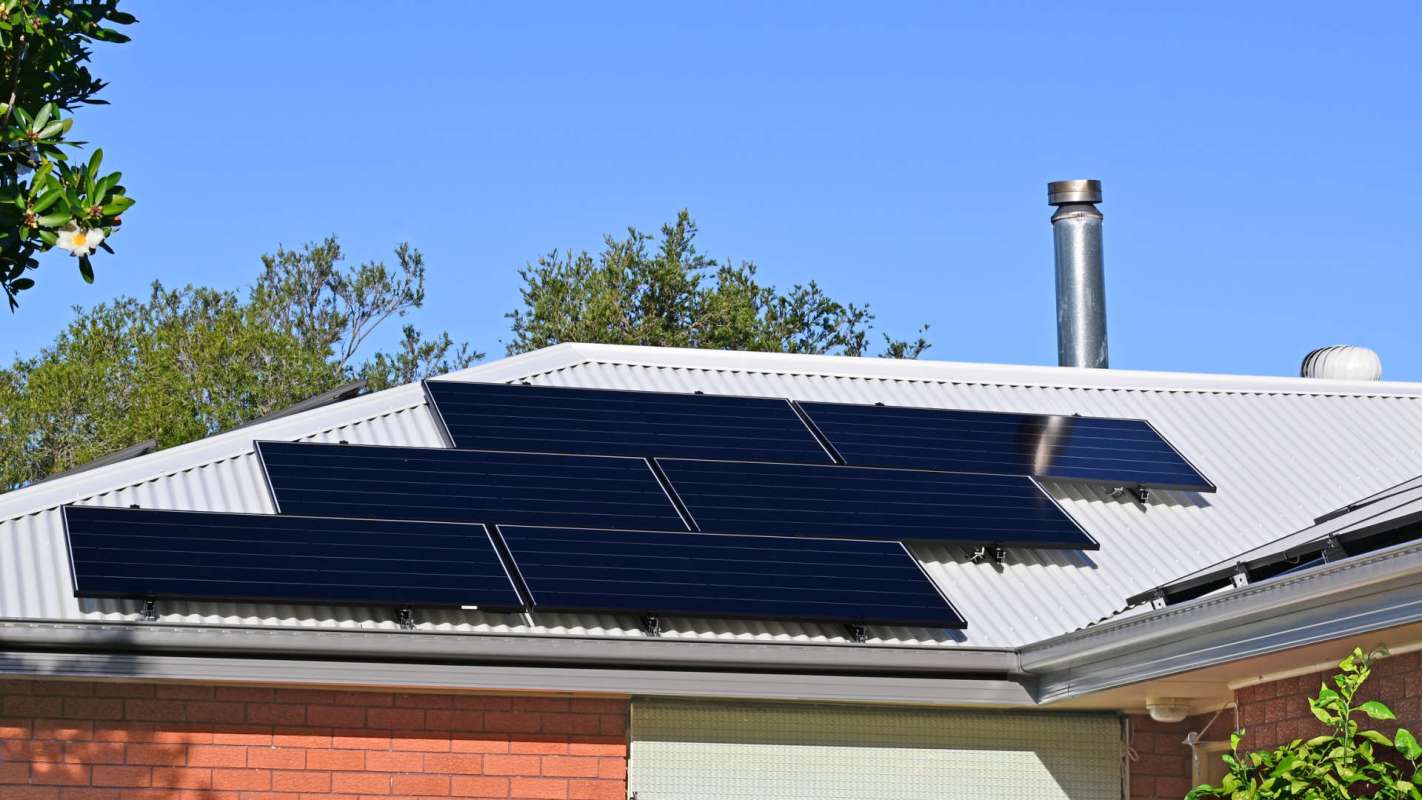
Even while racking up 600 kilometers (373 miles) per week on their electric vehicle, an Australian couple has been spending just A$10 (US$6.62) a week on electricity for their home and EV, thanks to rooftop solar and battery storage.
Here's what to know
The experience of retiree Tad Hendry and his wife featured alongside two other Cape Paterson households in a new video series titled "Great Energy," which was produced by the lifestyle storytellers known as The New Joneses, according to the South Gippsland Sentinel-Times.
Rooftop solar panels and a home battery supply electricity to the couple's EV and their all-electric home, which uses passive solar design. Charging the car this way means they no longer buy gasoline.
The Sentinel-Times reported that Hendry puts their yearly savings on electricity and fuel at up to A$5,000 (US$3,300). According to the couple, these savings have not required any major lifestyle changes, with the homeowners describing their home as both healthy and exceptionally comfortable.
"Everyone deserves a home that works for them, not against them," Hendry said.
Solar on a teacher's salary
Another featured resident, Amanda McMahon, built a smaller, energy-efficient home while raising two children on a teacher's salary. After the energy upgrades, her annual power bill came to about A$200 (US$130) — so low that she initially thought something was wrong.
TCD Picks » Quince Spotlight
💡These best-sellers from Quince deliver affordable, sustainable luxury for all




McMahon's home faced north to capture natural light, while surrounding trees helped keep it cool. High ceilings also made the smaller space feel roomy.
"It's comfortable all year and so cheap to run," McMahon said, per the Sentinel-Times.
Local builder Troy Harris noted that these features reflect a shift in what homeowners expect from new construction, commenting, "Most of the houses have solar now. It used to be an optional extra. Now it's normal."
What can be done?
The third featured homeowner, Michelle Isles, used design to reduce her household's energy needs. Thanks to high-grade insulation, double-glazed windows, and a north-facing orientation, Isles could keep the home comfortable without mechanical heating and cooling.
Isles estimated she saves around A$4,500 (US$2,980) a year on gasoline, which helps cover school excursions. Her setup also included a solar-and-battery system, strategically placed blinds, and efficient heat pumps.
For homeowners exploring rooftop solar, EasyHome can help curate competitive bids from local installers, making it easy to compare options.
While also being highly energy-efficient, Isles's choice of induction cooking reflected her concern about exposing her children to indoor gas pollution.
"Induction is fast, safe, easy to clean and has no naked flame for little fingers to reach," she said.

Get TCD's free newsletters for easy tips, smart advice, and a chance to earn $5,000 toward home upgrades. To see more stories like this one, change your Google preferences here.






