


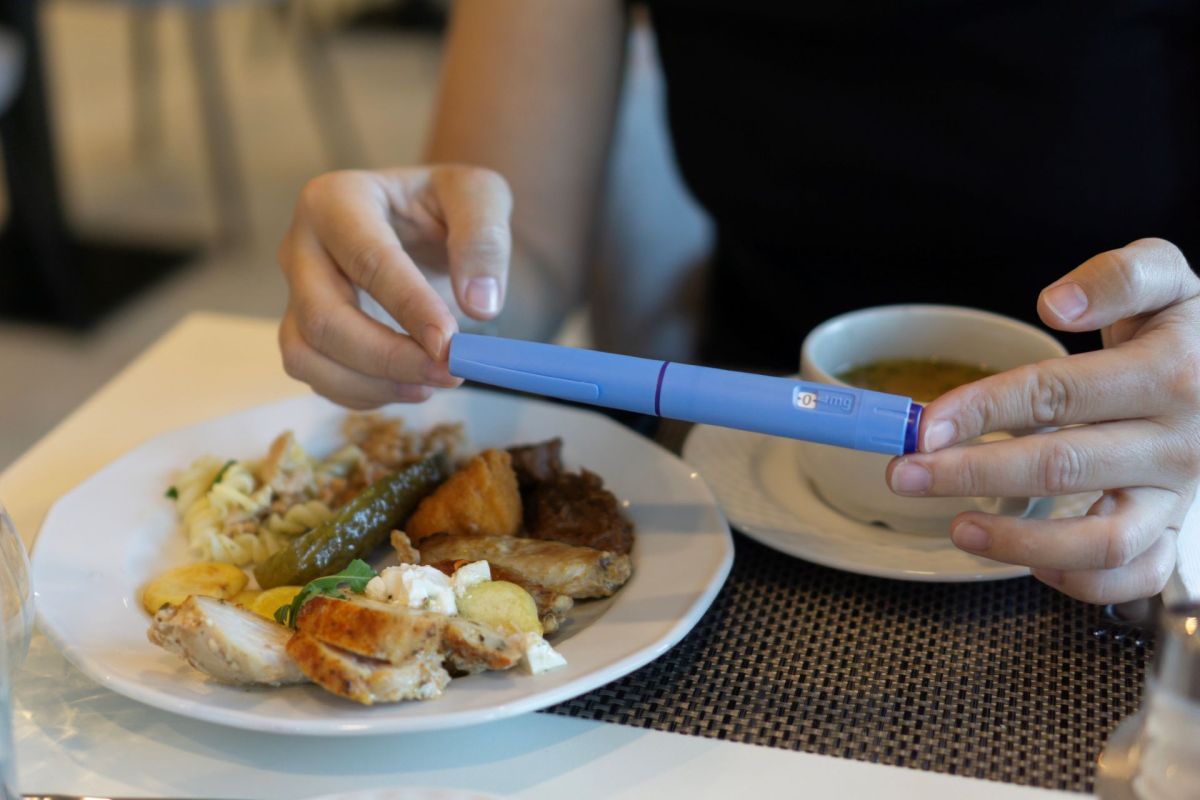
Federal regulators have raised concerns about misleading claims on websites selling compounded weight-loss drugs that may offer patients a less expensive option.
Patients buying prescriptions through telehealth companies may be confused by marketing that calls compounded drugs FDA-approved or equates them with brands such as Wegovy or Zepbound.
Here's what to know
The Food and Drug Administration announced 30 warning letters in March and another 25 on June 16, according to Medical Daily. A Mondaq legal analysis said the June letters targeted sites offering compounded semaglutide and tirzepatide, with one instance involving liraglutide.
The FDA doesn't grant pharmacies "FDA-approved" or "FDA-licensed" status, but some websites described pharmacies that way. The agency also objected to labels implying that telehealth companies made the drugs. Other claims suggested the products had FDA approval or had undergone an agency assessment of safety and effectiveness.
A Foley & Lardner review found that the March letters also flagged the phrase "generic Zepbound," per Medical Daily.
Generics must undergo FDA review for approval. Compounded drugs are custom-made by pharmacies and reach the market without an FDA assessment of safety, effectiveness, or quality.
TCD Picks » Quince Spotlight
💡These best-sellers from Quince deliver affordable, sustainable luxury for all




The FDA gave recipients of the warning letters 15 business days to submit written responses, according to Medical Daily.
More background
Monthly costs for compounded GLP-1s are often several hundred dollars, while brand-name drugs have list prices above $1,000.
A CDC study put compounded-drug use at no less than 23% among approximately 27 million American adults using GLP-1s, Healthcare Dive reported.
Reports submitted to the FDA describe dosing mistakes with injectable compounded semaglutide, including incorrect measurements by patients at home, according to Medical Daily. Some of these cases required hospital care.
For people managing diabetes, these mistakes can have particularly serious consequences.
Ivim Health's chief medical officer, Jessica Duncan, said losing compounded options would lead over 85% of its patients to consider online sellers operating without provider oversight.
Sesame, meanwhile, discontinued sales of compounded GLP-1s once the shortage was over.
What can be done?
Before buying or refilling a prescription, patients can ask their prescriber which pharmacy made the drug, whether it holds a license in their state, and whether the medicine has FDA approval, according to Medical Daily.
The FDA's BeSafeRx program also offers guidance on safely purchasing medicines over the internet.
Descriptions such as "generic," "FDA-approved," or "the same as" warrant further questions. So do sellers offering to ship medications without prescriptions.
People already taking compounded GLP-1s should work with their prescribers on any medication changes instead of discontinuing treatment, particularly when taking it for blood sugar management, according to Medical Daily.
Outside its scrutiny of advertising, the FDA has proposed permanently barring semaglutide, tirzepatide, and liraglutide from the bulk-ingredient list available to large outsourcing facilities. If finalized, the proposal would halt large-scale compounding.
"We are paying close attention to misleading claims being made by telehealth and pharma companies," FDA Commissioner Dr. Marty Makary said in the agency's announcement of the March letters.

Get TCD's free newsletters for easy tips, smart advice, and a chance to earn $5,000 toward home upgrades. To see more stories like this one, change your Google preferences here.






