


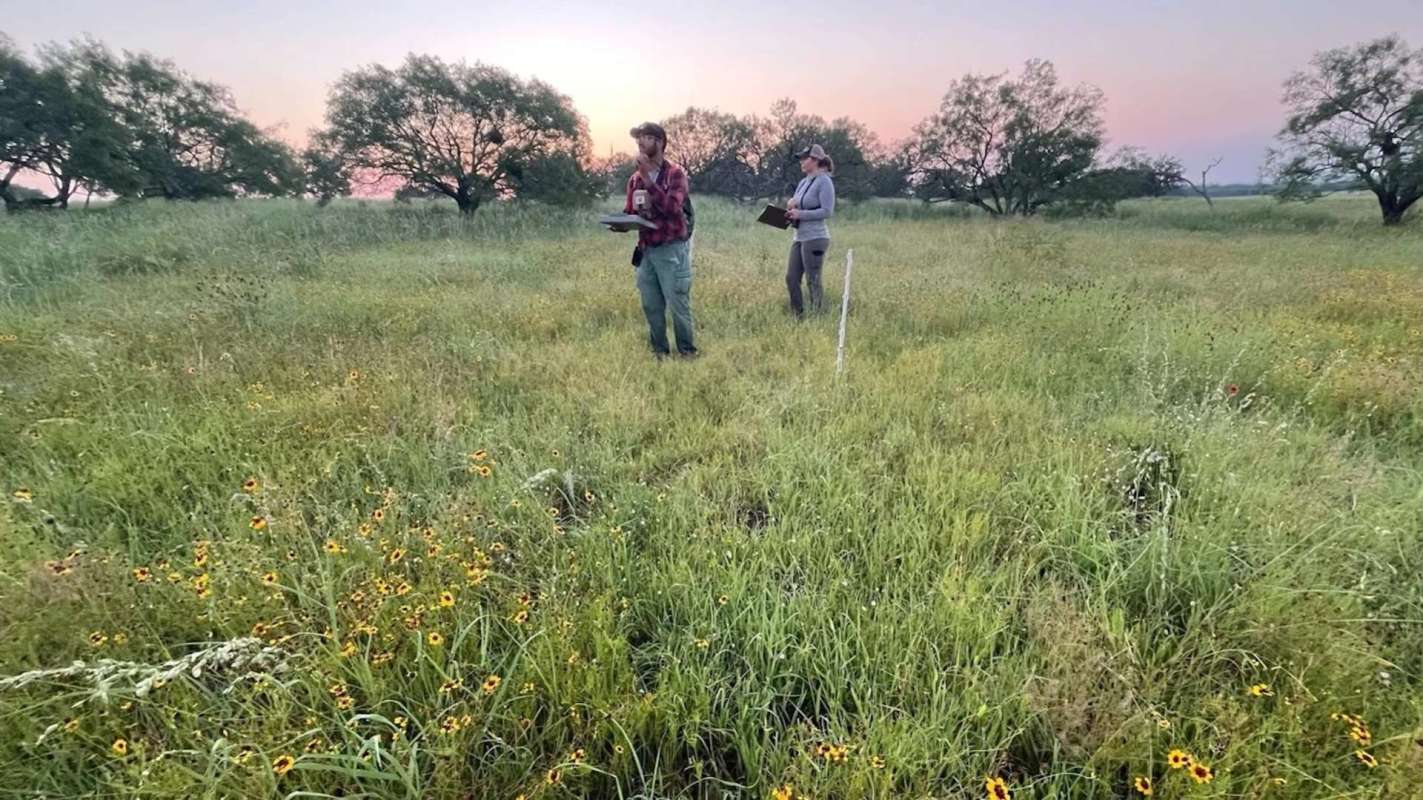
Less than 1% of Texas' Blackland Prairie remains intact. Now, a small ranch in that ecosystem has received bird-friendly certification.
Enrollment could help the ranch recover from damage caused by more than a century of row-crop farming and continuous grazing.
Here's what to know
Audubon Conservation Ranching certifies working lands managed to support birds. According to Audubon Texas, October audits by Food Alliance covered four ranches — including the Blackland Prairie property — and expanded the program by over 5,300 acres across four ecoregions.
The three landowners overseeing the newly certified properties bring their experience and knowledge to Audubon's conservation network. Their land also offers opportunities to improve habitat for resident and migrating birds.
The National Cattlemen's Beef Association's 2026 Environmental Stewardship Award Program recognized one participant as a regional winner. That landowner owns two of the ranches, one in the Gulf Coast prairie and one in the South Texas plains.
Alongside the Blackland Prairie ranch, the additions include the city-owned Fort Worth Nature Center and Refuge.
TCD Picks » Quince Spotlight
💡These best-sellers from Quince deliver affordable, sustainable luxury for all




More background
Students seeking volunteer roles or jobs with Audubon stopped at its table alongside established supporters and first-time visitors, according to Audubon Texas. The organization was taking part in the Society for Range Management's annual Texas Section gathering in Abilene.
A recipient of the Outstanding Land Stewardship Award was among several landowners who expressed interest in joining. Many students were learning how to bring wildlife conservation into range management.
Sarah Galvan and Chantalle Vincent, Audubon's range ecologists in Texas, connected with landowners and government and nonprofit conservation professionals, Audubon Texas reported. Those exchanges took place at the Abilene gathering and meetings in Fredericksburg and Ennis.
Participants shared knowledge about certification and bird-focused rangeland management.
What's being done?
Before finalizing certification, Audubon holds initial conversations, visits the ranch, and develops a habitat management plan.
Managers at Fort Worth Nature Center and Refuge are moving toward regenerative grazing by rotating a smaller bison herd among several pastures and giving the animals more space. Audubon Texas reported that the park has kept bison since the 1970s.
Managers plan to expand the pasture network so that bison grazing can provide further benefits.
The city park makes the program visible beyond private ranches, giving visitors a chance to see it while hiking, fishing, kayaking, or watching bison.
A South Texas seed stock supplier and quail biologist is working with Galvan to enroll his family's property, according to Audubon Texas.
The family's regional record is a quail nest with 26 eggs — the largest found in the area.

Get TCD's free newsletters for easy tips, smart advice, and a chance to earn $5,000 toward home upgrades. To see more stories like this one, change your Google preferences here.







