


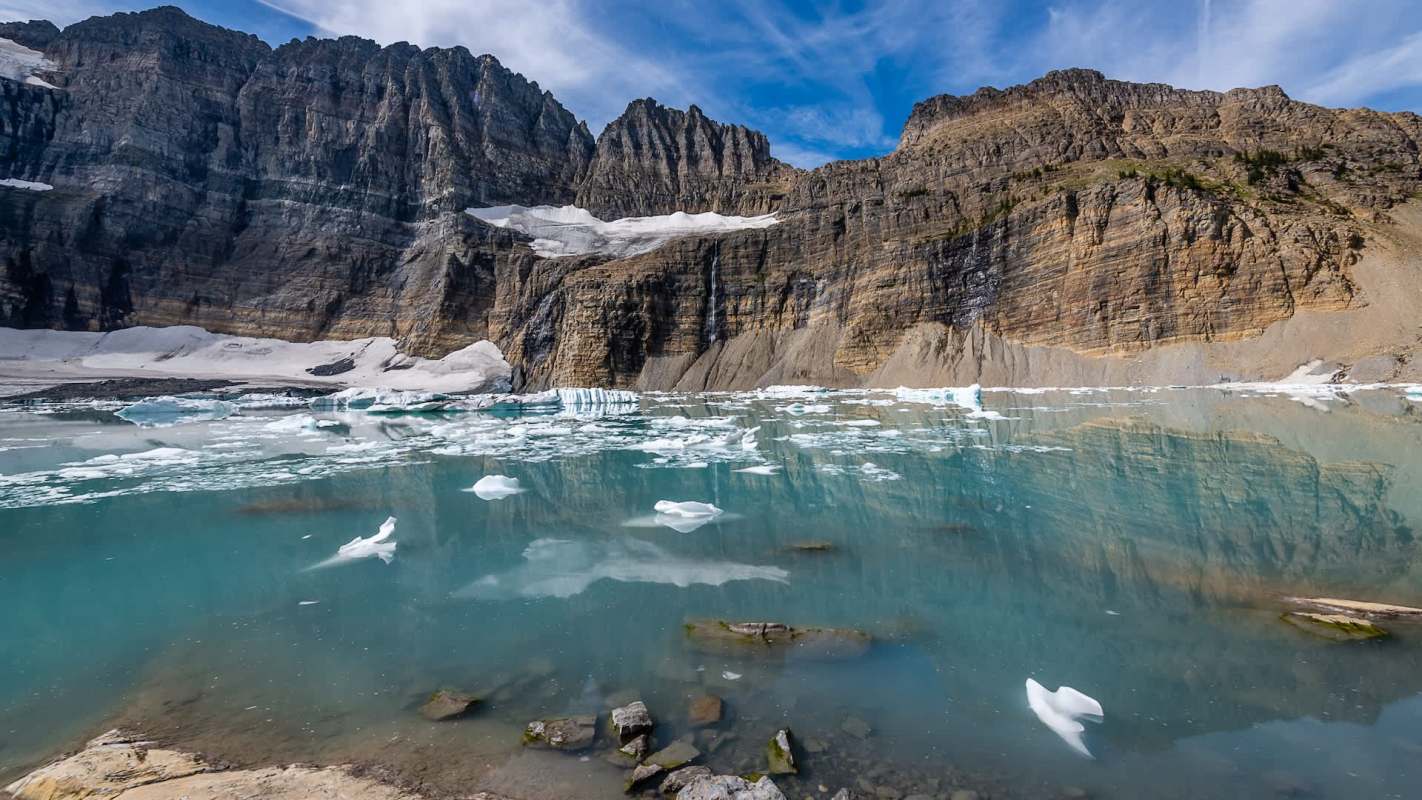
Glaciers across six Western states have lost about a third of their ice volume and surface coverage, threatening a natural source of cold water that helps mountain ecosystems endure the hottest, driest months.
Here's what to know
More than 25% of the glaciers documented in earlier surveys have disappeared amid warming conditions, according to KUNR. The research, published in the Proceedings of the National Academy of Sciences, put the number lost at almost 400.
Portland State University glaciologist Andrew Fountain led the study of six states: California, Colorado, Montana, Oregon, Washington, and Wyoming. His team cataloged more than 1,300 glaciers.
KUNR reported substantial regional differences in glacier loss: about 64% in California's Sierra Nevada, 48% in Wyoming's Wind River Range, and 62% in Montana's Absaroka Range and Beartooth Mountains.
Washington's Mount Rainier alone holds more glacier ice and has more glacier-covered land than the other five states combined, Fountain noted. Most of the glaciers in the study are small.
More background
Streams receive cold water from these ice masses during hot, dry weather, making glaciers a form of natural water storage.
TCD Picks » Quince Spotlight
💡These best-sellers from Quince deliver affordable, sustainable luxury for all




High-elevation ecosystems and cold-water species benefit from glacier meltwater that continues reaching waterways after the seasonal snowpack has melted away for the year.
"As these glaciers shrink, their ability to produce this water and to mitigate against droughts are also reduced," Fountain said.
KUNR reported that alpine watersheds could face warmer water and greater drought vulnerability as rising temperatures drive further ice loss.
What's being done?
Fountain's team used aerial photographs and satellite images from around 2015 to assess how much glaciers had changed from historical records spanning the 1950s through the 1980s, KUNR reported.
High, steep rock faces in the Rocky Mountains can protect glaciers from direct sunlight even as temperatures rise. The researchers identified this shade as one condition that helps some ice persist.
Wind and avalanches can bring additional snow into those sheltered locations.
"This is a tangible indicator of climate warming, and this is only the tip of the iceberg, so to speak, of a lot of changes that we'll be experiencing in the future," Fountain said.

Get TCD's free newsletters for easy tips, smart advice, and a chance to earn $5,000 toward home upgrades. To see more stories like this one, change your Google preferences here.






