


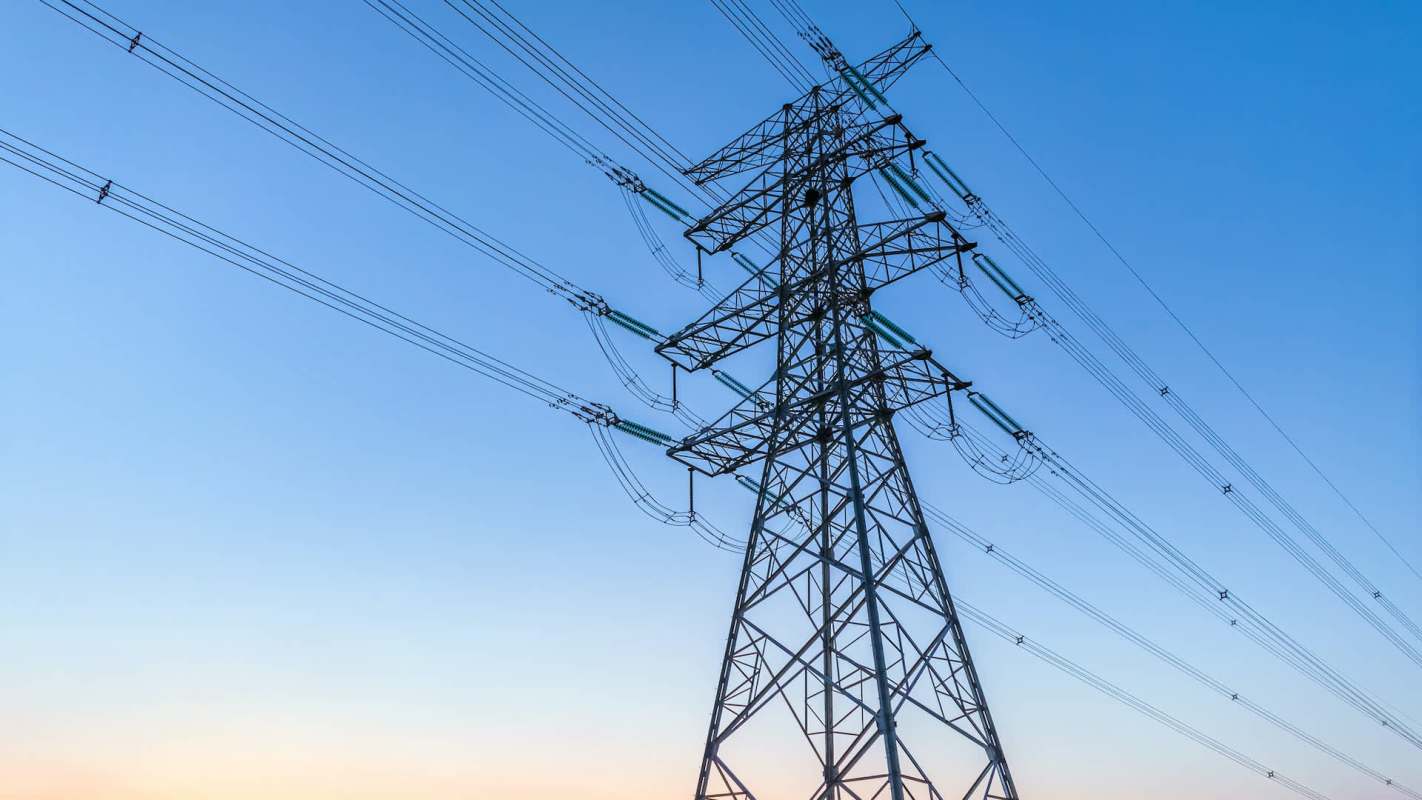
Opening Texas power-line projects to competitive bidding could cut ratepayer costs by up to $22 billion.
The proposal comes as communities face the prospect of towering transmission lines and questions about who will pay for them.
Here's what to know
The proposed buildout would move electricity toward the Permian Basin over about 1,255 miles of transmission lines. Texas utilities estimate the cost at $33 billion, according to KPRC's ENOUGH investigation.
Lawmakers set the effort in motion in 2023 by directing Texas grid operator ERCOT to prepare an expansion plan.
Utilities generally handle projects within their service areas, then request approval to recover the expense. KPRC reported that Barry Smitherman, a former chairman of Texas' Public Utility Commission, favors letting qualified utilities and private firms bid for that work.
"Competition is good," Smitherman told ENOUGH reporter Amy Davis. "But this is the one area where we don't have competition."
TCD Picks » Quince Spotlight
💡These best-sellers from Quince deliver affordable, sustainable luxury for all




Smitherman's proposal pairs bidding with cost caps to protect customers from construction overruns. The study he cited put potential annual savings at up to $640 per customer.
More background
CenterPoint Energy wants to build 155 miles between Wharton and Nueces counties as part of the Eastern Backbone, KPRC reported. Utilities proposed an additional 1,100-mile high-voltage network in 2025.
Residents along potential routes have raised concerns about the planned 765-kilovolt system, which would use towers reaching 200 feet tall.
CenterPoint has already bought former cropland near resident Michaela O'Gorman's property in Danevang, where proposed lines could pass just outside her land. Danish immigrants founded the community in 1894.
Amazon told ENOUGH that its Boling development will connect to existing 345-kilovolt infrastructure. KPRC reported that the company is building 13 data centers there, roughly 21 miles from O'Gorman's home, with each expected to use about 60 megawatts.
Households face infrastructure costs through the delivery portion of their electric bills, which utilities generally use to recoup approved spending.
A business's direct connection costs are distinct from how to divide the expense of broader transmission upgrades.
What's being done?
Smitherman founded Texans for Affordable Transmission to press for a legislative bidding requirement, KPRC reported. He also wants construction paused while legislators consider competition and protections against rising costs.
CenterPoint responded to ENOUGH's question about supporting competition by saying the projects would be "built by Texans for Texas."
Households remain uncertain about what they may owe while methods for calculating transmission costs await full development and implementation. A 2023 law sought to make the entities responsible for those costs pay their share.
Texas Lt. Gov. Dan Patrick said he intends to pursue clearer payment rules for data centers and other large users, along with notice and appeal protections for property owners.
CenterPoint described its Houston-area projects as an effort to improve reliability and resiliency, KPRC reported. The company said it is seeking community feedback while planning remains in the early stages.
Texas Consumer Association president Sandra Haverlah called for allocating those costs fairly to protect residents.
"It's not that we don't need the lines, but the problem is there's a causation for that," she told ENOUGH. "If you're building them for those companies, the residents shouldn't have to pay for them."

Get TCD's free newsletters for easy tips, smart advice, and a chance to earn $5,000 toward home upgrades. To see more stories like this one, change your Google preferences here.






