


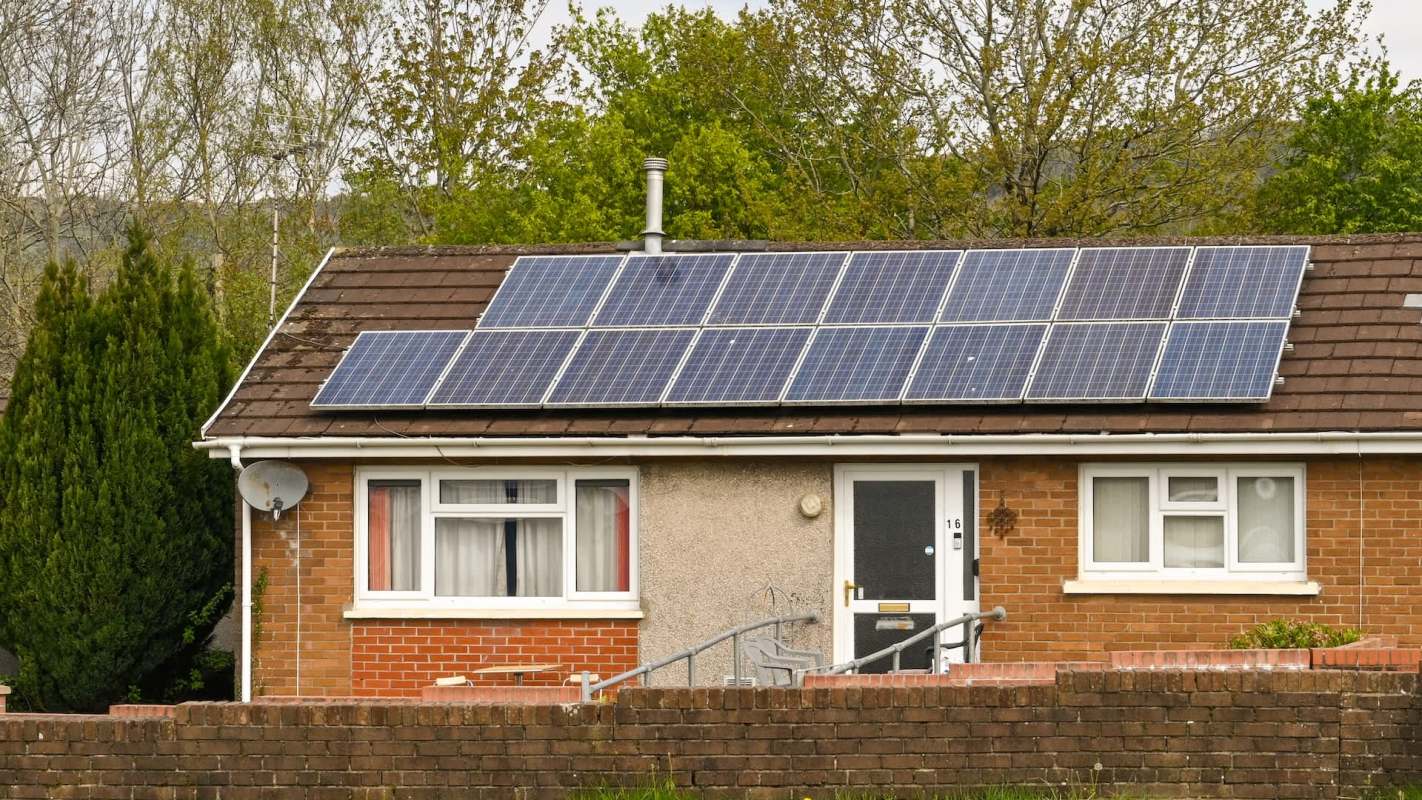
For some U.K. households with solar panels, earning more from electricity exports than they spend on power could come down to choosing the right tariff.
Here's what to know
An analysis by Make My House Green examined 1,281 solar households from July to September, according to The Independent. It found that 35.4% could have earned more from exports than they paid in import costs and standing charges by using the lowest-cost eligible tariffs assessed.
On a standard price-cap tariff, however, that share fell to 16.3%, with exports valued at 8 pence (10 cents) per kilowatt-hour, according to The Independent.
Going solar is one of the best ways to save money on home energy, and solar leases can deliver hundreds of dollars in monthly savings without upfront costs. Readers can use EasyHome's free explorer tool to see potential savings from vetted installers in their areas.
More background
According to The Independent, Make My House Green put the increase in solar-panel electricity output at 13.6% compared with a typical summer, with production in London and the South East reaching 19.2% above average. Those unusually sunny conditions preceded the analysis.
Through the Smart Export Guarantee, homeowners can receive payments for surplus solar electricity. Power they use at home instead saves them from buying that electricity from the grid. The same surplus electricity can earn different payments depending on the supplier.
What can be done?
When a home's electricity demand exceeds its solar output, the price it pays for grid power becomes part of the tariff calculation. Owners therefore need to compare buying costs as well as payments for electricity they sell.
Costlier imports can outweigh the benefit of a more generous export payment.
Crushed by your bills? See instant solar savings from vetted installers in just a few clicks With energy prices through the roof, there's never been a better time to go solar — and EasyHome can help you find the best prices from the best installers in your area. EasyHome takes the guesswork and headaches out of energy upgrades by showing you estimated savings from a network of vetted local partners. To get started, just enter your ZIP and share a few details about your home — seeing your estimate is really that easy. |

A battery gives households the option of keeping surplus solar electricity for the evening instead of exporting it. It can also hold electricity bought from the grid at a cheap rate for use when prices are higher. According to The Independent, some tariffs offer those lower prices overnight or at times of low demand.
For readers weighing installation options, EasyHome's free explorer tool can help compare potential savings from vetted local installers and explore backup battery storage options. Pairing solar with a battery allows homeowners to maximize savings and power their homes with solar when the grid goes down.
For the typical household in Make My House Green's analysis, switching to a more favorable tariff could have reduced costs by £63 ($82) from July through September, according to The Independent.

Get TCD's free newsletters for easy tips, smart advice, and a chance to earn $5,000 toward home upgrades. To see more stories like this one, change your Google preferences here.






