


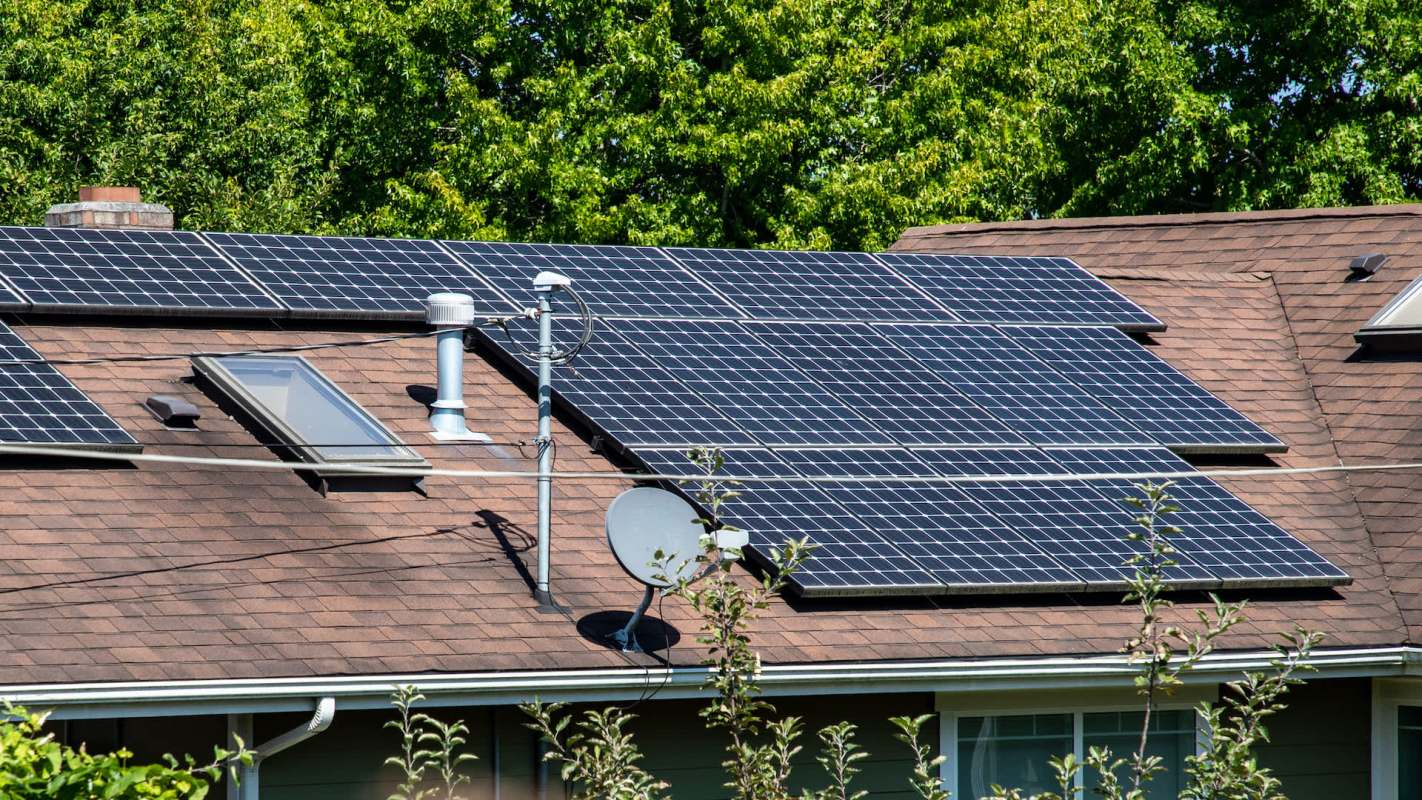
When Hurricane Helene caused an eight-day grid outage in 2024, a North Carolina retiree's solar panels and backup batteries kept more than just the lights on.
Here's what to know
After building near Jonathan Creek, Todd Kemmerling, a retired swim coach and small-business owner, added 24 solar panels and two Tesla Powerwall batteries, according to The Mountaineer.
Neighbors without electricity or water were welcome at his home, where a $50,000 solar-and-battery system kept the well pump, refrigerator, and outlets running. Soup and coffee came from a Crock-Pot because the battery-backed circuits did not include the heater, water heater, stove, or oven.
Rising electricity prices could bring the payoff sooner than the 20 years Kemmerling originally estimated, The Mountaineer reported.
Going solar is one of the best ways to save money on home energy, and solar leases in particular can deliver hundreds of dollars in monthly savings without any upfront costs. Homeowners can use EasyHome's free explorer tool to see their potential savings from vetted installers in their areas.
More background
Differences in household size and energy use make other residents' bills an imperfect benchmark for Kemmerling's costs. Some Waynesville residents had bills of $300 to $400, while his ranged from $20 to $130, according to The Mountaineer.
Any surplus electricity goes to Haywood Electric Membership Corp., which purchases it. The panels also replace gasoline purchases by charging the family's two electric vehicles.
The Tesla app showed Kemmerling sold 530 kilowatt-hours to the grid and bought 81 in July, The Mountaineer reported. He receives 4.6 cents for each kilowatt-hour he exports but pays 13.6 cents for each one he buys.
Crushed by your bills? See instant solar savings from vetted installers in just a few clicks With energy prices through the roof, there's never been a better time to go solar — and EasyHome can help you find the best prices from the best installers in your area. EasyHome takes the guesswork and headaches out of energy upgrades by showing you estimated savings from a network of vetted local partners. To get started, just enter your ZIP and share a few details about your home — seeing your estimate is really that easy. |

The difference in rates, along with a monthly grid-connection fee, means he can still owe money even when he sends more electricity to the grid than he uses.
What can be done?
A microwave is among the appliances Kemmerling would consider adding if he were choosing the battery-backed circuits again. For easier repairs, he would also use a Western North Carolina installer instead of one based in Columbia, South Carolina.
Buying with cash or a loan offers better value than leasing, an installer told Kemmerling, though several local installers offer leases. As for installation costs, The Mountaineer reported his estimate of $35,000 for a typical solar installation with one Powerwall and $22,000 for one without battery storage.
EasyHome can help homeowners compare vetted local installers and explore options for backup battery storage. Pairing solar with a battery lets homeowners maximize savings and power their homes with solar when the grid goes down.
"I just didn't want to be part of wrecking the future," he said, per The Mountaineer. "It's such a great planet. It'll take care of us, if we take care of it."

Get TCD's free newsletters for easy tips, smart advice, and a chance to earn $5,000 toward home upgrades. To see more stories like this one, change your Google preferences here.






