


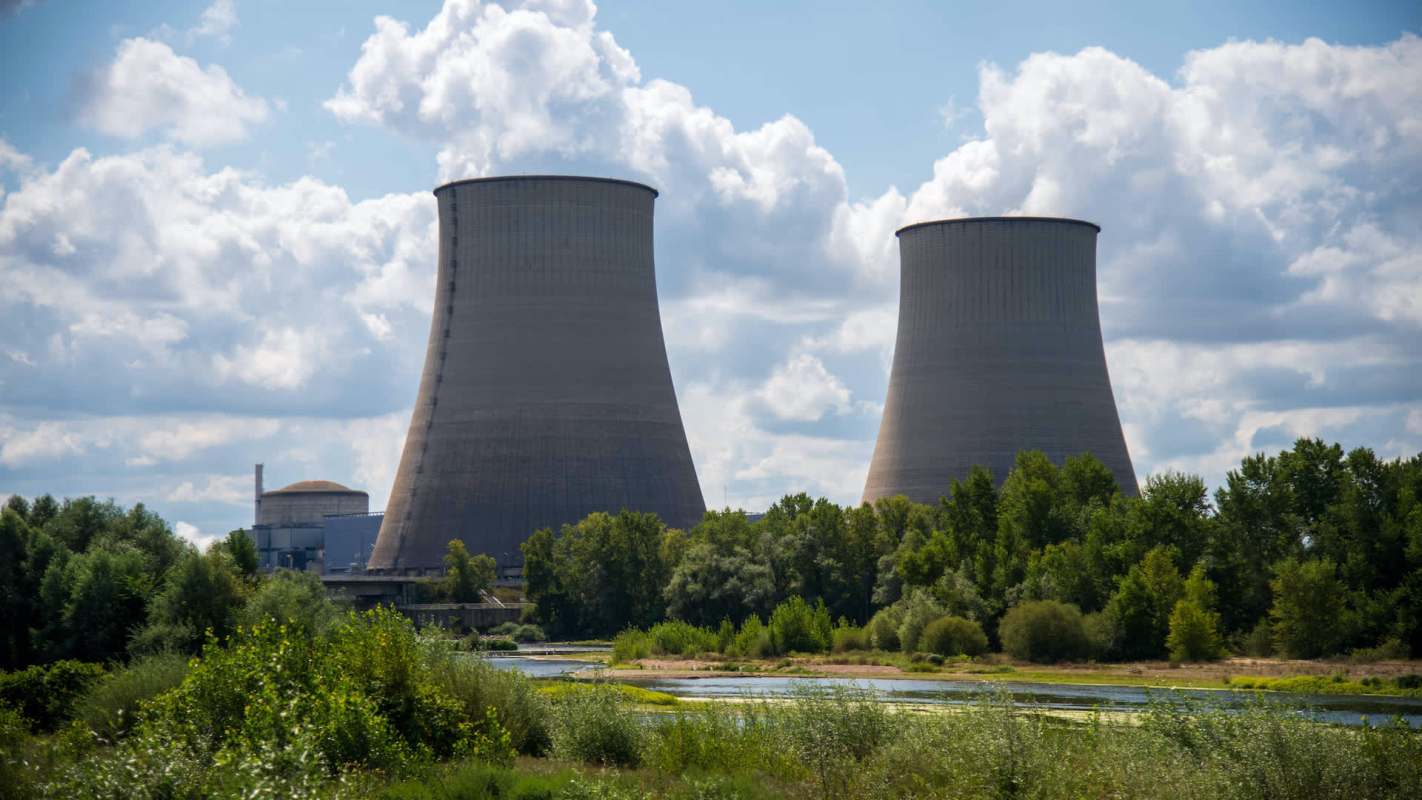
Countries seeking more electricity from domestic sources amid global supply disruptions are taking another look at nuclear power. The global nuclear construction pipeline was larger in mid-2026 than at any point in over 35 years, totaling nearly 90 gigawatts.
Here's what to know
According to World Nuclear News, which reported on the International Energy Agency's World Energy Outlook 2026, more than 50 countries had nuclear plans or goals that include technologies such as small modular reactors.
Higher expectations for China and the United States drove much of the agency's upward revision to its nuclear outlook.
The IEA's projections showed nuclear power could gain a larger share of global electricity production by outpacing growth in electricity demand. Nuclear power currently supplies 9% of the world's electricity.
Under the report's Current Policies Scenario, which reflected existing regulatory and policy measures, worldwide nuclear capacity would grow to 825 gigawatts in 2050 from a 2024 baseline of 420 gigawatts. That was an increase from the previous edition's projection of 728 gigawatts for 2050.
More background
Disruptions to Gulf energy supplies and shipping through the Strait of Hormuz have helped renew interest in nuclear power, according to the IEA.
TCD Picks » Quince Spotlight
💡These best-sellers from Quince deliver affordable, sustainable luxury for all




Consumers face high prices as dwindling buffers leave them to bear more of the supply shock. Cumulative losses totaled 2.8 billion barrels of oil and 2.1 trillion cubic feet of gas.
The IEA expected nuclear power and renewables, particularly solar, to be major beneficiaries of countries' responses. Those responses included faster electrification, greater use of domestic resources, and a wider range of suppliers.
Growing electricity demand from artificial intelligence and data centers is also driving interest in dependable power sources.
Beyond providing large amounts of low-carbon electricity, nuclear power can reduce exposure to fuel-market volatility. World Nuclear Association Director General Sama Bilbao y León said roughly one-fourth of global low-carbon electricity comes from nuclear power.
Still, expanding nuclear power carries significant trade-offs, including radioactive waste, high upfront costs, safety concerns, and weapons-proliferation risks.
What's being done?
Countries have reaffirmed or expanded their nuclear development commitments, extended existing reactors' operating lives, or begun reviewing limits on nuclear development, according to the IEA.
Its Stated Policies Scenario, which incorporated the latest energy, climate, and industrial policy settings, put nuclear capacity at 886 gigawatts by 2050. Meanwhile, its pathway to net-zero energy-related carbon dioxide pollution reached 1,203 gigawatts that year alongside changes across the wider energy system.
Reaching those projected capacities, however, will depend on sustained collaboration among public authorities, nuclear businesses, financial backers, and international organizations, Bilbao y León said. She also said the World Nuclear Association would share industry data and insights with the IEA to inform its analysis.
"The Hormuz crisis has delivered a huge shock to the system," IEA Executive Director Fatih Birol said, per World Nuclear News. "While the energy sector and the global economy have shown considerable resilience, the longer the crisis lasts, the deeper the effects will be. And I don't see any credible pathway for the energy world to return to the way it was before.
"This World Energy Outlook looks past the current turmoil to explore the range of energy futures that could emerge from today's upheaval. By providing multiple scenarios — none of which are forecasts — and analysis of unparalleled scope, it can serve as a reference as countries consider their next steps. It also brings into focus the difficult trade-offs they face. In pursuit of greater energy security, countries must take care not to replace one dependency with another. But encouragingly for the future, energy security and energy transitions have never been so closely aligned."

Get TCD's free newsletters for easy tips, smart advice, and a chance to earn $5,000 toward home upgrades. To see more stories like this one, change your Google preferences here.






