


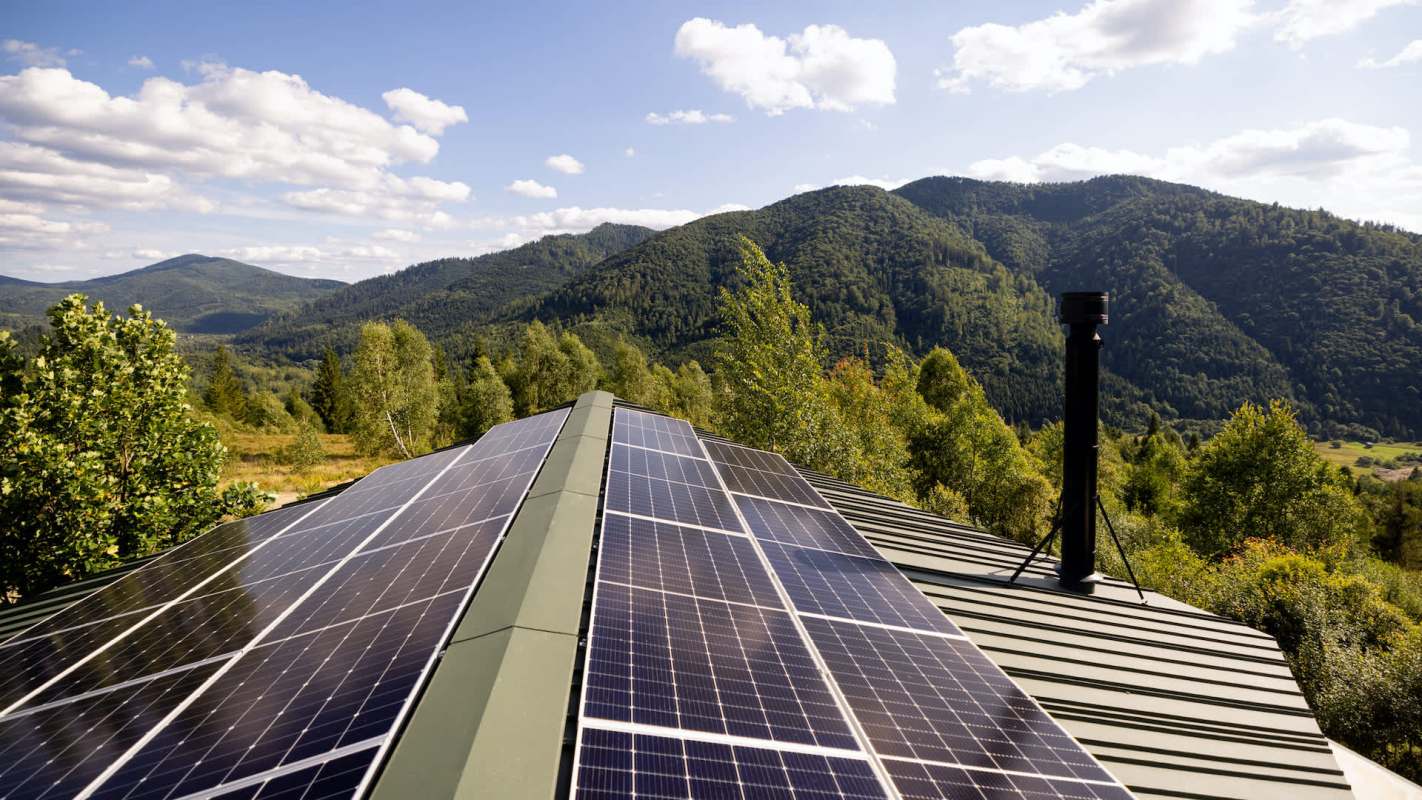
A Victorian homeowner paid $74,000 AUD ($49,000 USD) for an off-grid setup with 65 solar panels and 46 kilowatt-hours of battery storage, according to a 2024 report cited by Dubbo Photo News.
Here's what to know
Household self-sufficiency can extend beyond electricity to supplying water and managing wastewater, making owners responsible for those services.
Going off-grid can involve disconnecting a home from the electric grid and other public utilities.
For most properties, a grid connection remains the cheapest electricity option, the Australian Government's energy.gov.au website explained. But off-grid power can make financial sense for remote properties where connecting to the network would be expensive or impractical.
Household electricity use determines the cost of a stand-alone solar installation.
For homeowners comparing solar options, EasyHome is a user-friendly marketplace offering solar shoppers exclusive pricing and unique deals from trusted partners.
More background
Construction detritus, wildlife droppings, and other debris can contaminate collected rainwater, so owners disconnecting from public water need to manage those risks.
With proper installation and maintenance, however, rainwater tanks can provide a safe supply, NSW Health noted.
Crushed by your bills? See instant solar savings from vetted installers in just a few clicks With energy prices through the roof, there's never been a better time to go solar — and EasyHome can help you find the best prices from the best installers in your area. EasyHome takes the guesswork and headaches out of energy upgrades by showing you estimated savings from a network of vetted local partners. To get started, just enter your ZIP and share a few details about your home — seeing your estimate is really that easy. |

NSW Health emphasized cleaning gutters every three to four months for water-independent homes, as well as regularly checking water storage tanks for cleanliness.
Owners must keep household sewage systems working properly and obtain council permission both to install and to operate them, the NSW Office of Local Government says.
What can be done?
Rooftop solar panels are the most effective solution to rising energy prices, and solar leases offer those savings with no upfront costs.
Homeowners can go solar without taking on the full responsibilities of an off-grid home.
Prospective buyers and builders should check local code requirements before committing, assess their home's needs, and seek expert guidance when planning such a system.
For households dealing with high electric bills, EasyHome is like Groupon for home energy, negotiating exclusive offers for its large user base.
It also offers special battery deals: pairing solar with storage boosts savings and provides backup electricity during outages — useful benefits for households that decide to keep their grid connection.
Energy used for heating and cooling can be reduced through intentionally deployed insulation, glazing, and shading, the Australian Government's Your Home guide advised.
Those approaches can also be incorporated into existing homes.

Get TCD's free newsletters for easy tips, smart advice, and a chance to earn $5,000 toward home upgrades. To see more stories like this one, change your Google preferences here.






