


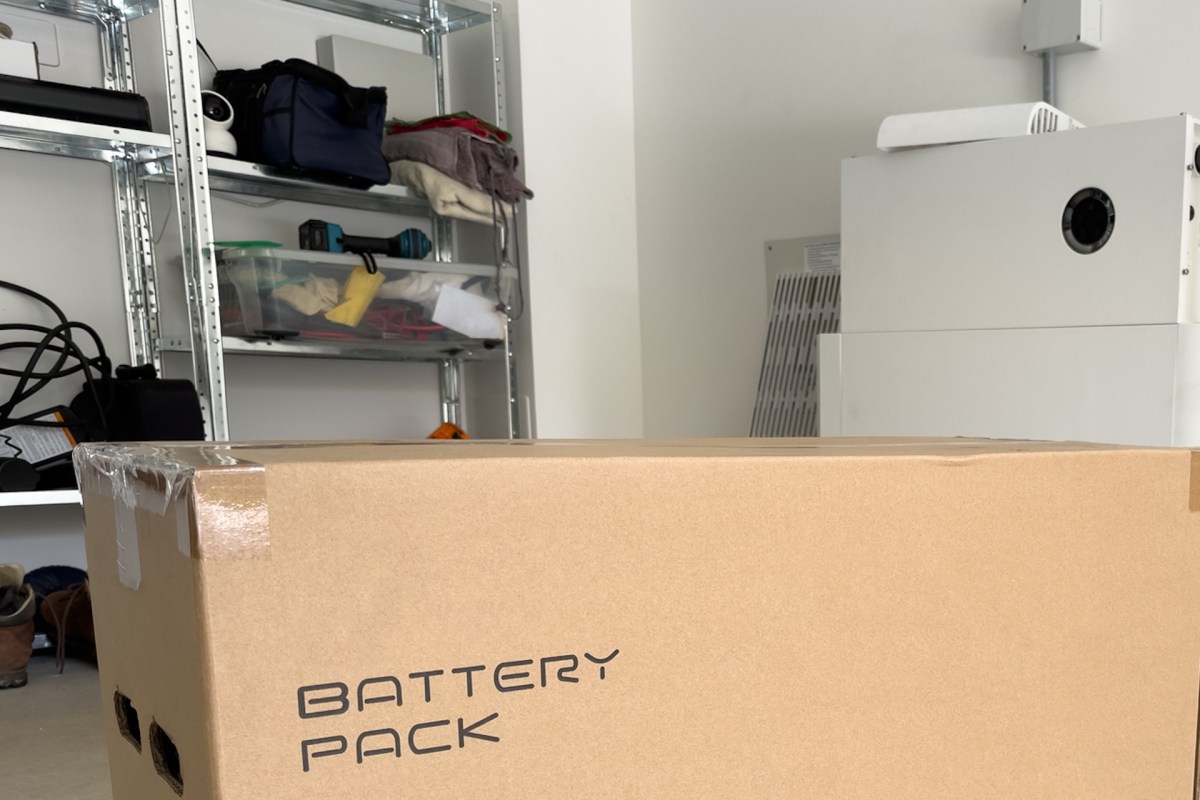
A Michigan homeowner is concerned about winter temperatures after a city inspector required them to move two home batteries from a basement into an uninsulated garage.
They say temperatures have historically reached minus 20 degrees Fahrenheit.
Here's what to know
In a Reddit post, the homeowner asked whether others had winterized their garages to keep the equipment above freezing. "We had the batteries originally installed in the basement and our city inspector forced us to move it to the garage. Ugh," they explained.
The homeowner's two Enphase IQ 10C batteries run about 11 degrees warmer than the outdoor air but have a minimum temperature rating of minus 4 degrees Fahrenheit, leaving them in the danger zone if temperatures reach minus 20.
Whole-home batteries can keep essentials running through grid instability and cut electricity costs during peak-pricing periods as energy prices rise. Leases can also help protect homes while avoiding upwards of $20,000 upfront. EasyHome is a marketplace offering battery shoppers unique prices and exclusive deals from trusted partners.
More background
One battery owner in a similar situation said temperatures of minus 10 degrees Fahrenheit hadn't stopped their outdoor units from operating.
"Batteries worked in -10 but could not discharge or charge at full capacity," they explained.
A commenter used excerpts from Enphase's temperature guidelines to explain that operating limits differ from the temperatures needed for full power. The listed full-power ranges are 32 to 122 degrees Fahrenheit when discharging and 59 to 113 degrees when charging.
Crushed by your bills? See instant solar savings from vetted installers in just a few clicks With energy prices through the roof, there's never been a better time to go solar — and EasyHome can help you find the best prices from the best installers in your area. EasyHome takes the guesswork and headaches out of energy upgrades by showing you estimated savings from a network of vetted local partners. To get started, just enter your ZIP and share a few details about your home — seeing your estimate is really that easy. |

For shoppers considering a smaller backup option, Pila offers a plug-and-play format at a substantially lower price than whole-home backup systems.
What can be done?
One commenter recommended sealing large air gaps along with insulating the garage's walls and attic to retain more warmth.
They said their garage stayed around 30 degrees Fahrenheit with R-19 wall insulation and roughly R-60 attic insulation. They described the local weather as similar to the original posters.
The homeowner remained concerned about the unfinished garage, which shares only one wall with the house. They said fire-resistant drywall was already in place behind and above the batteries.
Another commenter recommended asking the inspector for advice, noting that the inspector had required the relocation.
For homeowners comparing home battery options, EasyHome functions like Groupon for home energy, negotiating special offers for its large audience and giving battery shoppers access to unique deals. It also offers special solar deals: pairing panels with a battery can increase electricity savings and provide backup during outages.
"For us, we're concerned about how those temps will impact long-term quality, performance, and life of the batteries."

Get TCD's free newsletters for easy tips, smart advice, and a chance to earn $5,000 toward home upgrades. To see more stories like this one, change your Google preferences here.






