


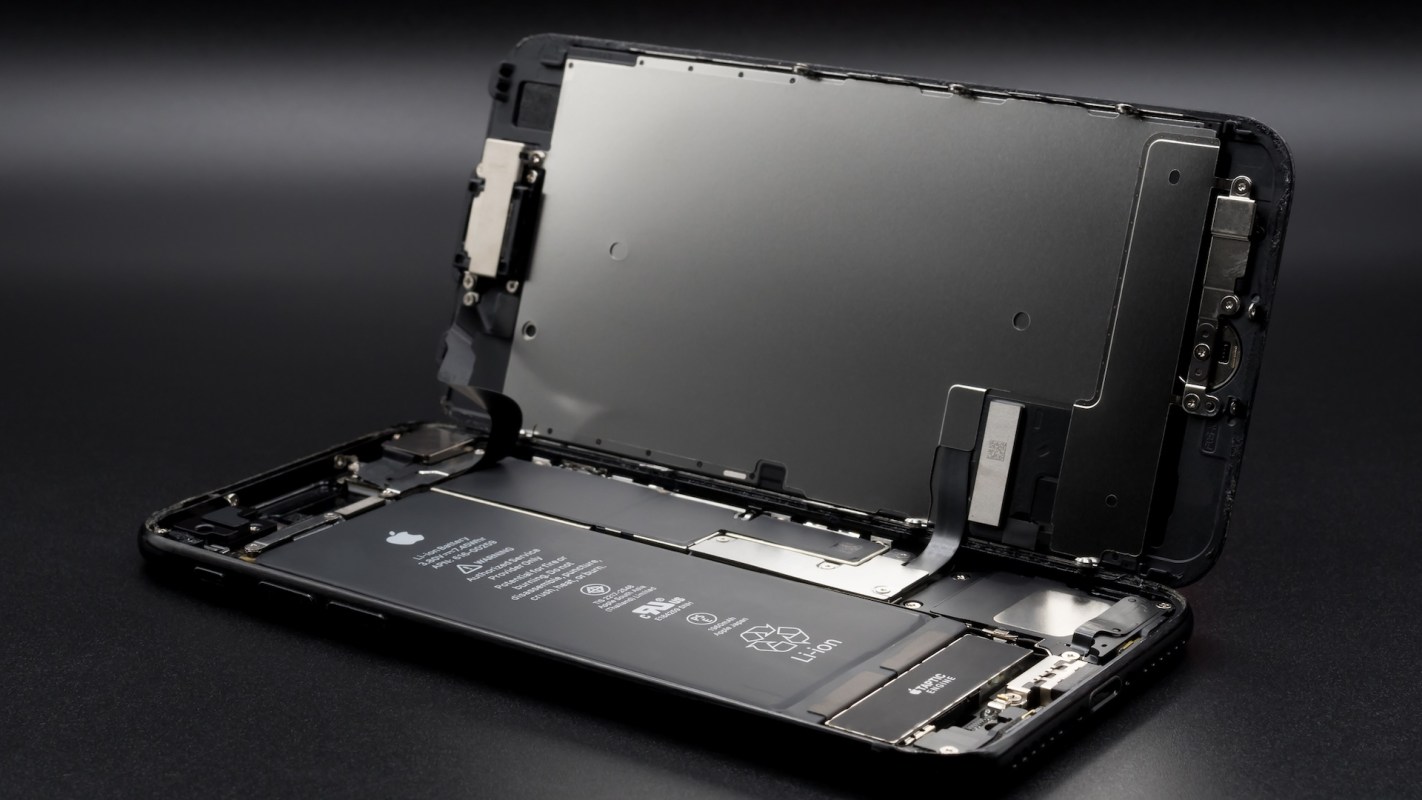
The Paris public prosecutor's office has brought Apple and its subsidiary Apple Distribution International to trial over allegations that Apple disabled iPhone features after independent repairs.
Here's what to know
The companies must appear in Paris for a four-day hearing starting June 17, according to The Connexion.
The case covers the iPhone XS; iPhone SE; and iPhone 12, 13, 14, and 15 series. The companies allegedly deliberately obstructed repairs on those models from November 2021 to July 2024.
Halte à l'Obsolescence Programmée brought the case with a December 2022 complaint over alleged "planned obsolescence." The group said no similar case had ever reached trial, The Connexion reported.
More background
The dispute centers on Apple's alleged use of software to control who could repair or refurbish its phones. Planned obsolescence describes the practice of engineering products to fail or go out of date sooner than necessary, pushing people to buy replacements.
Some phone functions allegedly stopped working after repairs or component replacements outside Apple's authorized network, per The Connexion. Those restrictions are believed to come from Apple's own engineers, who configured operating systems to identify parts by their serial numbers.
TCD Picks » Quince Spotlight
💡These best-sellers from Quince deliver affordable, sustainable luxury for all




The alleged consequences included Face ID no longer working and battery-health information failing to display correctly.
That could have boxed customers into using Apple's own stores or its approved partners, with Apple setting the price, according to The Connexion.
The suspected purpose was to generate more income through repairs or replacement purchases. Customers' ties to apps and services available only through Apple could also make another iPhone the likely replacement.
What's being done?
If the court rules against Apple, customers could seek compensation, and the company could face a financial penalty of €300,000 ($328,110) or a fine based on its yearly earnings, The Connexion reported.
Halte à l'Obsolescence Programmée's earlier complaint, filed in 2017, claimed Apple pushed software updates that could slow devices without warning users first.
Under the resulting settlement, Apple paid a €25 million ($27.4 million) fine, and for a month its site displayed a notice about the update slowdown, per The Connexion.
The outlet also reported that similar complaints led to settlements in other countries.
Apple rejected the charges.
"We firmly contest these unfounded allegations," the company said, according to The Connexion.

Get TCD's free newsletters for easy tips, smart advice, and a chance to earn $5,000 toward home upgrades. To see more stories like this one, change your Google preferences here.






