


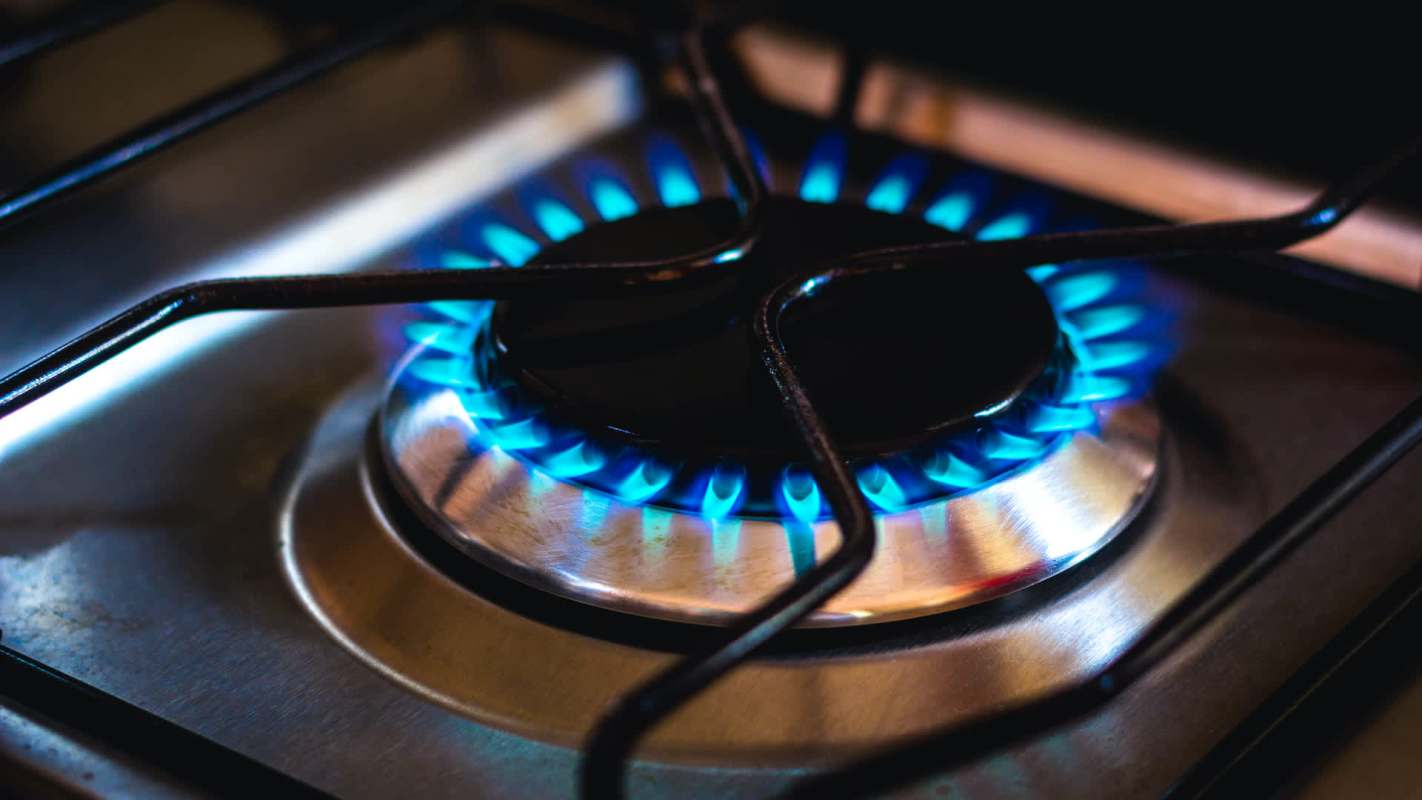
Some families in western Pennsylvania are turning to stovetop burners to heat their homes as they struggle to cover heating bills and other expenses.
Many households that qualify for help haven't enrolled, leaving them at risk of financial strain and safety problems.
Here's what to know
Pennsylvania's Low-Income Home Energy Assistance Program, known as LIHEAP, includes crisis grants for heating-system failures or an impending loss of heat, according to WJAC. The program also offers a separate, one-time cash payment to help households pay their heating bills.
Last season, the Pennsylvania Department of Human Services approved more than 18,000 crisis applications and more than 24,000 heating-assistance applications in the 10-county 6 News coverage area.
For the first two weeks of this season, the department said it received over 18,000 applications and approved more than 13,000.
State and local agencies want residents who are uncertain about their eligibility to apply as well.
TCD Picks » Quince Spotlight
💡These best-sellers from Quince deliver affordable, sustainable luxury for all




More background
Scott Zarefoss, who leads weatherization efforts for Somerset County's Tableland Services, described the unsafe measures some residents have taken to keep their homes warm, according to WJAC.
"We go into homes that have people using their stoves or there are burners on their stove for heat. They're using non-combustible kerosene heaters that produce toxic flames in the house," Zarefoss said.
"On average over the last three years, we've done about 190 homes per year," Zarefoss noted.
What can be done?
For residents with heating-system problems, Zarefoss explained that the work continues after repairs are completed.
"We go to the house and do an assessment on it, get a contractor to come work on it. And then we would go back and do a safety test to make sure that unit is working correctly," he said.
Customers may be able to have overdue debt temporarily frozen and eventually forgiven through utility Customer Assistance Programs, known as CAP. The programs may also lower monthly payments based on income.
Some eligible customers aren't enrolled in assistance, creating a "CAP gap," according to the Pennsylvania Public Utility Commission.
"So the health and safety is just as important as getting them heat in the house," he said.

Get TCD's free newsletters for easy tips, smart advice, and a chance to earn $5,000 toward home upgrades. To see more stories like this one, change your Google preferences here.






