


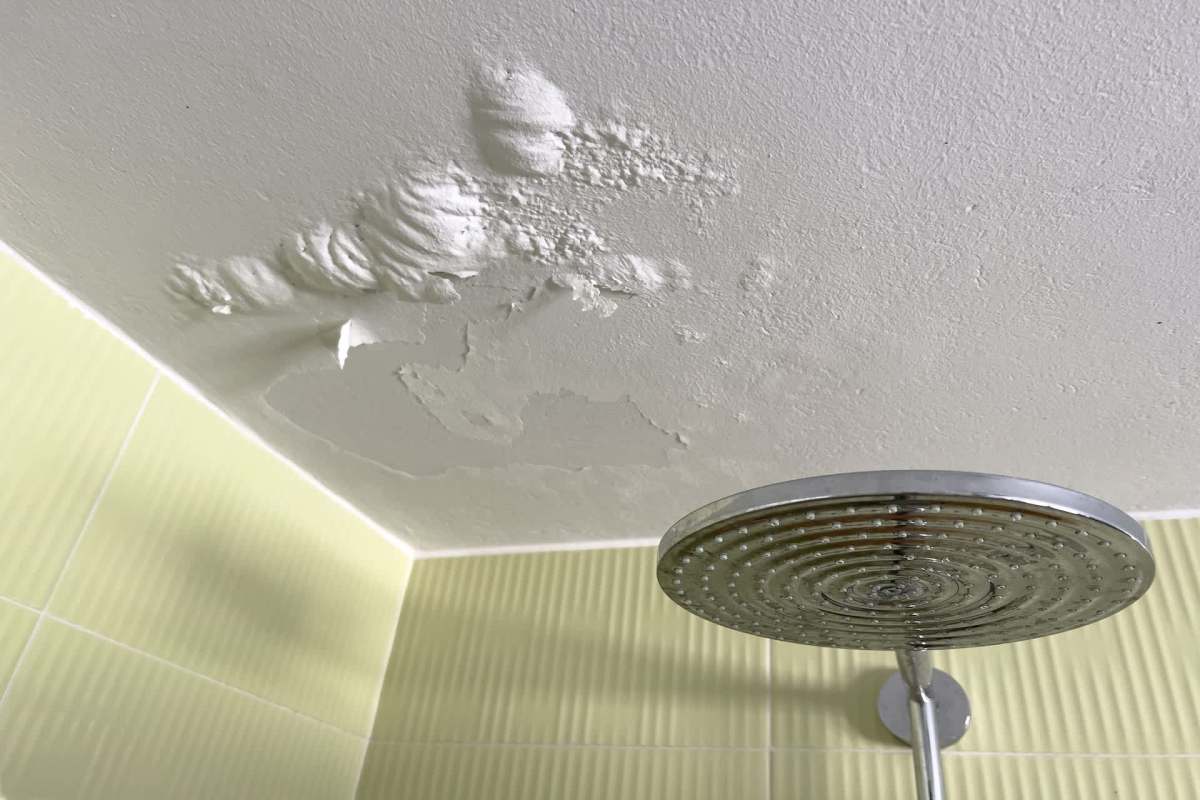
Tar dripping into a downstairs bathtub became the latest problem for homeowners dealing with an upstairs shower leak. They had moved into the renovated old house less than three weeks earlier.
The contractor's attempt to repair the leak left the household questioning what had gone wrong in the first place.
Here's what to know
In a post on Reddit's r/HomeImprovement community, the homeowner asked whether the shower drain or its hot-mop waterproofing caused the leak, and whether tar should be coming through the ceiling.
"Hoping someone can give us some insight into what our issue might be because we don't trust our [general contractor] at this point. We don't know what is causing a major leak," they wrote.
The household was using the upstairs shower while the downstairs bathroom remained unfinished. Both bathrooms and the kitchen had been gutted and renovated.
The general contractor's crew initially blamed the drain for the water appearing in the downstairs tub. After opening the ceiling to investigate, workers reported that the drain rested directly on a joist that had been absorbing water.
TCD Picks » Quince Spotlight
💡These best-sellers from Quince deliver affordable, sustainable luxury for all




The crew shifted its attention to the shower's hot-mop waterproofing after testing suggested the drain was working properly. Workers had removed tile upstairs and ran water to check it.
More background
Tar began dripping through the open ceiling into the downstairs tub after workers demolished the shower and redid the hot mop. Hot mopping is a method to waterproof bathroom floors by heating asphalt and using a large mop to apply it between layers of felt.
"Wow, I didn't think people hot mopped very much anymore," one commenter added. Another person commented, "Hot mop seems to be a regional thing. When I did our bathroom in Los Angeles we had more than one contractor bid with a hot mop. [I] ended up doing it with kerdi and felt way better about it."
The homeowner suspected that workers might have cracked the waterproofing by storing materials in the shower and tossing items into it. That activity took place during the two-week gap between the waterproofing inspection and tile installation.
Renovations, whether done by a seemingly licensed professional or a family friend, can ruin perfectly fine materials and home structures and waste homeowners' money when done without proper care or materials. Using reputable contractors and getting more than one project cost estimate can help homeowners make sound decisions when it comes to renovating parts of their home.
What can be done?
One commenter recommended an additional check and urged the homeowner to stop working with the general contractor. "Demand a certified 24-hour flood test before another piece of tile goes down," they wrote.
The homeowner replied, "That's my fear. Weird thing is they passed the original inspection doing a 48 hour test with the water." Still, the homeowner was left questioning, "So what on earth happened?"

Get TCD's free newsletters for easy tips, smart advice, and a chance to earn $5,000 toward home upgrades. To see more stories like this one, change your Google preferences here.






