


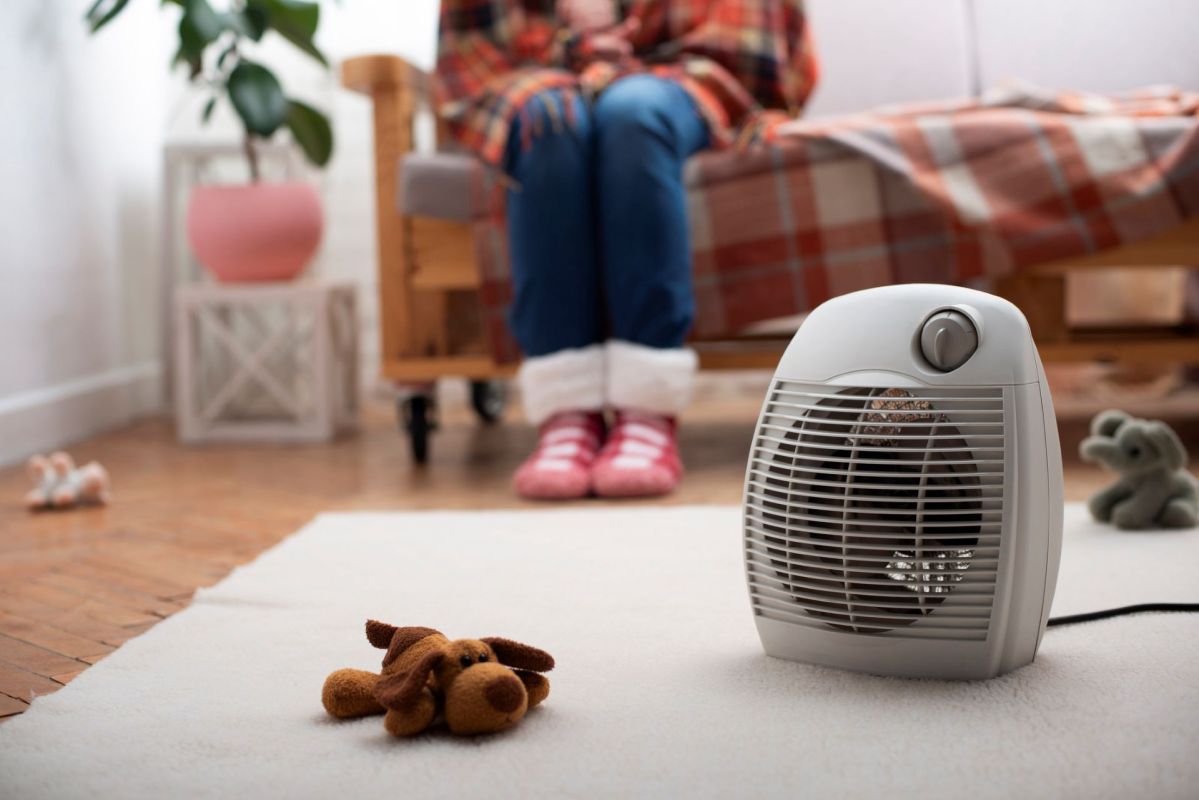
A small space heater helped keep one family comfortable while they waited for HVAC repairs, but they still feared bursting pipes in the meantime.
"What's the coldest my house can be without my pipes bursting?" they asked Reddit.
Here's what to know
With heating repairs scheduled, the first-time homeowner explained that they were relying on a compact space heater in the living room.
"The lowest my thermostat has read so far is 55 F," they wrote. "We have a 1 story house with an unfinished basement with a temp normally 5-10 degrees colder than the rest of the house."
Redditors were quick to add their suggestions and warnings.
"The concern is that if the interior of your house is in the 50s, the pipes in your walls could be close to freezing depending on how cold it is outside and how well insulated the house is," one explained. "Houses are not one perfectly uniform temperature. And [an] interior thermostat is going to be the warmest part of your house."
TCD Picks » Quince Spotlight
💡These best-sellers from Quince deliver affordable, sustainable luxury for all




Several commenters suggested letting vulnerable faucets drip slowly if temperatures were going to drop below 32 degrees. Another linked to a This Old House explanation of how pressure can build when an ice blockage traps water between the blockage and a closed faucet.
Other commenters pointed to plumbing locations, outdoor temperatures, and insulation as important factors in determining whether pipes could freeze.
Insulated plumbing and frostproof outdoor spigots can influence a home's vulnerability during freezing weather, one commenter noted. They compared Michigan and Texas homes to illustrate how houses built for northern winters may differ from those in warmer regions.
What can be done?
Commenters encouraged the homeowner to check temperatures beyond the thermostat before deciding whether the space heater was providing enough warmth.
Some users also suggested opening sink cabinets and other enclosures around water lines, along with leaving bathroom doors open when no one was using the rooms.
One commenter even urged the homeowner to seek an earlier heating repair if possible and maintain an indoor temperature of about 55 degrees or higher.
The homeowner ultimately welcomed the practical advice as they dealt with the breakdown.
"As a first time homeowner, all of this info is incredibly helpful," they wrote.

Get TCD's free newsletters for easy tips, smart advice, and a chance to earn $5,000 toward home upgrades. To see more stories like this one, change your Google preferences here.






