


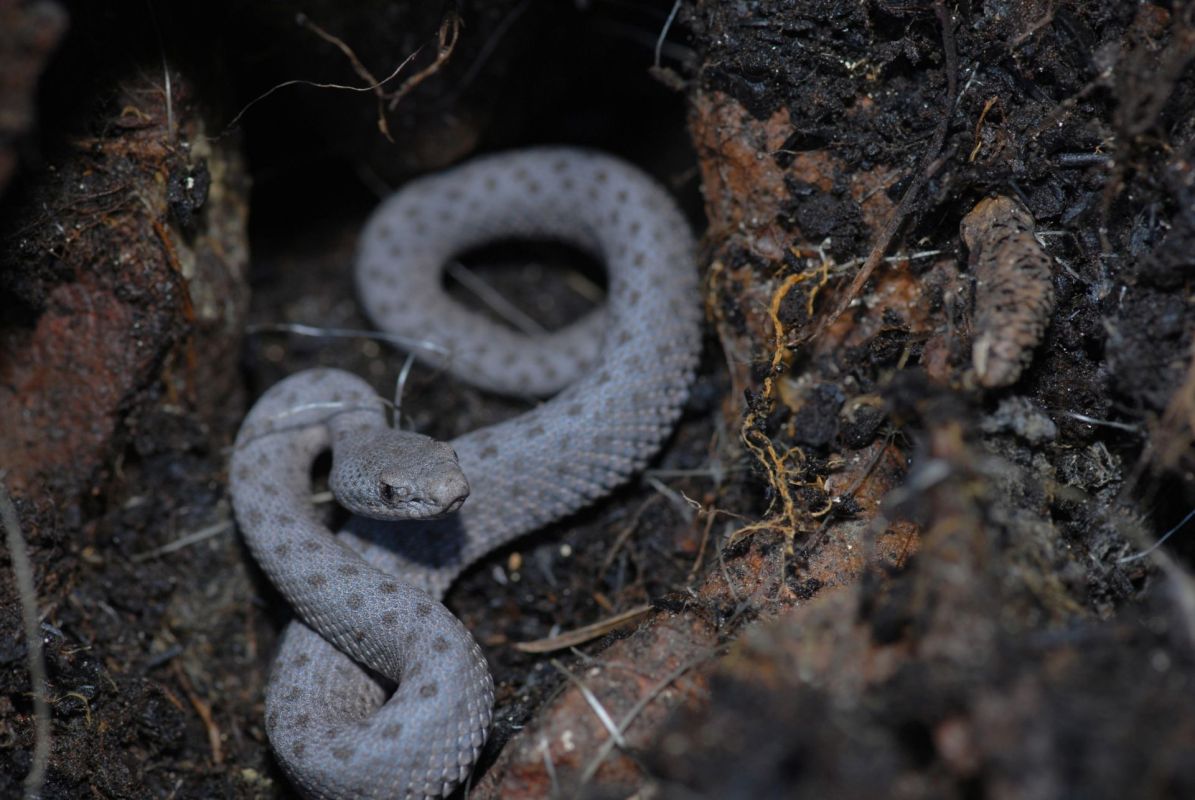
A little-known Arizona rattlesnake is drawing admiration in the nation's newest national park, Chiricahua National Park.
Here's what to know
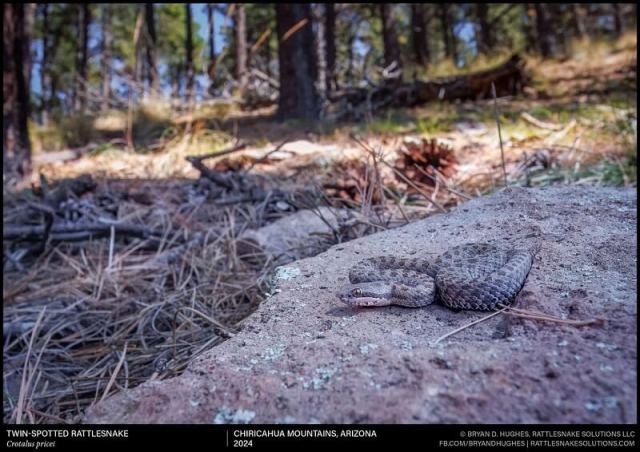
In a Reddit thread shared in r/whatsthissnake, the original poster shared a photo of a twin-spotted rattlesnake in the Chiricahua Mountains along with information about this "lesser-known venomous snake" from the Journal of Herpetology.
"Twin-spotted rattlesnakes (Crotalus pricei) are small, high-elevation rattlesnakes that live in a handful of mountain ranges in the Sky Islands region of Arizona," the OP wrote. "Hikers may see them rarely, visiting the peaks and upper saddles of the Santa Rita, Huachuca, Pinaleno, and Chiricahua ranges."
They explained that the snakes are found in upper elevations of the park, beyond the 6,000-foot threshold. Though most of Chiricahua National Park is below this elevation, "the longer trails leading to Massai Point get into the right areas where one may be spotted."
The poster also described the snake's features that allow it to go unnoticed by most visitors, including its small size of about two feet and quiet nature. "They do rattle, but usually just silently slip off the trail or into the rocks," they wrote. "If a rattle does happen, it's a quiet buzz that sounds more like an insect than a rattlesnake.
"Twin-spotted rattlesnakes are protected in Arizona and should never be captured or killed."
TCD Picks » Quince Spotlight
💡These best-sellers from Quince deliver affordable, sustainable luxury for all




"I've never heard of this species," one commenter wrote.
Another added, "These are such handsome creatures."
"It almost looks like a nightsnake," another commenter observed. "Thankfully there are a few differences with the pattern. I could easily see someone misidentifying one of these if the rattle broke off."
This also raises a safety concern about encounters between people and snakes. Wild animals will attack humans if they cannot escape or feel threatened. Giving wildlife space, avoiding handling or disturbing habitat, and never feeding animals are critical rules to prevent potentially fatal encounters.
"I have seen these on very few occasions offered for sale as captive bred individuals," someone else wrote. "Seeing one in the wild would be amazing."
The OP shared the grim reality of this commenter's observation, raising concerns about the toll of human demand on the species.
"They unfortunately get poached quite often," they wrote. "This is one of the reasons the Barfoot area of the Chiricahuas was closed off during the active season. A lot of them come down the mountain and straight to El Paso, then overseas or otherwise laundered, and enter the pet trade. Fortunately, there seems to be enough bred now that is less common, but I still run into some questionable situations out there every year it seems."

Get TCD's free newsletters for easy tips, smart advice, and a chance to earn $5,000 toward home upgrades. To see more stories like this one, change your Google preferences here.







