


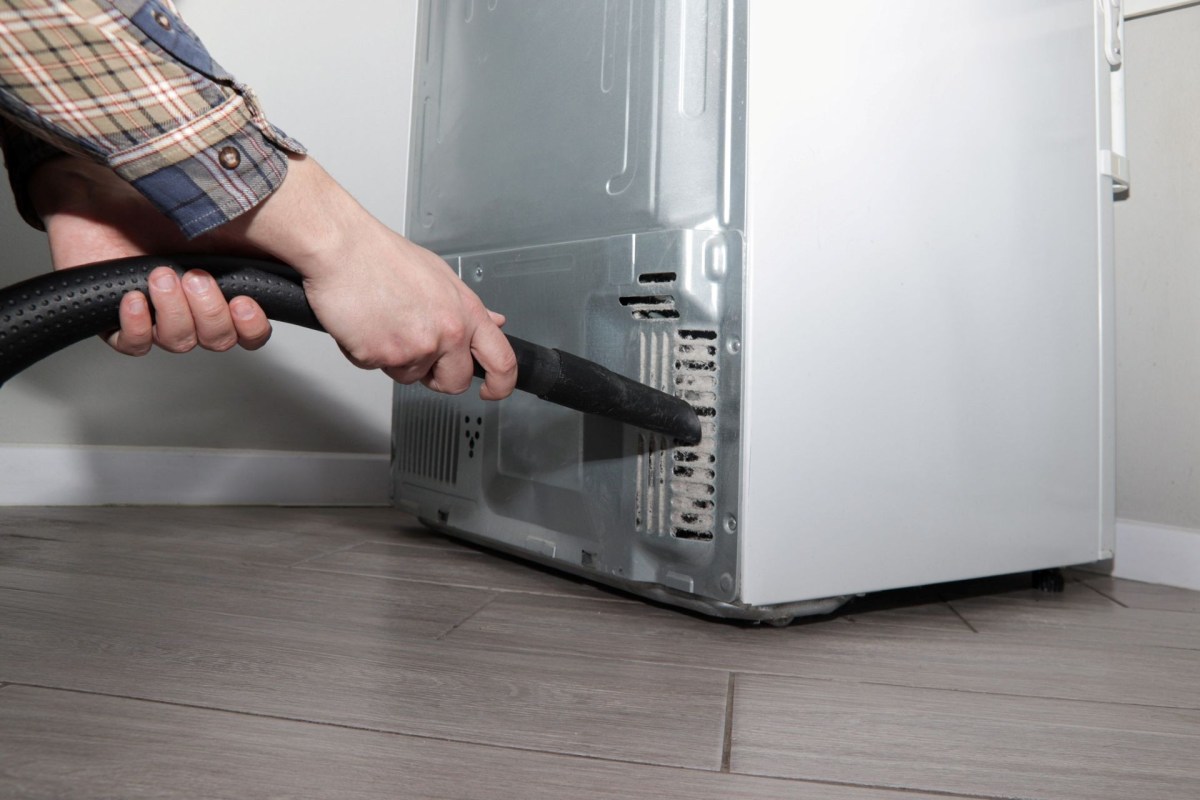
Refrigerators are essential to keeping food fresh, but an often-overlooked cleaning task could help keep them from working harder than necessary.
A vacuum and a soft brush can clear accumulated dust and debris from refrigerator coils in just a few minutes. Cleaning these components, located behind or beneath the appliance, may help prevent higher energy costs and unnecessary wear and tear.
Here's what to know
Casey Finn of DIY Playbook recommends cleaning refrigerator coils roughly every six months, according to ABC7 Chicago.
The outlet recommended the task for people preparing to host Thanksgiving, when keeping the kitchen's refrigerator running smoothly is particularly important.
A toe kick panel at the bottom front often conceals the coils on newer refrigerators. Once you've located that panel, removing it will let you reach the coils for cleaning.
If an older refrigerator has coils on the back, you may need to pull it away from the wall to get to them.
TCD Picks » Quince Spotlight
💡These best-sellers from Quince deliver affordable, sustainable luxury for all




More background
Dust, dirt, and debris on refrigerator coils can hinder their ability to release heat and keep the appliance cool.
Finn said energy costs can rise as the refrigerator works harder to compensate for that buildup.
In extreme cases, neglected coils can contribute to overheating and a shorter refrigerator lifespan. The buildup can also increase wear and tear on the appliance, in addition to raising household bills.
What can be done?
ABC7 Chicago advises disconnecting the refrigerator from power before taking off the toe kick or access panel.
Clear the accumulated dirt with a soft brush and a vacuum attachment.
Put the panel back after cleaning. Following Finn's recommended twice-yearly schedule can help households keep buildup in check.
For help identifying and reaching the coils, DIY Playbook's refrigerator-coil cleaning walkthrough includes more detailed instructions and photos.

Get TCD's free newsletters for easy tips, smart advice, and a chance to earn $5,000 toward home upgrades. To see more stories like this one, change your Google preferences here.






