


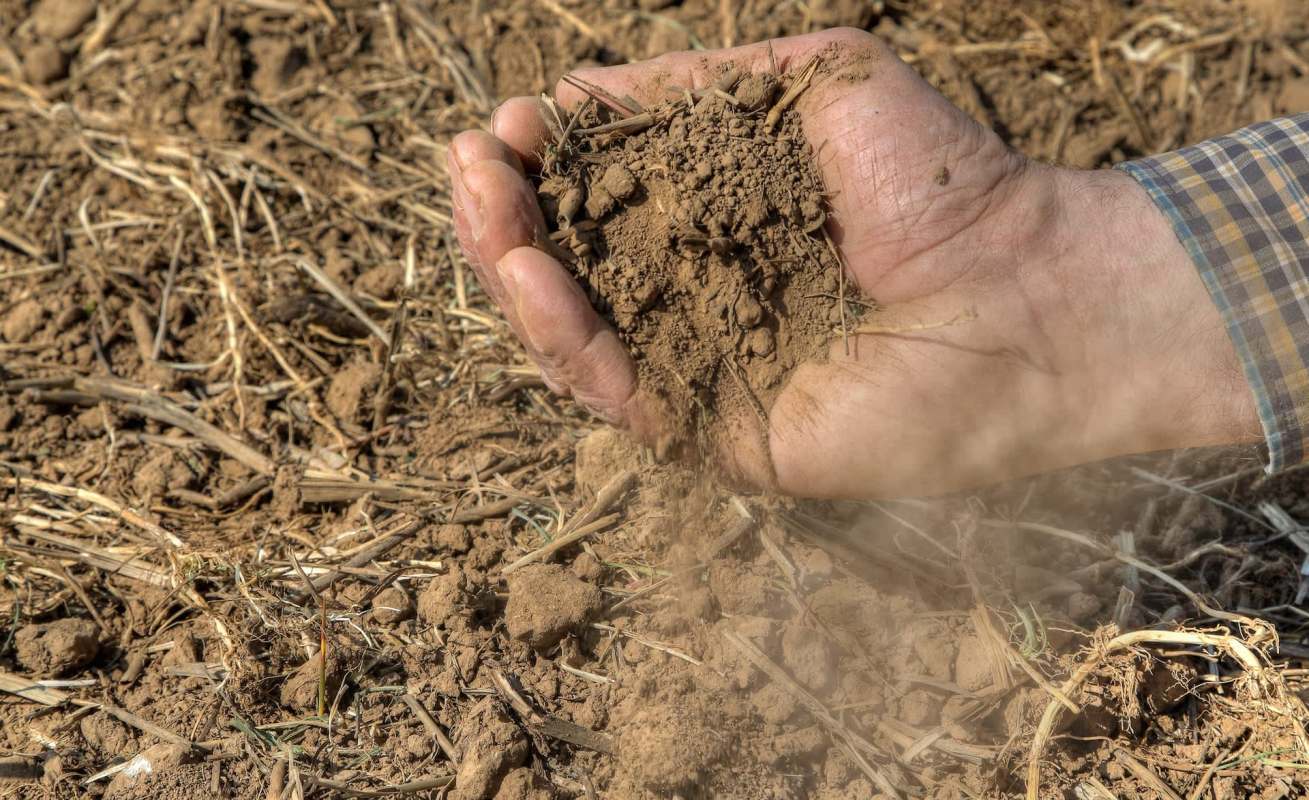
Drought and hail cost a fourth-generation farmer and rancher about a third of the wheat harvest outside Fleming, Colo.
Here's what to know
Record summer heat coincided with extreme drought on Colorado's Eastern Plains. Across the state, low mountain snowpack and warm conditions contributed to historic drought, according to KUNC.
Randy Kirkwood raises cattle and wheat near Fleming, a town of slightly more than 400 residents, in an area that depends on the heavily depleted Ogallala Aquifer.
"Your bills keep coming, whether it rains or not, whether you grow anything or not," Kirkwood said, per KUNC. "Financials are what keeps me up at night."
Worsening drought conditions have threatened livelihoods, public health, and community safety all at once.
Drought has intensified the agricultural mental health crisis. Meanwhile, agricultural bankruptcies nationwide rose 23% during the yearlong period through September compared with the preceding year, according to U.S. Courts figures cited by the outlet.
TCD Picks » Quince Spotlight
💡These best-sellers from Quince deliver affordable, sustainable luxury for all




More background
Kirkwood's son hopes to one day run the family operation. A high school senior, he works on the farm before heading to school.
Robert Sakata, a lifelong farmer who advises the Colorado Department of Agriculture on agricultural water policy, said high input costs compound the pressure of drought.
"When you're facing that possibility of ending that long legacy, it can be really emotionally draining," Sakata said, per KUNC.
Kirkwood's longtime friend Jason Santomaso said business at the Sterling Livestock Commission, where he works as an auctioneer, has also suffered as drought forced local cattle producers to sell cows. Through his podcast, "Hard Land Honest Minds," he has spoken openly about anxiety, depression, and alcohol use.
According to national Centers for Disease Control and Prevention data cited by KUNC, men in agriculture have a suicide rate 60% higher than that of the average worker.
What's being done?
Colorado passed legislation in 2024 establishing an agricultural mental health working group to gather information about behavioral health needs and develop recommendations for the state's agriculture department and Behavioral Health Administration.
The group also hopes to expand Changing Our Mental and Emotional Trajectory training through Colorado State University's AgrAbility Project. The program teaches community members how to recognize vulnerable neighbors and offer support.
Working group member Rosie Skovron helped prepare over 50 agriculture department employees to identify mental health concerns and navigate sensitive conversations.
KUNC reported that the state cut $50,000 from a Colorado Agricultural Addiction and Mental Health Program service that offered farmers and ranchers virtual therapy at no cost. The program's latest annual report recorded more than 470 therapy hours for nearly 80 residents, up from 331 hours the previous year.
Santomaso hopes his podcast encourages people in agricultural communities to reach out before a crisis deepens.
"If you're going through something, find one or two people that you can trust and just sit down and visit with them," Santomaso said, per KUNC. "It is okay to not be okay, and it's okay to talk about it."

Get TCD's free newsletters for easy tips, smart advice, and a chance to earn $5,000 toward home upgrades. To see more stories like this one, change your Google preferences here.






