


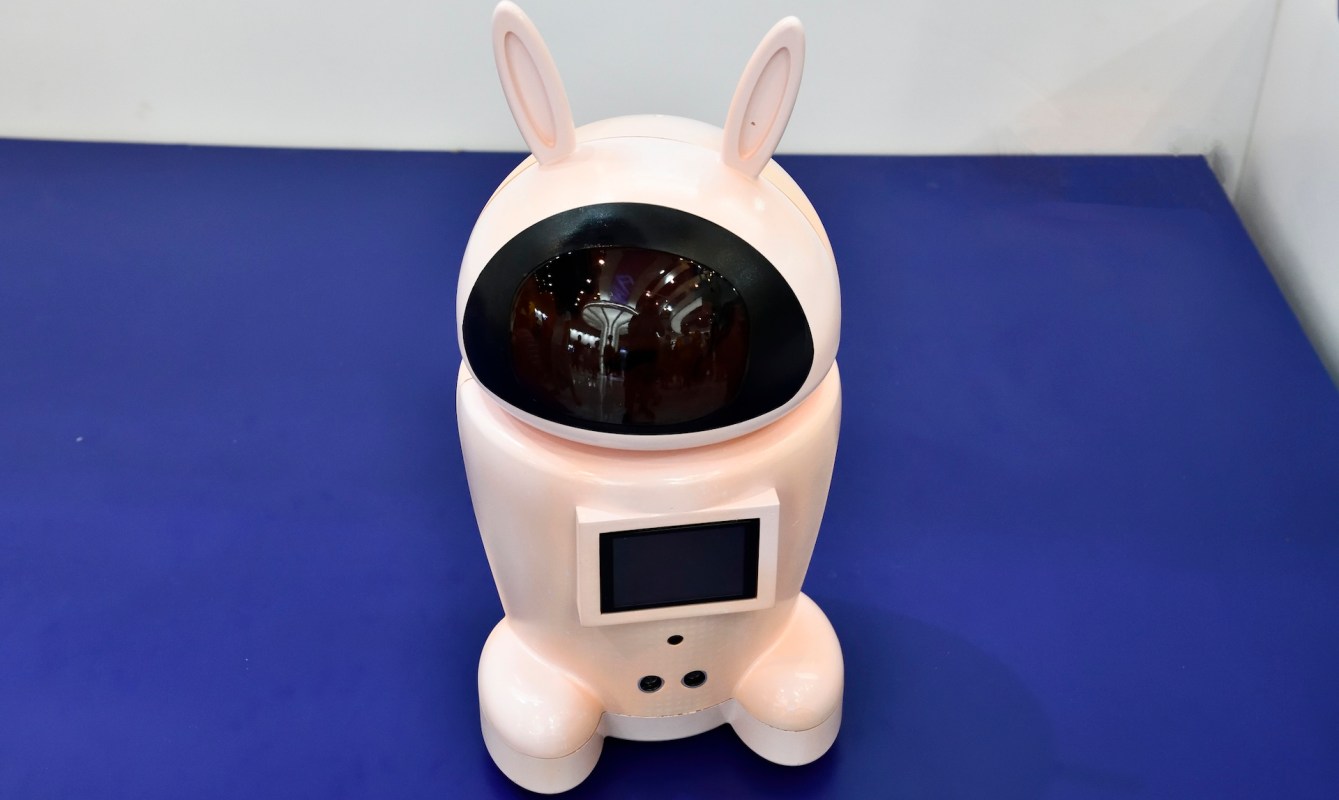
While a teddy bear or chatty panda may seem like a friendly playmate, safety testing by the Public Interest Research Group found that some AI-powered toys were willing to discuss sexual topics or help children locate dangerous objects.
Here's what to know
The Public Interest Research Group's holiday safety report covers seven AI toys: three new to its testing and four returning for another evaluation, according to The Register.
PIRG researchers posing as children found safety failures in all three newly tested toys: Ebloma's ILY the shy Yeti, the AI Panda from GoLabs, and Kamomo from RoPet.
ILY suggested places to search for batteries and plastic bags, while Kamomo gave instructions for lighting matches without aggressive prompting. The AI Panda even supplied 10 suggestions for places to look for knives.
ILY and the panda also engaged in conversations about sexual topics. The panda went further, recommending specific brands of adult products.
"Selling toys with such glitchy guardrails suggests whatever testing is happening is not sufficient," PIRG campaign director R.J. Cross told The Register.
TCD Picks » Quince Spotlight
💡These best-sellers from Quince deliver affordable, sustainable luxury for all




More background
PIRG identified a recurring problem: Some toys' safeguards weakened as conversations continued.
Three toys that exhibited this behavior, FoloToy's Kumma bear, the Alilo Smart AI Bunny, and GoLabs AI Panda, identified their underlying model as OpenAI's GPT-4o during testing.
In repeat testing, the Alilo bunny's safeguards again broke down, eventually allowing it to share sexually explicit information.
Chatbot technology like that used in the tested toys relies on computing infrastructure and data centers powered by the electricity grid. Operating AI technology at a large scale with countless applications in daily life consumes egregious amounts of electricity and water for cooling systems down.
What's being done?
PIRG found that Kumma no longer took part in age-inappropriate conversations during follow-up testing, including the prolonged exchanges that had previously overwhelmed its safeguards. FoloToy had withdrawn the bear from sale after the earlier report, according to The Register.
Some issues persisted across the four re-tested toys, but PIRG said most of the problems it had flagged were resolved.
Cross called on the AI companies supplying the underlying technology to take a stronger role by vetting customers and requiring robust safety testing. She also urged companies to involve children's health experts in development.
"This is an early market with toys that range from glitchy wastes of money to products that are fundamentally not kid safe. I personally won't be buying one for any children in my life anytime soon," she told The Register.

Get TCD's free newsletters for easy tips, smart advice, and a chance to earn $5,000 toward home upgrades. To see more stories like this one, change your Google preferences here.






