


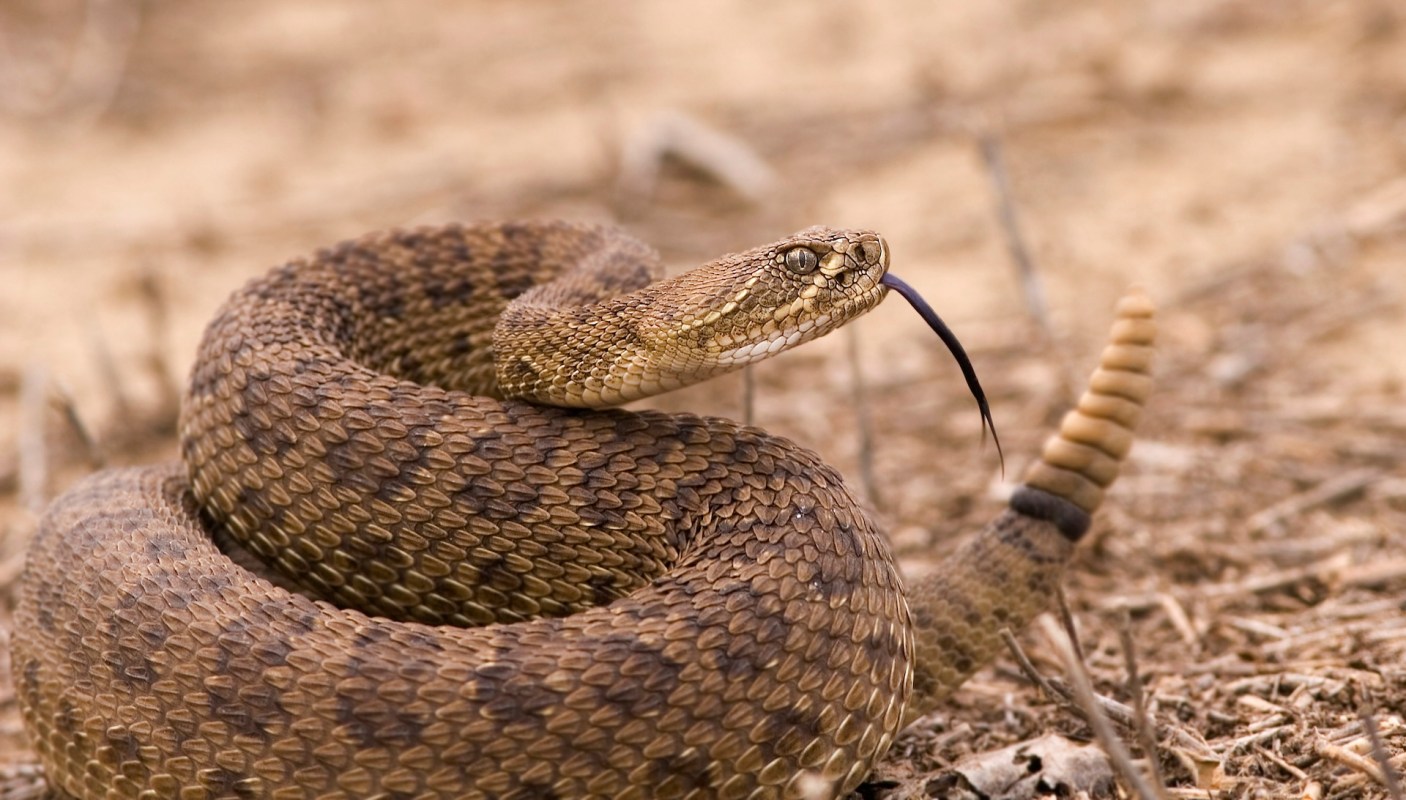
A California study of 48 rattlesnakes is challenging the idea that bigger snakes deliver less venom, while offering a closer look at the reptiles' individual personalities.
Here's what to know
According to Popular Science, Loma Linda University biologist Chelsea Martin and researcher William Hayes tested Pacific rattlesnakes three times over a month.
The scientists used a beaker covered with a membrane to collect and measure venom, giving each snake a chance to bite it.
The study, published in Frontiers in Ethology, examined more than bite frequency, the main focus of earlier experiments.
The results suggested individual behavioral tendencies rather than random variation. For many snakes, differences in venom output, aggressiveness, and willingness to bite were statistically significant and repeatable.
"Larger snakes expended more venom than smaller snakes, as expected given their greater capacity for venom storage," the researchers explained, per Popular Science.
TCD Picks » Quince Spotlight
💡These best-sellers from Quince deliver affordable, sustainable luxury for all




Venom doses did not always match a snake's size, however.
More background
Rattlesnakes' toxin mixture damages cells and interferes with clotting.
Rattlesnakes must replace the venom they use to subdue prey, making it a valuable resource. Using too much venom can deplete the reserves a rattlesnake needs for defense, but using too little can allow prey to escape.
What can be done?
Rattlesnakes generally avoid encounters with larger animals, including people. The researchers stressed that the findings should not be a reason to fear them more.
According to Popular Science, rattlesnakes typically bite during accidental contact with people outdoors. People who are distracted from their surroundings can contribute to these encounters, an important consideration in the broader discussion of why wild animals attack humans, which has been reported on by the BBC.
As the authors warned, per Popular Science, "One practical lesson remains unchanged: No rattlesnake should be approached or handled on the assumption that it will behave predictably. Consistent individual differences do not make any particular snake safe."
"This study gives us a better understanding that reptiles, such as rattlesnakes, are behaviorally complex and have personalities like humans do," Martin said, per Popular Science.

Get TCD's free newsletters for easy tips, smart advice, and a chance to earn $5,000 toward home upgrades. To see more stories like this one, change your Google preferences here.






