


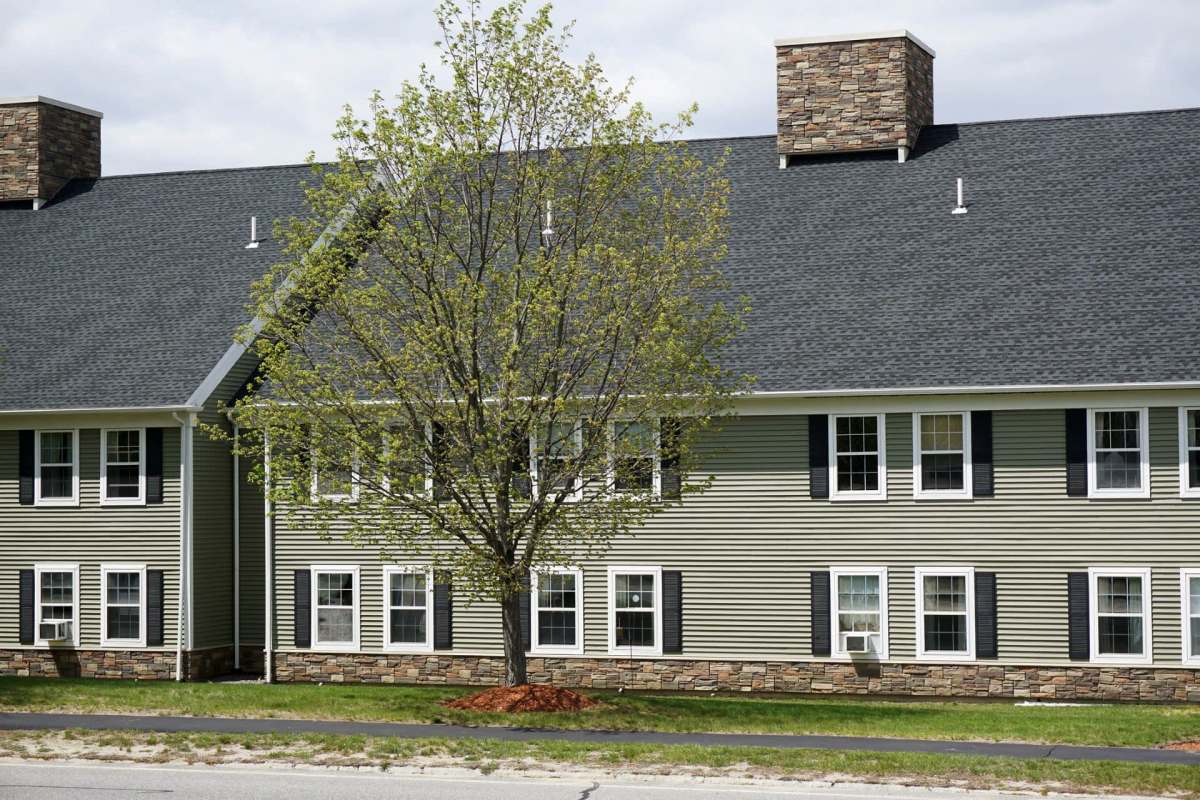
Some Massachusetts families may have to separate to keep their public housing assistance under a newly introduced Trump administration rule.
Advocates estimated the change could displace thousands of people, putting more pressure on the state's already strained affordable housing and shelter systems, WBUR reported.
Here's what to know
Residents of federally funded housing have until March 14 to document their citizenship or lawful immigration status under a U.S. Department of Housing and Urban Development rule.
The rule, introduced on Nov. 12, takes effect Dec. 15.
Mixed-status households in HUD-assisted housing pay a larger, prorated share of rent because subsidies cover only eligible family members. Federal rules have permitted these families to live together since 1995.
HUD's new rule would end that policy.
TCD Picks » Quince Spotlight
💡These best-sellers from Quince deliver affordable, sustainable luxury for all




Scott Turner, the secretary of Housing and Urban Development, framed the agency's goal as reserving subsidized housing for citizens and eligible immigrants. HUD claimed that long waiting lists warranted closer scrutiny of tenants.
HUD also asserted that a joint audit with the Department of Homeland Security found nearly 200,000 tenants with missing or unresolved eligibility checks.
More background
Nearly 1,000 Massachusetts families would be impacted by the rule change, according to estimates from the nonpartisan Center on Budget and Policy Priorities cited by WBUR.
That would rank Massachusetts fourth among states in the number of affected households, behind California, New York, and Texas.
The documentation requirement, however, would impact more than 180,000 Massachusetts households receiving federal housing assistance.
Zafiro Patiño, who leads organizing at the Massachusetts Union of Public Housing Tenants, warned that American citizens could struggle to obtain the documents and submit them before their recertification deadlines.
"That's what we are hearing mainly — that people are going to be afraid of actually revealing these documents, and they are going to self-evict," Patiño told WBUR.
What's being done?
In April, Massachusetts Attorney General Andrea Campbell joined 21 other state attorneys general in sending HUD a letter opposing the changes.
The opposition followed a 2019 attempt by the administration to impose similar requirements. The proposal was reintroduced in February.
Patiño raised concerns about the cost and administrative work involved in enforcing the rule, as well as the risk that families could lose their housing simply because they could not complete the paperwork on time.
Rey Santana, president of Somerville's Mystic Tenants Association, warned that displaced residents would have to turn to affordable housing and shelter programs already struggling to meet rising demand.
"How would they get into these programs when they're already so [overwhelmed by] people who have already been there?" Santana questioned.
With Massachusetts residents already facing spiking housing costs, Santana emphasized that the consequences will extend far beyond the households required to submit documents.
"Even if you're not directly affected, you're still affected by this change."

Get TCD's free newsletters for easy tips, smart advice, and a chance to earn $5,000 toward home upgrades. To see more stories like this one, change your Google preferences here.






