


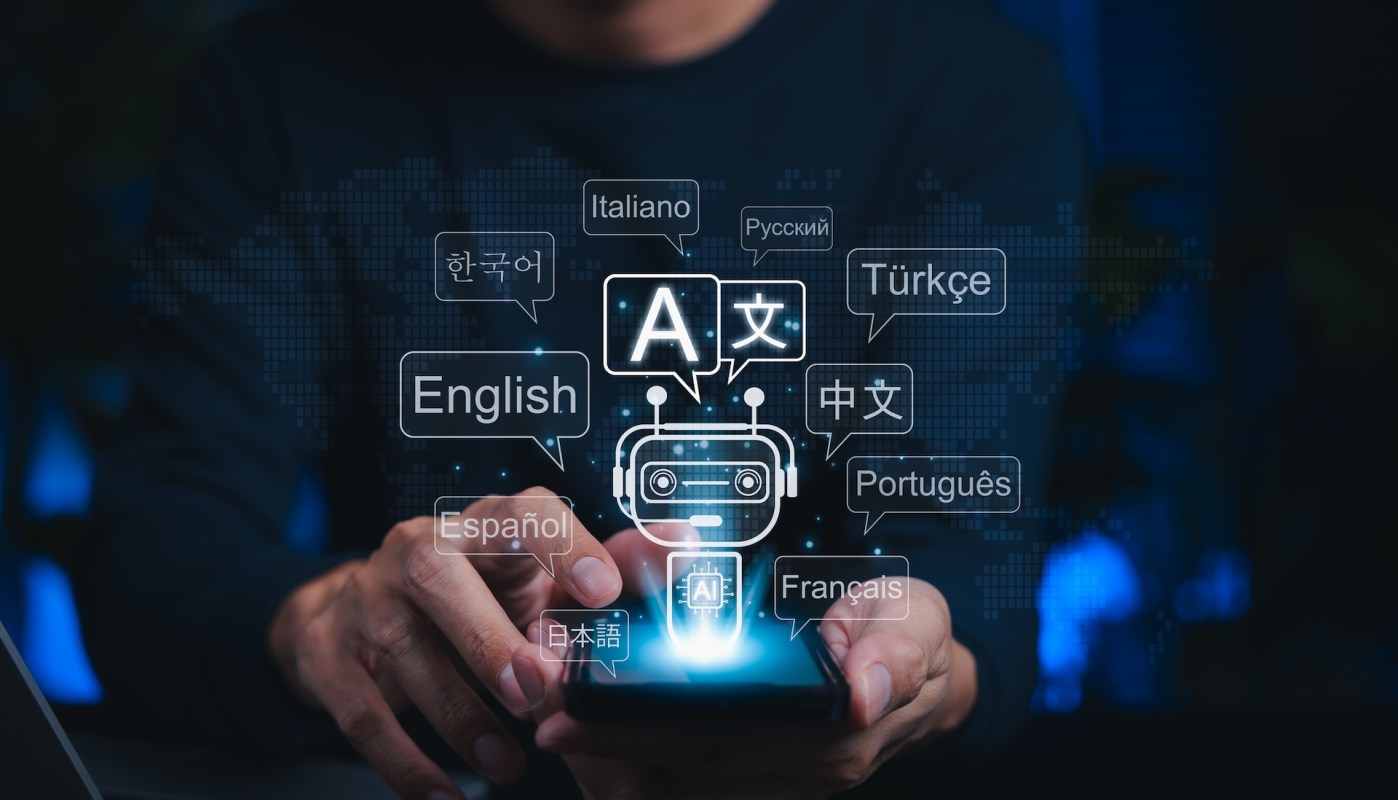
Anxieties about artificial intelligence's growing role in everyday life influenced Cambridge Dictionary's Word of the Year choice: "human."
The dictionary's 2026 Word of the Year beat out "agent" and "analogue" amid questions about humanity's dependence on AI and what we could lose along the way, Euronews reported.
Here's what to know
Questions about identity and creativity — and where people differ from machines — help explain the choice, according to Euronews.
Cambridge's definition of "human" is "having the qualities, faults and feelings that people have, as opposed to gods, animals or machines." The word derives from the Latin "humanus."
Colin McIntosh, Cambridge Dictionary's lexicographer, alluded to broad concerns about delegating our mental work to technology.
"AI is changing how we talk about being human," McIntosh began.
TCD Picks » Quince Spotlight
💡These best-sellers from Quince deliver affordable, sustainable luxury for all




"Fears about what humans may lose when we outsource our thinking have made us reconsider the extent to which we rely on AI: from top mathematicians to teachers of young children."
"Agent" refers to an AI system capable of making decisions and acting independently, while "analogue" covers objects and experiences that involve neither digital technology nor the internet.
More background
The dictionaries' 2023 selections included "AI" from Collins and "hallucinate" from Cambridge.
Cambridge used the latter term to describe artificial intelligence producing false or misleading information.
Merriam-Webster's 2023 choice, "authentic," reflected ongoing questions about what is genuine.
In 2025, the dictionary selected "slop," a slang term for low-quality content generated by AI.
Collins also recognized AI-assisted software development by selecting "vibe coding" for 2025.
What's being done?
Public warnings from prominent thinkers formed part of the backdrop to Cambridge's selection.
The dictionary cited a remark by Geoffrey Hinton, an AI pioneer and Nobel laureate, who is prominent among those voicing urgent concerns.
"We're creating alien beings. I'm willing to be selfish and choose humans," Hinton had said.
University of Cambridge professor Rachel Adams framed the debate as part of long-standing questions about human identity. Adams specializes in human rights and AI governance.
"AI is going to be a profound test for humanity. There's a real risk that it deepens existing inequalities, but it also has the potential to solve them," Adams said.

Get TCD's free newsletters for easy tips, smart advice, and a chance to earn $5,000 toward home upgrades. To see more stories like this one, change your Google preferences here.






