


Pesticides used on farms are turning up inside Iowa homes, adding to concerns about the state's rising cancer rates.
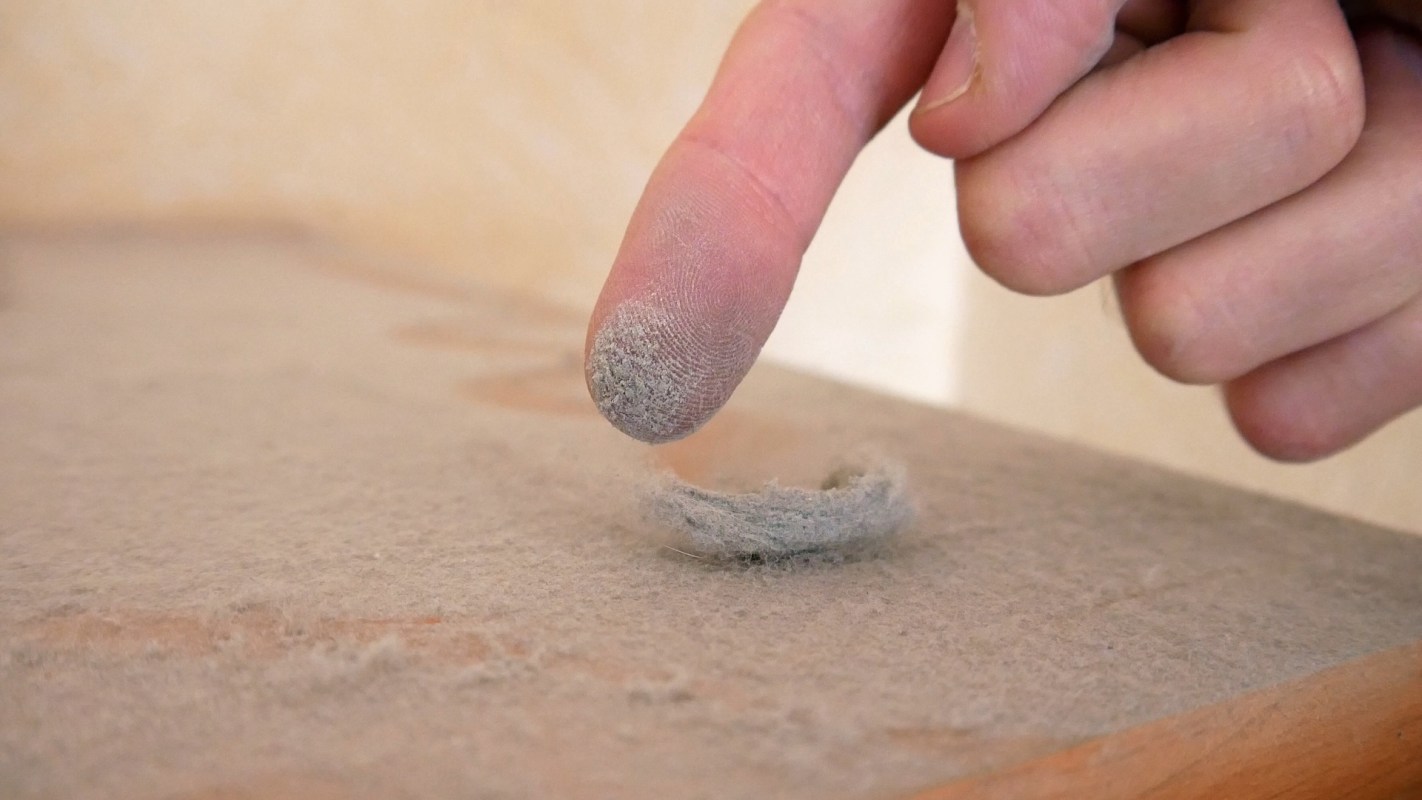
University of Iowa researchers found several pesticides in household dust as part of a broader investigation into agricultural chemicals in waterways, city parks, and school grounds.
Here's what to know
The study examined dust from 28 Iowa homes, leaves from public locations in Iowa City, and water from northeastern Iowa rivers and streams, according to Little Village. It is the first study of its kind from Iowa INSIGHT, a university initiative investigating environmental exposures and human health.
According to the study, almost every leaf sample from parks and elementary school grounds contained pesticides. Atrazine, a weedkiller, appeared in 96% of the samples gathered from late May through mid-August.
Because leaves collect airborne particles, they can help researchers understand how agricultural chemicals travel beyond the places where they are applied.
The study found that atrazine concentrations peaked in early summer, while fungicides appeared most frequently toward the end of the growing season. This pattern follows agricultural practices: Atrazine is applied earlier, while soybean fields often receive fungicides during mid-to-late summer.
TCD Picks » Quince Spotlight
💡These best-sellers from Quince deliver affordable, sustainable luxury for all




More background
Clothianidin, an insecticide that targets insects' nervous systems, appeared in 98% of 193 surface-water samples collected from 2024 to 2026. Another insecticide in the same neonicotinoid family, imidacloprid, appeared in 82% of samples.
According to the study, concentrations often surpassed the Environmental Protection Agency's chronic-toxicity thresholds for aquatic invertebrates, including small stream organisms.
The study also found atrazine in 91% of the 98 water samples tested during 2025 and 2026. According to U.S. Geological Survey estimates, Iowa ranks fourth among states for pesticide use by weight.
Researchers repeatedly found the same chemicals in water, outdoor environments, and homes, often in mixtures.
Iowa INSIGHT noted that research has linked exposure to certain pesticides with nervous-system effects, hormone disruption, and increased cancer risk.
What's being done?
The university's IIHR–Hydroscience and Engineering and Center for Health Effects of Environmental Contamination jointly launched Iowa INSIGHT on July 1, according to Little Village.
Iowa INSIGHT says the initiative aims to clarify which environmental factors might contribute to the state's high cancer rates and other health problems. That work seeks to close gaps in knowledge about how environmental exposures affect residents' health.
Little Village reported that donations from the Roy J. Carver Charitable Trust and the Kyle J. and Sharon Krause Family Foundation fund the program. Its research also covers neurodevelopment, autism-related outcomes, and maternal and newborn health.
Since 2024, the university's Center for Health Effects of Environmental Contamination has also partnered with watershed management agencies in northeastern Iowa to track common pesticides in waterways. By examining leaves and household dust, researchers are expanding that work beyond water quality to other potential exposure sources.
David Cwiertny, the center's director and Iowa INSIGHT lead, said, "Iowa is one of the nation's largest users of pesticides, yet we still have significant gaps in our understanding of where these chemicals end up and how people may be exposed to them."

Get TCD's free newsletters for easy tips, smart advice, and a chance to earn $5,000 toward home upgrades. To see more stories like this one, change your Google preferences here.






