


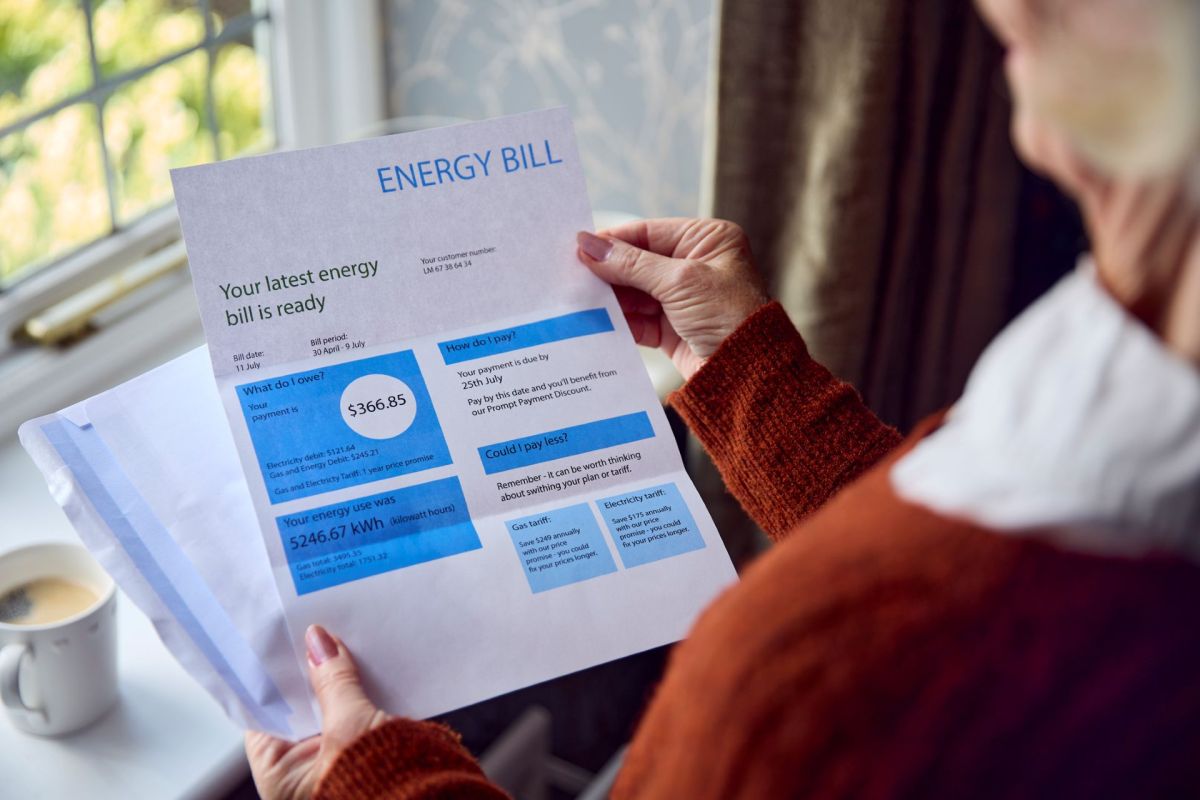
Saving money on electricity may seem straightforward: Use less energy. However, some Texas households may receive an extra charge for not using enough power, which complicates that idea.
Here's what to know
In an audience survey drawing over 1,000 responses, utility expenses were placed ahead of housing among respondents' top budget pressures, according to Secret Dallas.
According to U.S. Bureau of Labor Statistics figures, the Dallas-Fort Worth-Arlington energy category — covering power, gas utility service, and vehicle fuel — increased by 17.4% over the year ending in September 2026.
Overall, consumer prices increased 3% during that period.
Some utility plans come with minimum-usage fees, meaning a customer who doesn't use the minimum amount of energy on a plan may be billed for failing to meet their agreed-upon demand.
When a household's electricity use falls below a plan's threshold, the added charge can undercut the financial incentive to use less power.
TCD Picks » Quince Spotlight
💡These best-sellers from Quince deliver affordable, sustainable luxury for all




Electricity customers can filter out plans with minimum-usage fees through Texas' Power to Choose website.
More background
A customer's service address determines whether they can choose an electricity retailer under Texas deregulation. Eligible customers select the company that supplies their power and handles billing, with Texas' Public Utility Commission overseeing the selection process.
Customers still rely on the same local utility for outage response and maintenance of meters, wires, and poles after switching retailers.
A comparison site's Nov. 16 listing for one North Texas ZIP code showed 114 plans, with per-kilowatt-hour prices spanning roughly 7.1 to 20.65 cents.
A household using 700 kWh may pay more than a plan's advertised pricing at 1,000 kWh suggests if it no longer qualifies for a bill credit. Several of the lowest advertised rates required customers to reach certain usage levels to receive those credits.
What can be done?
Some contracts renew automatically, and customers can end up paying a different rate when a contract expires. Before shopping for another plan, review your contract's expiration date and renewal terms, and check whether its introductory rate has ended.
On Power to Choose, customers can use their ZIP code to find offers, narrow them by contract duration and type, and exclude minimum-usage fees, according to Secret Dallas. Reviewing past bills can help you gauge typical monthly consumption and compare plans more effectively.
Each plan's Electricity Facts Label provides average pricing for three consumption levels: 500, 1,000, and 2,000 kWh. Use the figure nearest your household's typical consumption to compare plans, and check each offer's renewable content, renewal rules, base charges, and early termination fees.
Wholesale-price changes can make variable rates fluctuate, especially during hot months. Fixed-rate plans, by contrast, keep the per-kWh charge unchanged for the contract's duration.
Provider review scores and complaint volume are also worth considering. Renters whose landlords handle electricity should review their leases before shopping for a plan.
For a budgeting reference, 1,000 kWh at an average of 15 cents per kWh would cost about $150, excluding taxes and charges not reflected in the average.

Get TCD's free newsletters for easy tips, smart advice, and a chance to earn $5,000 toward home upgrades. To see more stories like this one, change your Google preferences here.






