


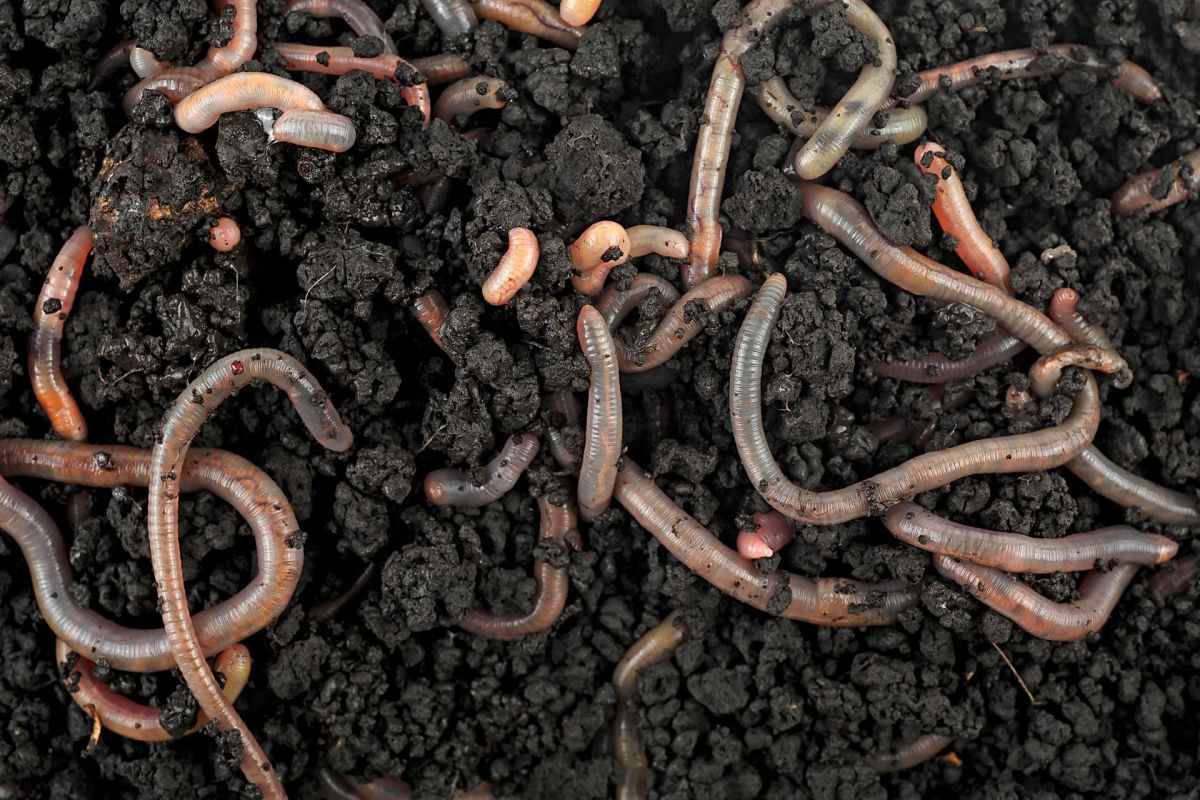
A plant-based plastic marketed as biodegradable left a troubling mark on microscopic worms: Microplastics from a 3D-printed object reduced their fertility. The findings add a biological concern to the waste generated by a material offered as an alternative to petroleum-based plastics.
Here's what to know
Researchers at St. Mary's University exposed Caenorhabditis elegans to particles from a polylactic acid-based 3D-printing project.
The worms' lifespan did not change, despite a decline in fertility and changes to their gonad structure.
St. Mary's students and alumni contributed to the peer-reviewed study. Pollutants, an international, open-access journal covering environmental pollution, published it in its November 2026 issue.
Researchers took a closer look at polylactic acid because it is marketed as a plant-based substitute for petroleum-based materials used in 3D printing.
"Many people assume that bio-based plastics are inherently safe because they are marketed as sustainable alternatives," said Jennifer Harr, associate professor of biological sciences and director of St. Mary's Forensic Science Program.
TCD Picks » Quince Spotlight
💡These best-sellers from Quince deliver affordable, sustainable luxury for all




More background
C. elegans helps scientists investigate how environmental exposures affect living organisms. Its high genetic similarity to humans makes it useful for studying human development, health, and disease.
Scientists have already reported finding microplastics in human bodies and blood. These tiny particles form as plastic debris breaks down into smaller and smaller pieces.
Exposure to microplastics combined with pesticides, plastic additives, and other environmental chemicals can cause stress and harm the worms' health and development, the team found in earlier work.
Di-butyl phthalate, a solvent and plasticizer used in cosmetics, adhesives, and paints, was the focus of a related paper in Microplastics. Published in December 2025, that study examined how microplastics deliver the chemical.
What's being done?
The National Institutes of Health awarded Harr $669,951 in 2024 for four years of research, according to St. Mary's University. The latest study continues that program's investigation into the biological effects of microplastics and environmental chemicals.
The collaboration includes students studying chemistry, biological sciences, environmental sciences and sustainability, and forensic science-biology.
Harr described how students applied their classroom training and brought different skills to a shared research question, helping the university better understand the waste these materials generate.
"Our findings show that when these materials break down into microplastics, they can still have measurable biological effects. As the use of 3D printing and bioplastics continues to expand, understanding the consequences of the waste they generate is increasingly important," Harr said.

Get TCD's free newsletters for easy tips, smart advice, and a chance to earn $5,000 toward home upgrades. To see more stories like this one, change your Google preferences here.






