


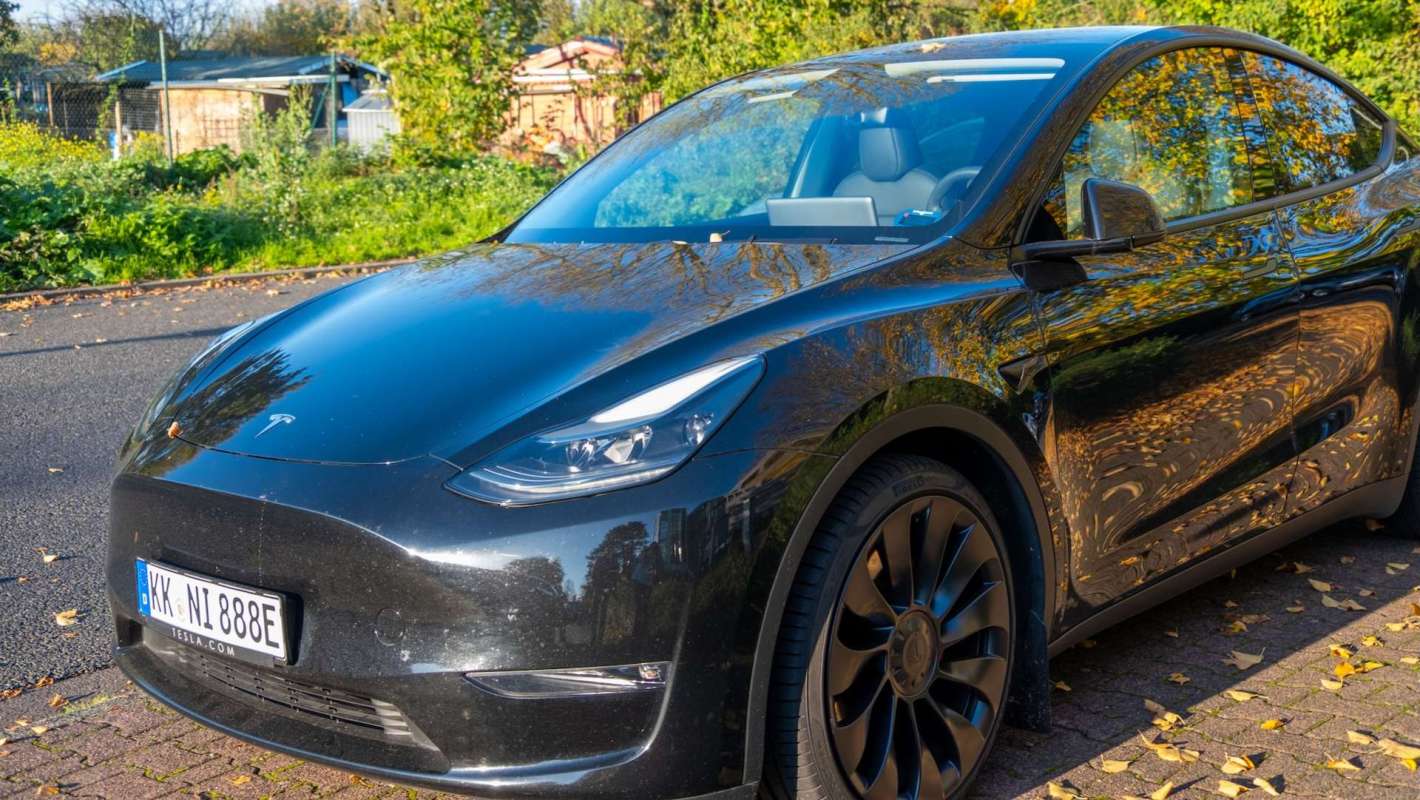
German safety inspections recorded a 17.3% failure rate for young Tesla Model Ys, even though Consumer Reports gave the model its highest reliability rating among electric vehicles.
Even when an electric vehicle's powertrain performs well, other components can leave owners facing costly repairs.
Here's what to know
Content creator Shayan (@shayan_ev) compared four automotive scoreboards in a YouTube video. He identifies himself as an EV battery management and charging systems engineer.
Shayan got into the apparent disconnect between the results.
He explained: "So which one is wrong? Neither. They're both measuring something real. They're just measuring very different things."
Tesla climbed eight places to ninth in Consumer Reports' brand reliability rankings, according to him, while the Model Y received the highest reliability rating among EVs. The organization's December 2025 findings were based on owner-reported problems from about 380,000 vehicles.
TCD Picks » Quince Spotlight
💡These best-sellers from Quince deliver affordable, sustainable luxury for all




The Model Y's 17.3% significant-defect failure rate among two- to three-year-old vehicles exceeded the 6.5% average in Germany's TÜV Report 2026. Published in November 2025, that report drew on roughly 9.5 million inspections.
The Model Y's last-place finish among more than 100 similarly aged models raises concerns about repair costs and passing mandatory inspections. Axle suspension, brake discs, and lights were the main sources of problems inspectors found.
More background
Regenerative braking helps explain the brake-disc problem. Bare cast-iron brake discs can rust if they remain wet and unused. Regenerative braking reduces reliance on those conventional friction brakes because the motor slows the vehicle and sends energy back to the battery.
TÜV pointed to design and maintenance gaps because other cars with mileage similar to the Model Y's performed better. The association acknowledged that inspected Model Ys averaged about 34,000 miles (55,000 kilometers), above the 28,000 miles (45,000 kilometers) typical for their age group. Shayan also cited TÜV's findings of worn Model Y suspension joints.
Commenters emphasized that different countries have varying standards for what constitutes a safety issue.
Breakdown records from ADAC, Germany's roadside-assistance organization, favored EVs over gasoline-powered cars at every age studied. In J.D. Power's new-EV owner satisfaction rankings, the top two spots went to the Model 3 and Model Y, respectively.
Figures from battery-health company Recurrent also showed that fewer than 4% of tracked EVs had needed replacement batteries outside major recalls.
What can be done?
Shayan urged drivers not to let regeneration handle every stop, recommending deliberate use of friction brakes as a free way to protect the discs. Drivers should choose safe road and traffic conditions for any deliberate braking. Tesla's manual recommends frequent brake pedal use to help dry the pads and discs.
Tesla's guidance exempts Model Ys built after February 2025 from brake-caliper lubrication. For vehicles driven on salted roads, the company recommends cleaning and lubricating the calipers annually or every 12,500 miles.
Shayan also urged owners to investigate suspension clunks or uneven tire wear, check the lights each month, and stick to scheduled tire rotations.
Before buying a used EV, shoppers can look for potential problems by checking recalls with the vehicle identification number, assessing battery health, and having the brakes and suspension inspected.
One commenter described a helpful move for their Fiat Doblo.
"Thanks to a good mechanic I started deliberate braking with a 'service interval' of once a week, just to keep those disks clean," they wrote.

Get TCD's free newsletters for easy tips, smart advice, and a chance to earn $5,000 toward home upgrades. To see more stories like this one, change your Google preferences here.






