


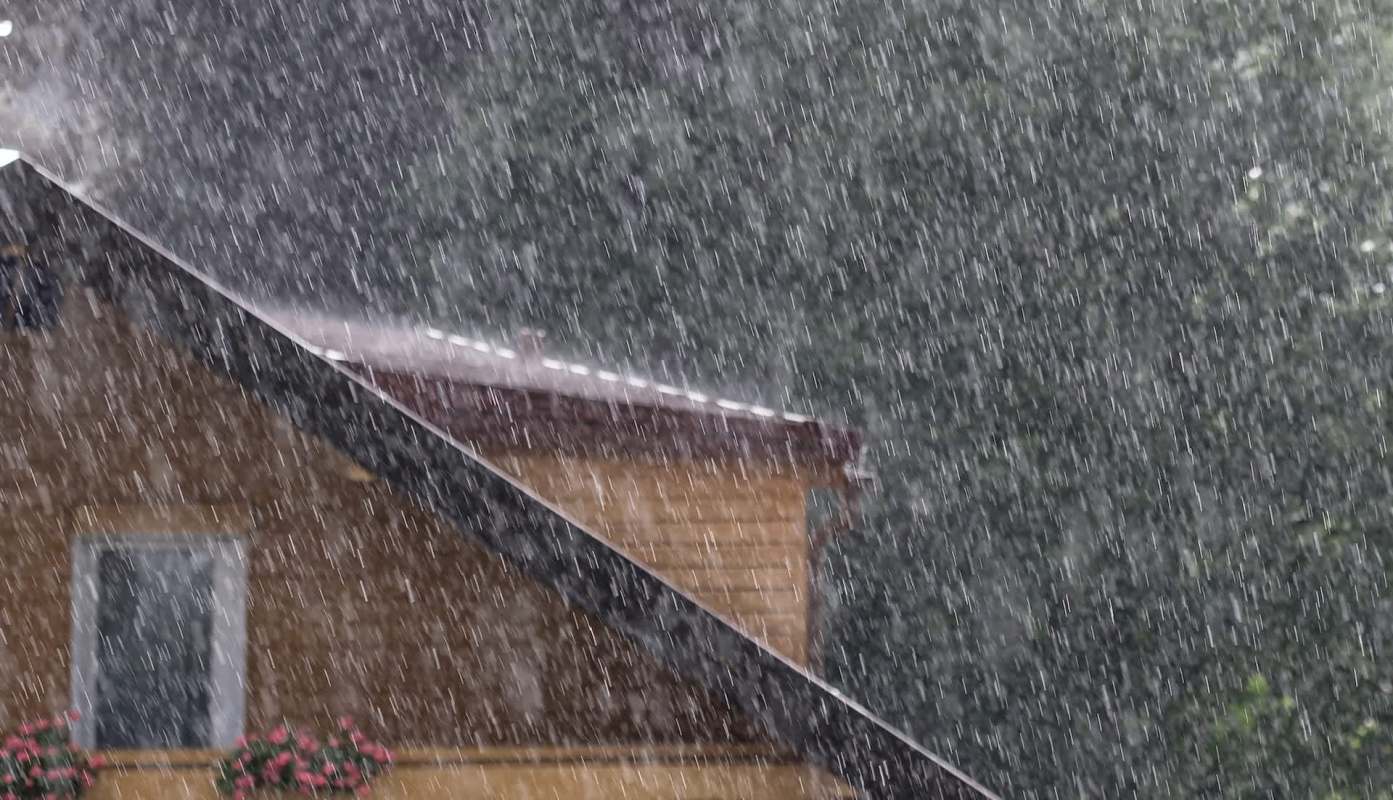
Government officials are urging Congress to update the federal maps that determine flood insurance requirements in West Virginia, stating that current maps leave out the state's leading cause of flooding: heavy rainfall.
That gap, left unclosed, could leave vulnerable households to rebuild without coverage.
Here's what to know
More than a third of West Virginia properties are in high-risk flood zones, yet fewer than 2% carry flood insurance, according to a Government Accountability Office report covered by Mountain State Spotlight.
The West Virginia Geographic Information System Technical Center identified 22 counties with high flood risk. Based on the GAO's 2024 analysis, only Louisiana has a bigger percentage of high-risk properties.
Most high-risk properties are not subject to the federal flood insurance mandate. The requirement applies to homeowners with federally backed mortgages whose homes fall within Special Flood Hazard Areas designated by the Federal Emergency Management Agency.
More background
Congress established the National Flood Insurance Program in 1968 to insure flood-exposed properties and set floodplain management standards, per Mountain State Spotlight. It provides federally supported coverage to homeowners who do not purchase private flood insurance.
TCD Picks » Quince Spotlight
💡These best-sellers from Quince deliver affordable, sustainable luxury for all




West Virginia lost more than 41% of its NFIP policies from 2009 to 2025, the GAO reported. The state has a median income 26% below the national median.
FEMA started phasing in risk-based premiums in 2021, and as prices rose, many households dropped their coverage.
According to a letter shared by U.S. Sen. Shelley Moore Capito, an opponent of the change, premiums in West Virginia increased 176%, with roughly 600 households dropping coverage, Mountain State Spotlight noted.
The GAO found that coverage generally helps households recover more quickly.
What's being done?
Adding heavy-rainfall risks to FEMA's maps could extend insurance requirements to vulnerable properties outside the current boundaries. The GAO recommended that Congress direct FEMA to account for more causes of flooding in its maps.
The GAO also recommended that FEMA be required to make flood-risk data available for individual properties and to require lenders to ensure homeowners obtain a flood insurance quote, according to Mountain State Spotlight.
The agency is concerned that some uninsured homeowners may not know how vulnerable their properties are.
Other recommendations have awaited action for years. In 2021, the GAO urged Congress to improve the flood-risk information used to determine which households should be required to carry insurance.
A 2023 recommendation included removing barriers to private flood insurance to give homeowners access to coverage outside the federal program, Mountain State Spotlight reported.
A separate 2023 recommendation focused on the cost of mandatory coverage, calling for financial aid tied to what homeowners can afford.
Congress has not acted on those recommendations.

Get TCD's free newsletters for easy tips, smart advice, and a chance to earn $5,000 toward home upgrades. To see more stories like this one, change your Google preferences here.






