


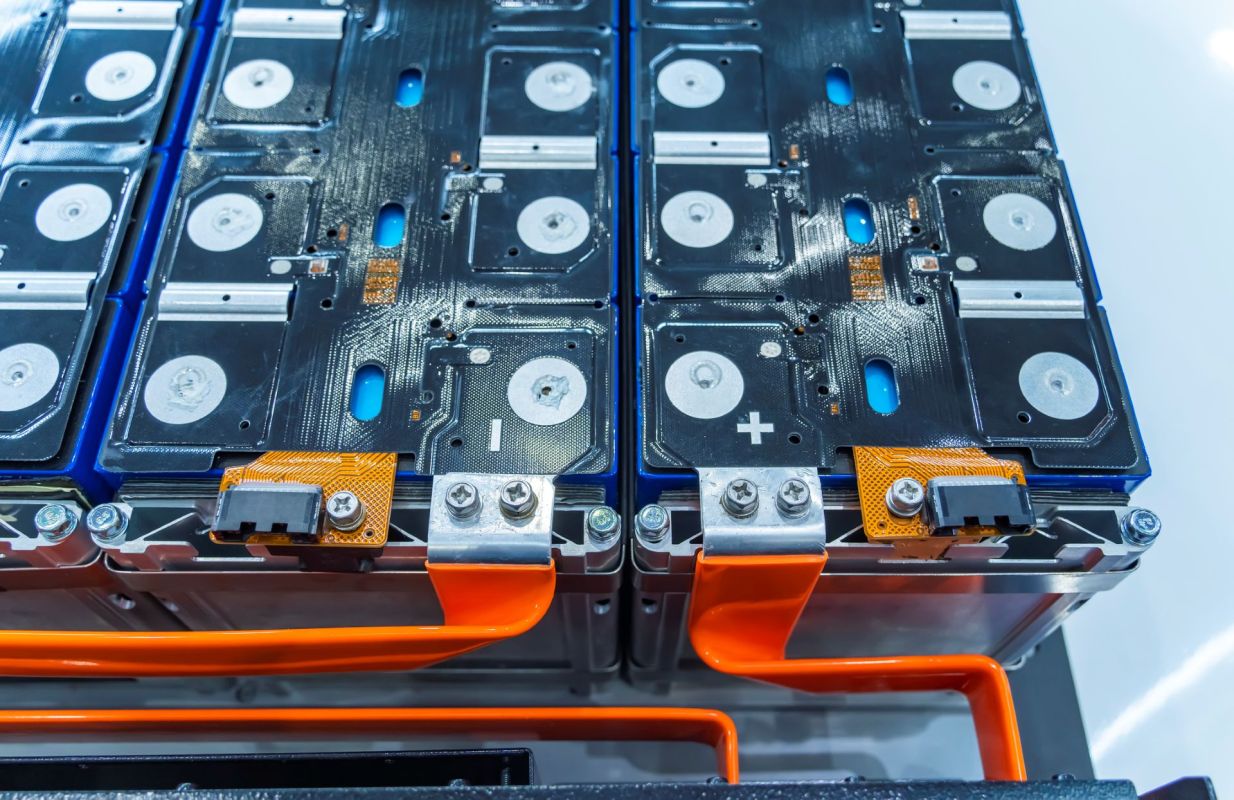
Europe's next generation of electric vehicle batteries could draw on essential metals recovered at a new recycling plant in France, and processing the materials there could keep them from being shipped overseas.
Veolia's facility will recover metals from battery waste and return them to European industries, reducing the need to extract more raw materials, Interesting Engineering reported.
Here's what to know
Veolia plans to process roughly 7,700 U.S. tons (7,000 metric tons) of "black mass" annually at its facility in France's Grand Est region.
Shredding spent batteries produces this dark, granular powder.
The plant's expected intake corresponds to about 22,000 U.S. tons (20,000 metric tons) of used batteries, per Interesting Engineering.
Compared with conventional high-heat smelting (pyrometallurgy), Veolia's proprietary chemical-based hydrometallurgy process requires less heat and electricity. It recovers over 90% of the cobalt, nickel, and copper in the powder.
TCD Picks » Quince Spotlight
💡These best-sellers from Quince deliver affordable, sustainable luxury for all




The plant will receive battery waste from Switzerland, France, and the United Kingdom, and the recovered minerals will be suitable for European battery manufacturing.
More background
The geographic concentration of mining can exacerbate supply tensions for critical minerals used in EV batteries.
Along with plastics and solvents, these batteries contain lithium, cobalt, copper, manganese, and nickel. Europe exports large quantities of black mass to Asia as overseas processors compete intensely for the material, Interesting Engineering noted.
Europe is projected to have nearly 772,000 U.S. tons (700,000 metric tons) of batteries reach end-of-life over a five-year period.
Those batteries contain recoverable strategic metals valued at over €1 billion ($1 billion), offering manufacturers a substantial source of materials closer to home.
Europe's automotive, construction, and defense sectors will use metals recovered at the plant.
Processing used batteries also limits toxic waste and carbon pollution.
What's being done?
European battery rules are helping create demand for the materials Veolia will recover.
By 2036, new batteries must contain 26% recycled cobalt, 15% recycled nickel, and 12% recycled lithium. The rules also require 95% recovery of cobalt, copper, and nickel during recycling, along with 80% for lithium by 2031.
To supply the French facility, Veolia is developing battery-dismantling projects in Belgium, Slovenia, and the United Kingdom.
Grand Est Region President Franck Leroy sees the investment as an opportunity to strengthen local industry and European energy sovereignty.
The Circular Economy Act and the EU Battery Regulation are also intended to keep recovered resources flowing into European factories.
European Commission Executive Vice President Stéphane Séjourné detailed the dependency the plant aims to address.
"For too long, Europe has watched its strategic raw materials leave the continent, only to import finished products from elsewhere. We must break free from this cycle of dependency," Séjourné began.
"This new plant in the Grand Est region is 'Made in Europe' in action: resources recycled in Europe, processed in Europe, to power our batteries in Europe."

Get TCD's free newsletters for easy tips, smart advice, and a chance to earn $5,000 toward home upgrades. To see more stories like this one, change your Google preferences here.






