


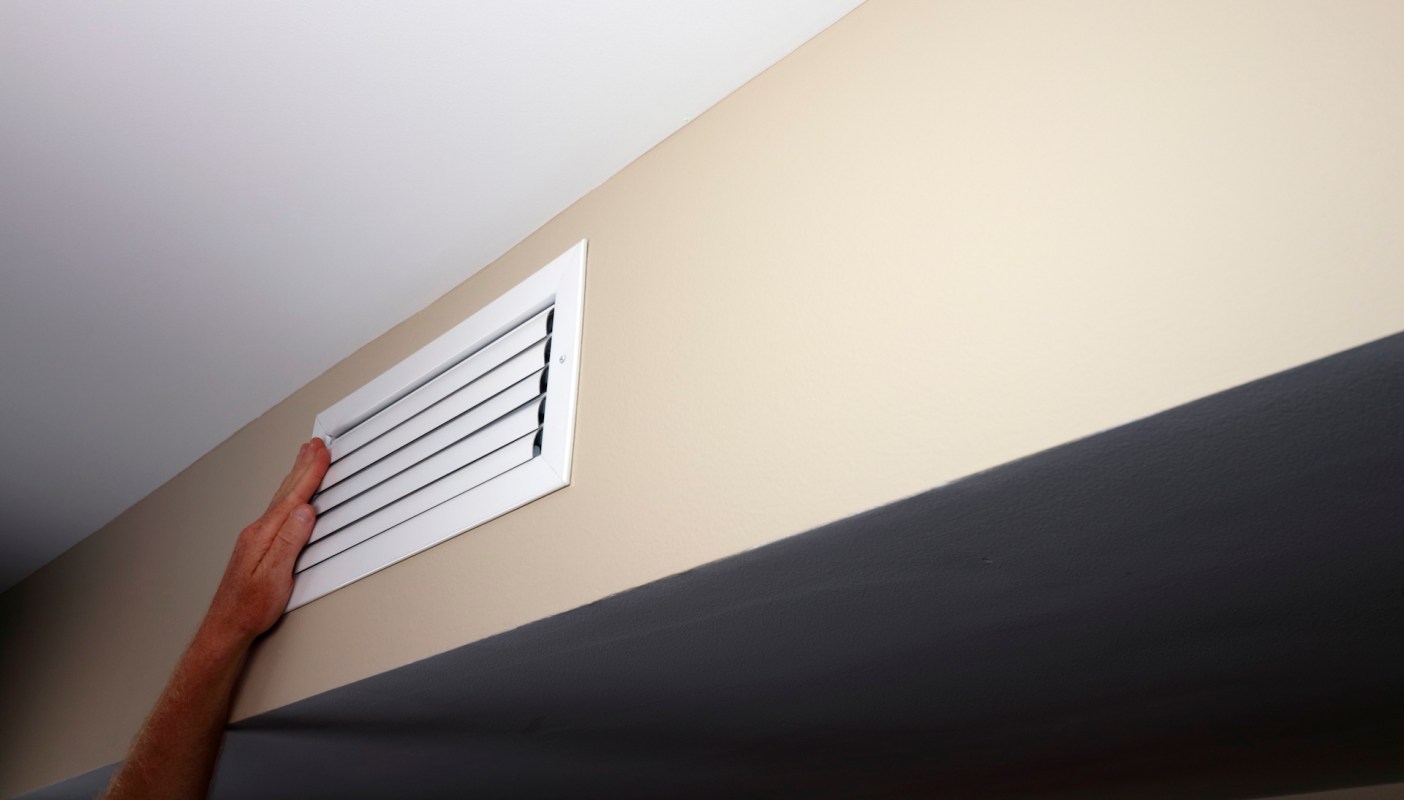
HVAC professionals warn that closing vents in unused rooms can raise utility bills and strain equipment, rather than deliver the easy savings homeowners might expect.
Here's what to know
According to SheKnows, a home's heating system can lose efficiency when closed supply vents restrict airflow and increase pressure in the ducts.
"When you close vents in unused rooms, airflow becomes unbalanced, which creates additional pressure in the ductwork," HVAC company Reiner Lead Service Director Andrew Hulsebos explained to Homes & Gardens, which was later cited by SheKnows.
According to the U.S. Department of Energy, system efficiency drops noticeably when more than one-fifth of a home's vents are closed. The increased pressure can leave the system working harder to reach the thermostat's target temperature.
More background
Closing vents can worsen air loss through leaky ductwork thanks to the higher pressure. HVAC sources and Department of Energy information put typical losses of conditioned air through ductwork leaks at 20% to 30%, SheKnows reported.
House Digest identified other potential consequences of shutting vents in unoccupied rooms, including mold growth and, in some cases, equipment failures. According to Thumbtack, ductwork repairs can cost upward of $500.
TCD Picks » Quince Spotlight
💡These best-sellers from Quince deliver affordable, sustainable luxury for all




The Department of Energy estimates that a clogged HVAC filter adds 15% to energy consumption. Replacing a dirty filter, meanwhile, can cut energy costs by 5% to 15%, according to Service Experts' Tom Essig, SheKnows noted.
What can be done?
Reopening closed supply vents, especially if several rooms have been shut off, addresses the airflow restriction Hulsebos described without requiring new equipment or a repair appointment.
Essig also recommended a two-minute filter check: Remove the filter and hold it toward a light source. If no light passes through, it is time for a replacement.
For homeowners looking to save through temperature adjustments, Hunker suggested reducing a usual 72-degree setting by four degrees, or dialing it down by 7 to 10 degrees over an eight-hour period to save on gas, according to SheKnows.
If bills remain unusually high after reopening vents and checking the filter, an HVAC technician can check for pressure problems and ductwork leaks.
Randy Huckstadt, who owns Cool Runnings Heating & Air Conditioning LLC and works as a JustAnswer service technician, advised keeping air moving freely, SheKnows reported.
Huckstadt also told The Spruce, "In simple terms, closing vents is like closing off ramps on a short freeway system: all you do is create a traffic jam or clog."

Get TCD's free newsletters for easy tips, smart advice, and a chance to earn $5,000 toward home upgrades. To see more stories like this one, change your Google preferences here.






