


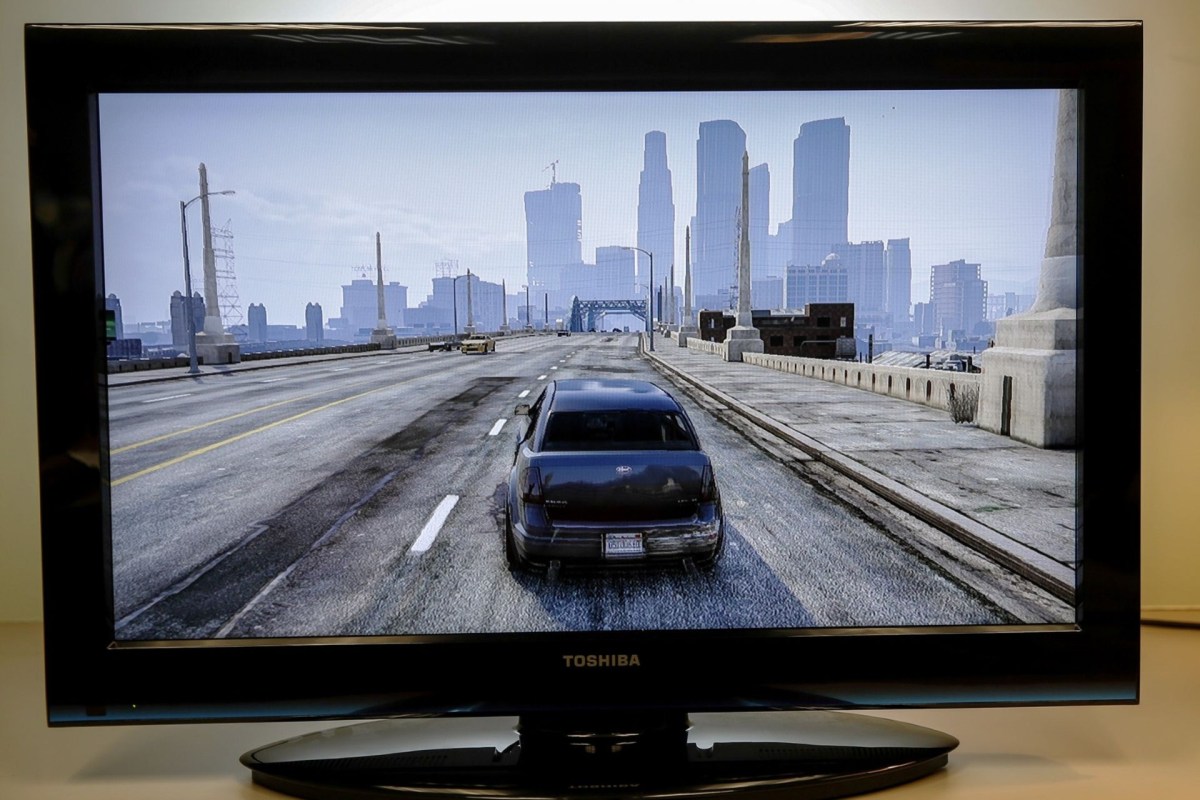
Grand Theft Auto VI just released on Thursday, but scientists have been at work in its predecessor for a more serious purpose than stealing cars and causing chaos.
Instead, they have been using the fictional setting of Los Santos in Grand Theft Auto V to illustrate the threat of rising seas and the coastal changes warmer temperatures could bring to the real city of Los Angeles.
Here's what to know
GTA V's landscape supplied the elevation data for the coastal-flooding model in a study published in Geoscience Communication, as Gizmodo reported.
The study's researchers compared two possible futures: one with strong action to limit warming and another with high levels of planet-warming pollution and far fewer efforts to curb it.
The team simulated flooding in 2100, 2300, and 2500, both with and without storm surges. For the storm-surge simulations, researchers added 62.6 inches of water — matching the Los Angeles tide gauge's record still-water measurement.
The game's detailed, Los Angeles-inspired geography allowed researchers to show how rising water could transform streets, beaches, and neighborhoods that millions of players have explored.
TCD Picks » Quince Spotlight
💡These best-sellers from Quince deliver affordable, sustainable luxury for all




More background
In the high-emissions simulation, the marina and beaches of Los Santos slowly went underwater. The city's port, wastewater-treatment facilities, and coastal-energy facilities were eventually submerged as well.
The virtual flooding patterns also closely resembled the results of scientific evaluations of Los Angeles itself. That similarity suggested the game's landscape was geographically accurate enough to help people visualize coastal risks.
The destruction caused by a wildfire or hurricane can be easier to picture than the gradual advance of rising seas. Yet rising sea levels threaten millions of coastal residents worldwide.
What's being done?
With lower carbon pollution, flooding would be comparatively minor, and major infrastructure would escape inundation through 2300.
Study co-author Hugues Lantuit, a researcher at the Alfred Wegener Institute, said in a statement, "Although climate change affects us humans directly, it is often difficult to convey the spatial reality of these impacts to a wider audience. Abstract figures, maps and model projections of sea-level rise in centimeters or meters rarely convey the human impact of a flooded neighborhood or a familiar landmark."
Lead author Paul Nörenberg, a researcher in environmental sciences and geography at the University of Potsdam, was quoted, "If this familiar, personally explored virtual landscape changes, players can engage with the effects of climate change on an emotional level. This can bridge a gap in a way that conventional visualizations, such as models or maps, struggle to achieve."

Get TCD's free newsletters for easy tips, smart advice, and a chance to earn $5,000 toward home upgrades. To see more stories like this one, change your Google preferences here.






