


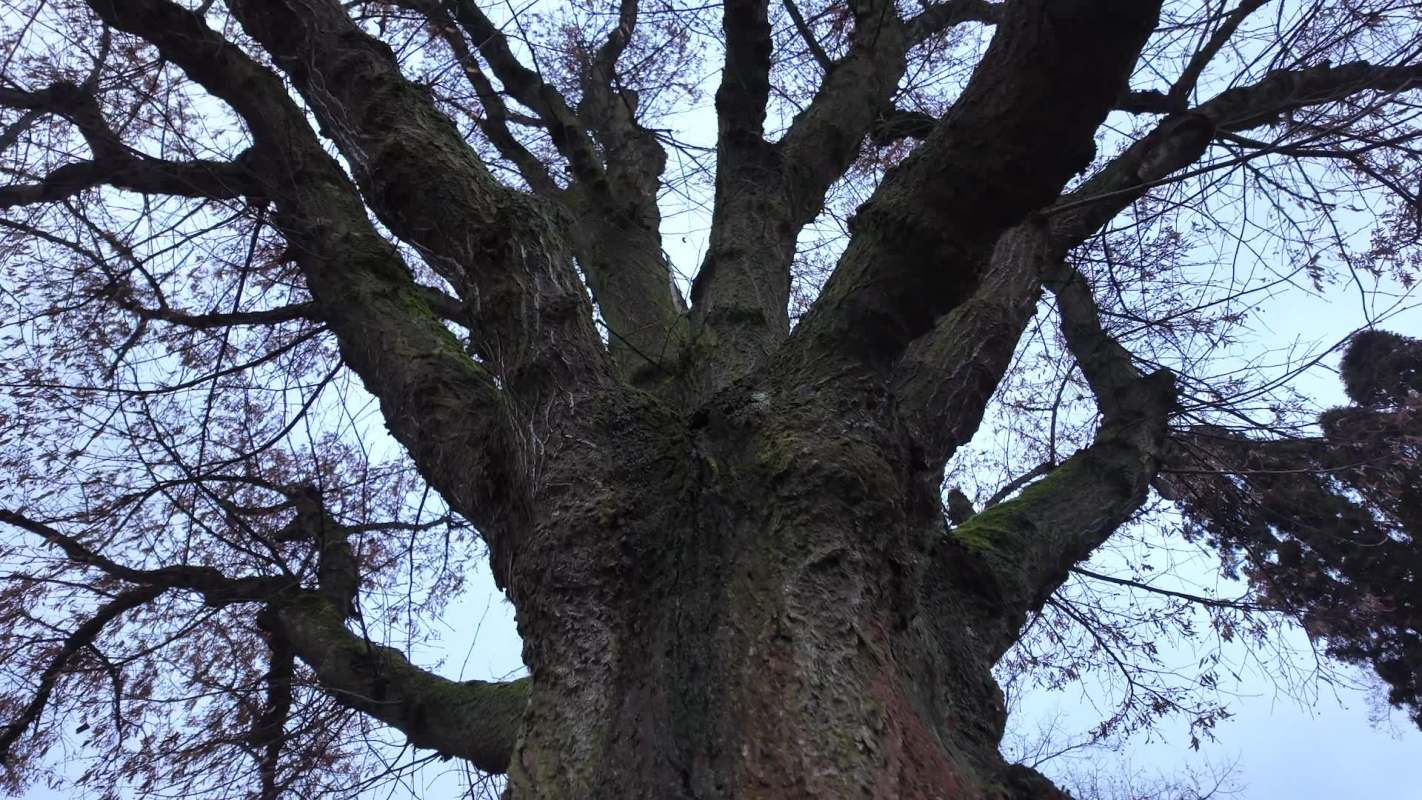
A clearing that shocked residents helped spur new protections for large trees in one coastal Maine town.
Removing a heritage tree from commercial property in Scarborough now comes with a five-tree replacement requirement.
Here's what to know
The Town Council's amendments establish two categories of protected trees on commercial land, according to the Portland Press Herald.
Removing a tree classified as "significant" requires planting 2.5 replacements. The classification covers non-invasive trees measuring at least 24 inches in diameter at breast height, per the newspaper.
A five-to-one replacement obligation applies when developers remove rather than preserve a heritage tree. According to the Press Herald, trees qualify for that designation by reaching 60 inches in diameter or meeting additional criteria.
Roadside protections previously varied. Many main roads required buffers of 25 to 35 feet, while some other streets required none. The amendments establish a 20-foot buffer along most streets.
TCD Picks » Quince Spotlight
💡These best-sellers from Quince deliver affordable, sustainable luxury for all




For homeowners removing a large backyard tree, neither the replacement ratios nor the new roadside buffer applies. Those requirements govern commercial properties only, the paper noted.
More background
The push for stronger tree protections drew momentum from residents' response to clearing done years ago for the development of the Nonesuch River Apartments.
The words "shocked and horrified by how it looks" captured the reaction of every resident Averyl Hill had encountered, she told councilors, according to the Press Herald.
No tree buffer had been required at the site under the previous ordinance, Hill said. Despite residents' reactions, the clearing had complied with the rules at the time.
The council's 2026 goals included curbing tree removal associated with new commercial construction.
What's being done?
An earlier version of the new rules would have imposed tighter restrictions.
Under amendments proposed by outgoing Councilor Lawrence Cain, buffer-strip trees may stand 20 feet apart instead of 15. His changes also moved the minimum diameter for a "significant" tree from 20 to 24 inches, according to the Press Herald.
Cain argued for giving owners "more leeway," saying "too many tree-based restrictions could devalue properties." For certain new developments, the planning board can also reduce the street-buffer requirement by up to 10 feet, the paper noted.
Councilor Karin Schupe described the new rules as "years in the making."
The amendments could help building projects be "done thoughtfully and in an environmentally friendly manner," Schupe said, according to the Press Herald. She pointed to the importance of protecting Scarborough's marsh, beaches, and natural landmarks.

Get TCD's free newsletters for easy tips, smart advice, and a chance to earn $5,000 toward home upgrades. To see more stories like this one, change your Google preferences here.







