


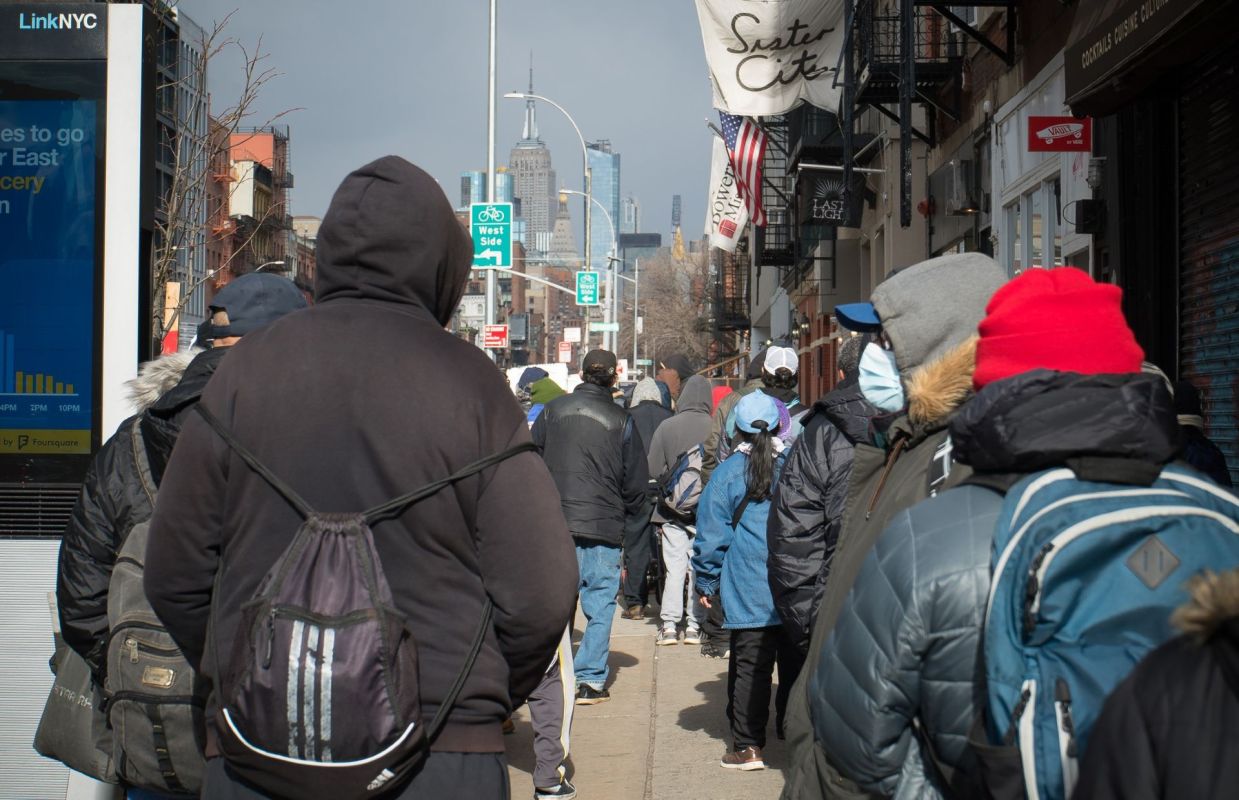
Steady work didn't guarantee enough food on the table for many New Yorkers last year.
Full-time workers made up 39% of the 1.3 million pantry visitors citywide, according to a report from the Robin Hood Foundation.
Here's what to know
Gothamist reported food pantry use rose slightly from 2024 to 2025, with 15% of New Yorkers utilizing the services.
Robin Hood, an anti-poverty organization, put the share of pantry users working part-time at 12%, with another 4% living with an employed spouse or partner. Most other visitors were either at least 65 or out of work for health reasons.
"Work really isn't a guarantee against hunger," Sarah Oltmans, Robin Hood's chief of grant strategy, told Gothamist.
"Many New Yorkers are working. About 55% are either working themselves or living with a family member who works, and they're still having a hard time making ends meet."
TCD Picks » Quince Spotlight
💡These best-sellers from Quince deliver affordable, sustainable luxury for all




A lost job, a drop in income, or a sudden major expense had disrupted the finances of nearly half of pantry visitors, Robin Hood's report found.
About a third of New Yorkers went without enough food in 2025 or feared they would.
More background
Meanwhile, under the Trump administration, residents across the U.S. have been hit by cuts to the federal Supplemental Nutrition Assistance Program, or SNAP.
City figures show more than 26,500 New Yorkers were dropped from their monthly food assistance under the program's new rules, while fewer households are signing up for it.
At the same time, federal changes to Medicaid could leave people without public health insurance and families with even less to cover basic needs, emergency food advocates have warned. They have also warned that conditions could worsen once new SNAP changes are fully in place.
What's being done?
Robin Hood's report indicated that food pantries not only help New Yorkers access critical nutrition but also work their way out of poverty.
"We're seeing that pantries are really filling these gaps that the paychecks aren't able to," Oltmans told Gothamist.
Leslie Gordon, CEO of the hunger relief organization Food Bank For New York City, told the local news outlet that the organization was seeing people accumulate more credit card debt. Residents were also borrowing money, turning to friends and relatives, and skipping meals, she explained.
"By the time individuals and/or households turn to our food assistance network, they've already exhausted a lot of these other coping strategies," Gordon said.

Get TCD's free newsletters for easy tips, smart advice, and a chance to earn $5,000 toward home upgrades. To see more stories like this one, change your Google preferences here.







