


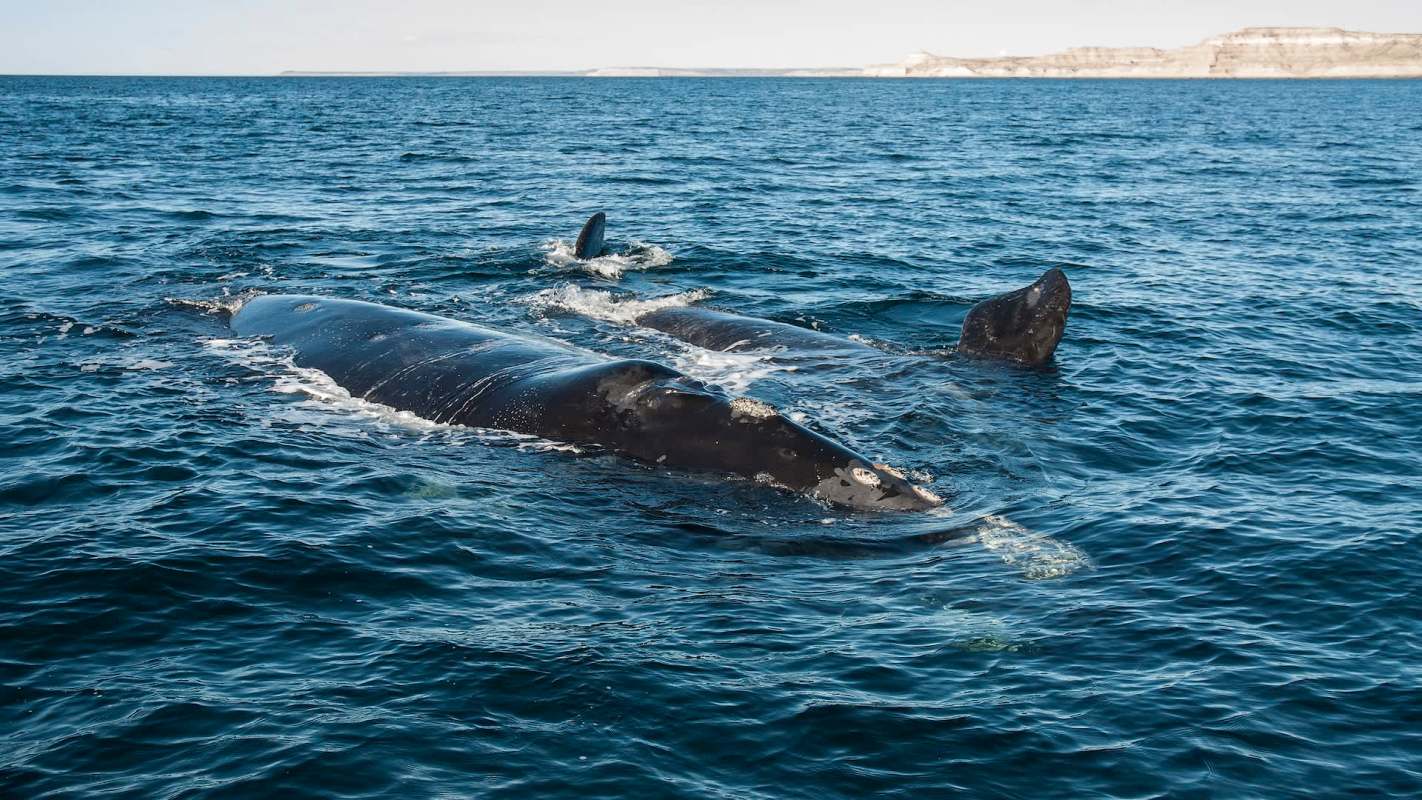
With only about 382 North Atlantic right whales remaining, deaths linked to fishing gear and vessel collisions continue to threaten the endangered population's survival.
Here's what to know
Scientists at the Anderson Cabot Center for Ocean Life at the New England Aquarium and the National Oceanic and Atmospheric Administration conducted the 2025 census. It recorded a decline of about 1.8% from 2024 — seven fewer whales — according to Mongabay.
Researchers counted 24 calves, the most since 2009, and three first-time mothers. The number of reproductive-age females was unchanged at 73.
But right whales typically begin reproducing around age 10, according to Mongabay, so those calves must survive years of hazards before they can help rebuild the population.
The North Atlantic Right Whale Consortium brings together researchers, conservationists, fishing and shipping representatives, and government agencies whose decisions help determine whether the whales can survive alongside ocean industries. The group released the findings at its annual gathering in Halifax, Canada.
More background
Fishing gear and vessel traffic have hindered the whales' recovery despite a hunting ban in place since 1935, according to Mongabay. Commercial whaling had reduced the population from an estimated 9,000 to 21,000 animals to no more than 100 by the 1890s.
TCD Picks » Quince Spotlight
💡These best-sellers from Quince deliver affordable, sustainable luxury for all




The NOAA estimates that more than 85% of these whales have experienced at least one fishing-gear entanglement, with about 60% experiencing it multiple times.
Ropes attached to traps and gillnets can cut into blubber and bone as whales drag the equipment for hundreds of miles. Their migration routes also take them near major East Coast ports, where vessel collisions can cause fatal injuries.
Along with threatening whales' immediate survival, entanglement-related stress and injuries may contribute to longer gaps between pregnancies. Females have been giving birth every seven to 10 years, compared with a normal interval of three, Mongabay reported.
What's being done?
Existing U.S. rules require vessels longer than 65 feet to slow to 10 knots in designated seasonal management areas. In March 2026, the NOAA announced plans to amend those rules using alternative management areas and technology-based collision-avoidance measures.
Heather Pettis, who leads the Anderson Cabot Center's right whale research program, opposed weakening the restrictions.
"We know that that rule has been effective in places and in times when it's in effect … that's disappointing to roll back what we know is working," Pettis said, according to Mongabay.
Meanwhile, the U.S. House passed H.R.9436 in 2026, which would allow new rules governing some lobster- and crab-fishing equipment to be postponed from 2028 until 2035. The bill then went to the Senate.
Pettis warned that extending the pause could halt ongoing talks among researchers, conservation advocates, and industry representatives about whale protection and fisheries support.
"These whales will do what it takes, that is within their control," Pettis said. " It is on us as users of the oceans to allow them to do what they need to do and do it successfully."

Get TCD's free newsletters for easy tips, smart advice, and a chance to earn $5,000 toward home upgrades. To see more stories like this one, change your Google preferences here.







