


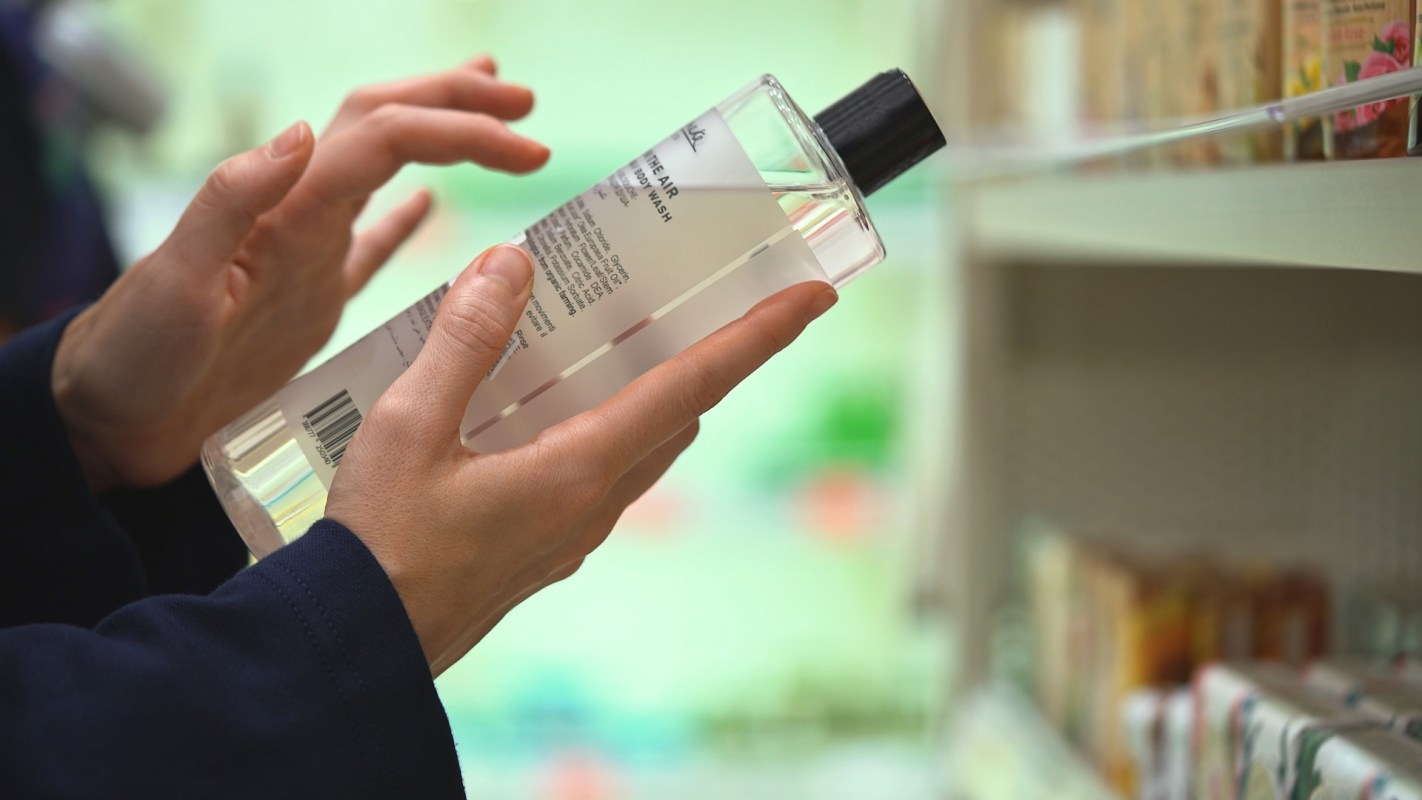
Shampoo and shower gel makers face an October 17, 2027, deadline to remove certain intentionally added microplastics from products sold in the European Union, an effort to keep the persistent particles from washing into the environment.
Here's what to know
EU regulation sets different compliance deadlines for product categories covered by restrictions on intentionally added microplastics. The EU adopted it in September 2023, with staggered deadlines such as 2027's for companies to comply, according to Mundo Deportivo.
Manufacturers can continue selling affected shampoos, shower gels, and other rinse-off cosmetics in the EU after the deadline by reformulating products that contain the covered particles.
A product's ingredients and intended use determine how the requirements apply. The restrictions cover certain microscopic synthetic polymer particles, particularly those that are neither water-soluble nor readily biodegradable.
The regulation also includes exemptions and restricts covered ingredients in affected personal care products.
More background
Food, drinks, soil, and water have all been found to contain microplastics. Those findings have raised concerns among European authorities about how widespread the particles are, according to Mundo Deportivo.
TCD Picks » Quince Spotlight
💡These best-sellers from Quince deliver affordable, sustainable luxury for all




Everyday products can contain deliberately added microplastics. Other tiny particles form when larger pieces of plastic waste break down.
Removing microplastics can require manufacturers to change how they make cosmetics and personal care products. The particles may serve several purposes in those formulas, from stabilizing them to adjusting texture or producing a particular effect.
These particles enter the environment when someone rinses off a formula containing them, and removing them is extremely difficult.
What's being done?
Plastic microbeads used for cleaning, exfoliation, or polishing were banned immediately when the EU's microplastics restrictions took effect on October 17, 2023, according to Mundo Deportivo.
Manufacturers have time to develop less-polluting alternatives under the phased approach. For other rinse-off cosmetics, that transition period ends in October 2027.
October 2029 is the general compliance deadline for microplastics in cosmetics left on the skin and particles used to encapsulate fragrances.
The EU's phased restrictions set a later compliance deadline, extending to 2035, for makeup, lip products, and nail cosmetics.

Get TCD's free newsletters for easy tips, smart advice, and a chance to earn $5,000 toward home upgrades. To see more stories like this one, change your Google preferences here.






