


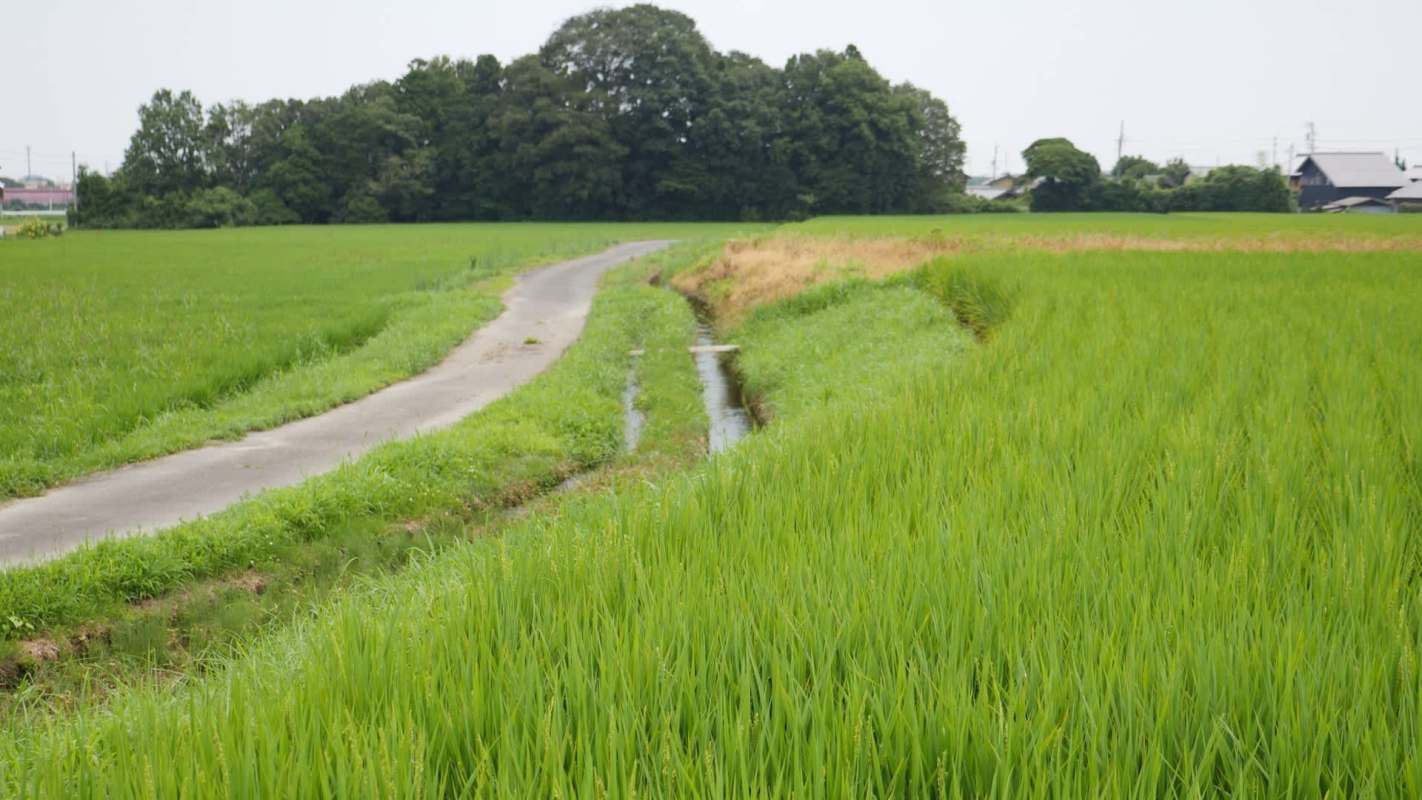
Farmers in Osaki, Japan, are turning to a familiar part of the landscape to help protect their community from flooding: rice fields.
Here's what to know
More than 5,000 compact earthen barriers hold excess water in the paddies and slow its flow toward nearby rivers.
Farmers and local officials installed the barriers together, Osaki city officials told Mongabay.
Osaki began installing paddy dams in 2021 alongside farming organizations and prefectural authorities.
The installations cover 20% of the city's paddy land, or about 4,200 acres.
The paddy-dam initiative responds to river embankment failures during heavy rains. Those failures flooded the northeastern agricultural community in 2015, 2019, and 2022.
TCD Picks » Quince Spotlight
💡These best-sellers from Quince deliver affordable, sustainable luxury for all




Rice fields can absorb rainfall and hold water within the raised ridges used for cultivation. The dams fit into the fields' drainage holes, and their smaller openings slow the release of water.
The Japan Meteorological Agency has indicated that climate change is making heavy rainfall more frequent and more intense across Japan.
More background
Osaki's farmers have spent generations managing water in a landscape that is both fertile and challenging.
Mountains rise to the west, while rivers cross a plain vulnerable to droughts, cold summers, and flooding. The community has relied on engineered river embankments for 300 years and has used paddies for flood control since around the 1960s, Osaki city officials said.
Government figures cited by Mongabay put Japan's agricultural land at 10.4 million acres in 2025, including 5.7 million acres of rice paddies.
Total farmland is down 30% from the early 1960s, with aging farmers and labor shortages contributing to abandonment.
Keeping paddies intact also preserves wildlife habitat. Research cited by Mongabay indicates that Japan's rice fields support an estimated 5,000 species when agricultural chemicals aren't overused.
Osaki's internationally recognized wetlands, for example, shelter migratory geese while helping retain floodwater.
What's being done?
Across Japan, officials are incorporating agricultural land into watershed-wide flood planning as researchers warn that concrete dams and levees alone may not provide enough protection.
Niigata Prefecture, the country's leading rice-producing region, has used paddy dams for over 20 years.
Shiga Prefecture, meanwhile, established a flood management office in 2006 and uses a location-based "site safety level" system to evaluate flood risks and prepare responses. The government considers disaster mitigation part of its climate adaptation strategy.
In Toyooka City, citizens and officials restored abandoned paddies as wetlands for the endangered Oriental white stork, Tokushima University associate professor Yota Imai explained.
By removing vegetation and rebuilding levees, they improved water storage while creating conditions for the birds' prey.
Osaki City is looking to use its 2017 Globally Important Agricultural Heritage System designation to increase farmers' incomes and attract people to the area.
"Maintaining paddy fields is crucial for the conservation of biodiversity, and it's important to ensure farmers can make a living from them through various initiatives," Motoyuki Miyake, who serves on Osaki's GIAHS secretariat, told Mongabay.

Get TCD's free newsletters for easy tips, smart advice, and a chance to earn $5,000 toward home upgrades. To see more stories like this one, change your Google preferences here.







