


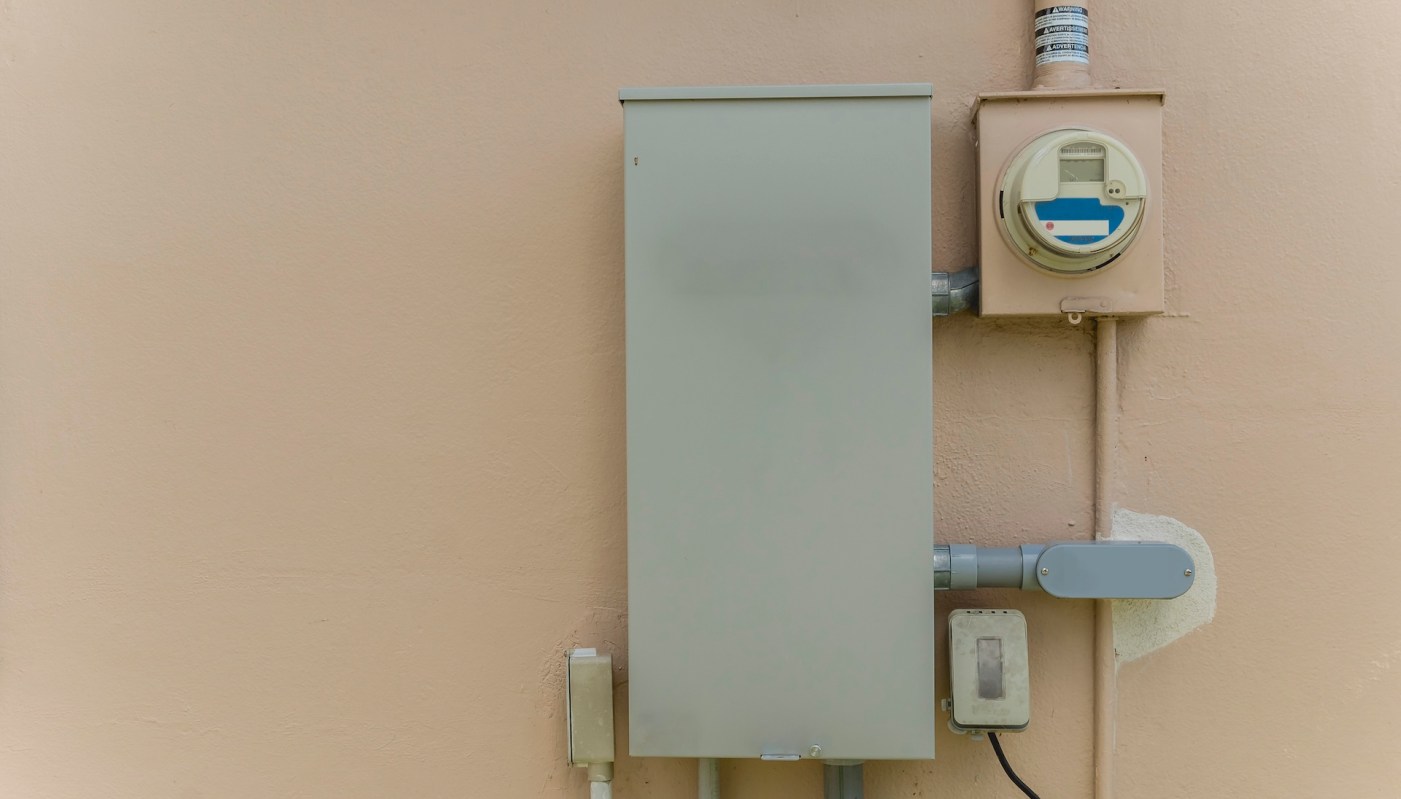
The electrical panel in a Tennessee resident's bedroom has become a practical obstacle to planning another battery purchase. Hoping to rely less on the power grid, the resident wants to know where the new equipment could go.
Here's what to know
In a Reddit post, the resident explained that they already use two power stations for different purposes. A River 2 Max powers lights in a shop without electrical service, while a Delta 3 Ultra provides backup during outages.
"I'm thinking about getting the Delta Pro Ultra to reduce my dependency on the grid," they wrote. "I do not currently have a transfer switch. My panel is in a bedroom."
They wanted to know from there if the new equipment could go in the spare bedroom, and whether a transfer switch would have to live where the panel was.
One commenter asked what additional capability the resident needed. They specifically asked whether they wanted the Delta Pro Ultra's 240-volt output or more than 3,600 watts of output.
The original poster never ended up clarifying on that front.
TCD Picks » Quince Spotlight
💡These best-sellers from Quince deliver affordable, sustainable luxury for all




More background
The same commenter, who owns a Delta Pro Ultra, described the unit as large but quiet. They chalked that up to its reliance on a heatsink.
"The fans are barely audible," they wrote. "As for the transfer switch, I will let an electrician answer. I rely on a secondary panel which is in the same room as my primary panel."
That didn't add a definitive answer to the original poster's question, but it could still reassure them that the poster described it as "awesome" and "one of the quietest units on the market."
What can be done?
One commenter described how they kept their power station away from the electrical panel when space nearby was limited.
"I put my transfer switch next to my panel and ran a 50-foot cord that plugs into the ultra, that I keep across the basement," they wrote.
While that worked for them, the original poster would have to examine what Tennessee electrical requirements allow.
That was probably the main takeaway from the discussion: The original poster could probably make it work, but might need new equipment to comply with local regulations. An electrician could get them pointed in the right direction.
In the meantime, it seemed like they had chosen a good product for what they were looking to do, based on other users' feedback.

Get TCD's free newsletters for easy tips, smart advice, and a chance to earn $5,000 toward home upgrades. To see more stories like this one, change your Google preferences here.






