


The United States has officially lost its measles elimination status, and nearly 100 outbreaks have driven U.S. measles cases past 7,000, undoing decades of public health progress.
Here's what to know
A Nov. 17 declaration from the Pan American Health Organization designated measles as endemic in the United States, Science News reported.
Measles has spread continuously for more than a year. That finding came from analyses tracing infections from the West Texas outbreak through the first half of 2026.
More than 90% of infections occurred in people who were unvaccinated or whose vaccination history was unknown. The outlet cited figures from the Centers for Disease Control and Prevention: nearly 2,300 cases in 2025 and 5,412 through Nov. 12, 2026.
The CDC recognized a total of nine deaths linked to the virus, but states have reported 13 deaths.
During a Nov. 9 university webinar, Jennifer Nuzzo, an epidemiologist at Brown University's School of Public Health, discussed the reversal.
TCD Picks » Quince Spotlight
💡These best-sellers from Quince deliver affordable, sustainable luxury for all




"To lose [elimination status] means we're going backwards… meaning decades of progress lost," she said. "It's an indicator of our lack of protection. It is an indicator of our lack of preparedness for disease threats in general."
More background
Vaccination against measles, mumps, and rubella helped the U.S. achieve measles elimination status in 2000. However, preventing outbreaks requires vaccination coverage of at least 95% within a community.
However, according to CDC figures, only about 92% of U.S. kindergarteners received the vaccine in 2025; that figure was 95% in 2019.
Misinformation, including the disproven claim that vaccines cause autism, has eroded confidence in the vaccine, despite decades of evidence supporting its safety and effectiveness.
A survey from the University of Pennsylvania's Annenberg Public Policy Center found that confidence in MMR vaccine safety among U.S. adults fell from 86% in 2024 to 83% in 2025.
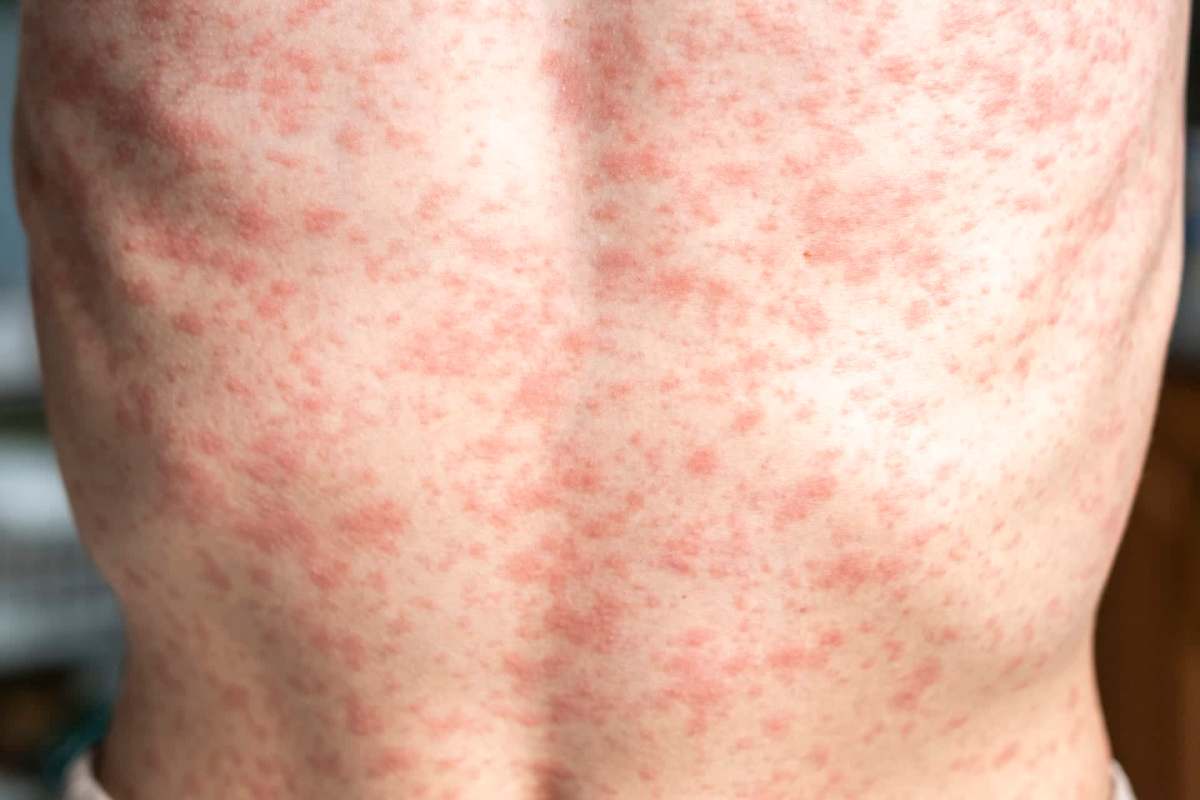
For roughly one in five people with measles, complications such as pneumonia and brain swelling can occur, requiring hospital care. Fever and rash are among the disease's symptoms.
Children under age 5, adults over age 20, pregnant people, and infants face heightened risks.
What's being done?
State and local health departments are working to contain the outbreaks, though those efforts can be costly.
By September, states had received at least $50 million from the CDC for measles response. New Mexico's response to a 2025 outbreak linked to West Texas cost an estimated $5.4 million.
Epidemiologists Siyu Chen and Ana Bento reported that simulations using data from 50,000 schools identified vulnerable schools even in counties where vaccination coverage approached 95%.
Catch-up campaigns and community outreach could target those gaps.
Families in outbreak areas can also discuss vaccination options with their pediatricians. According to Science News, infants can receive an additional MMR vaccination at 6 months, and children can receive dose two just one month after dose one instead of waiting until kindergarten age.
Adults with just one previous dose can also receive a booster.
Extensive vaccination campaigns helped Venezuela and Brazil regain their elimination status after losing it in 2017 and 2019, respectively.
Nuzzo cited those successes as a reason for hope in the U.S.
"It is not hopeless," she said. "It can be done, and I hope it will be done."

Get TCD's free newsletters for easy tips, smart advice, and a chance to earn $5,000 toward home upgrades. To see more stories like this one, change your Google preferences here.






