


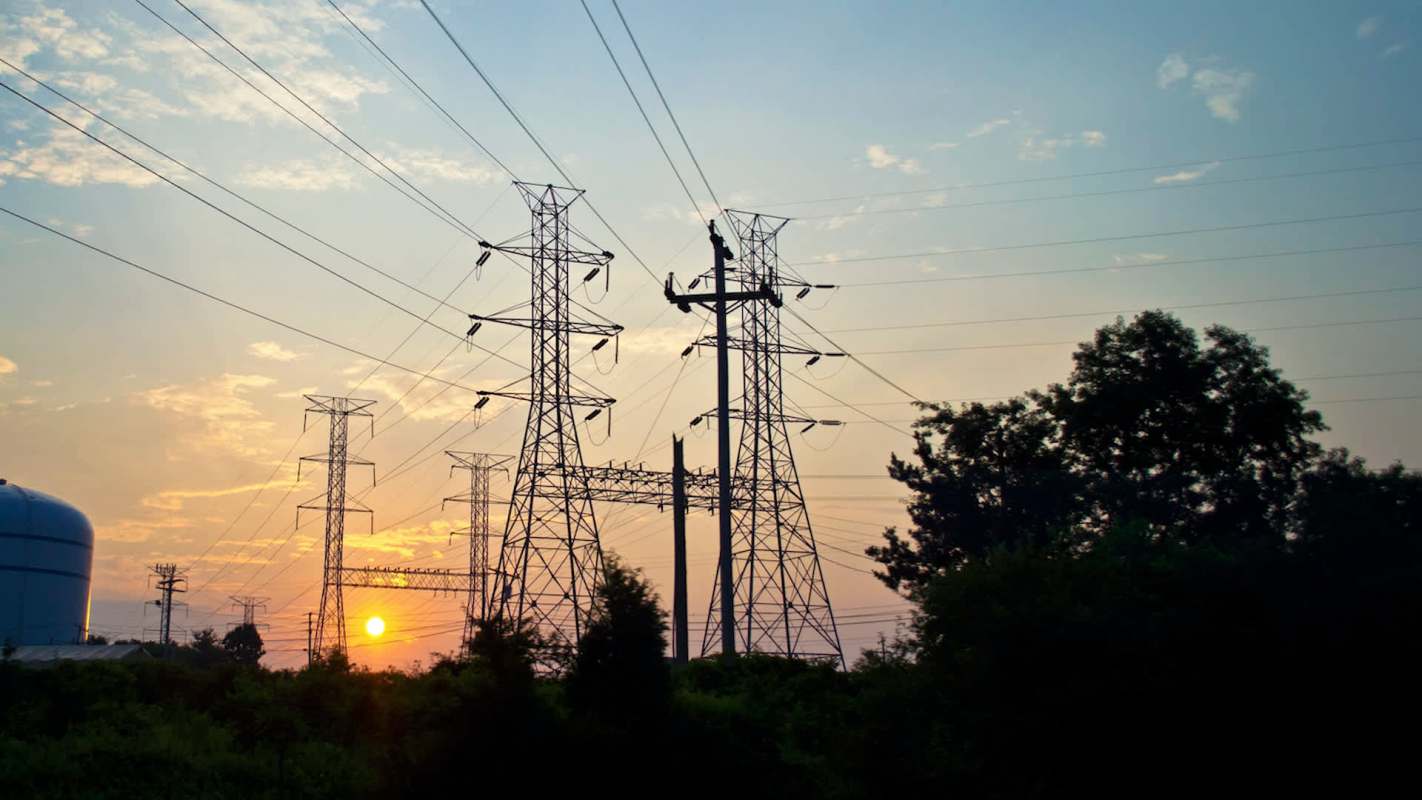
New Jersey approved payments of $200 per kilowatt for new home battery capacity that helps power the grid, offering residents another potential financial benefit from equipment that can keep essential devices running during outages, according to the New Jersey Monitor.
Here's what to know
PowerUp New Jersey will expand small-scale battery storage and introduce an interim virtual power plant initiative following unanimous approval from the Board of Public Utilities.
By easing grid strain during peak demand, both programs aim to reduce electricity costs.
The storage program's first block targets 150 megawatts of new storage and 100 megawatts from existing batteries. Existing batteries that enroll qualify for $100 per kilowatt, with payments adjusted to reflect how much electricity they supply to the grid.
For homeowners exploring batteries alongside New Jersey's new payment opportunity, EnergySage offers a resource to research options and get competitive installation estimates.
EnergySage partners with electrification company Qmerit to ensure homeowners find the best available battery storage pricing.
More background
When electricity demand approaches the available power supply, even relatively small additions of electricity can substantially affect per-kilowatt-hour prices.
The approvals follow other efforts to address AI data centers' role in surging electricity prices.
Crushed by your bills? See instant solar savings from vetted installers in just a few clicks With energy prices through the roof, there's never been a better time to go solar — and EasyHome can help you find the best prices from the best installers in your area. EasyHome takes the guesswork and headaches out of energy upgrades by showing you estimated savings from a network of vetted local partners. To get started, just enter your ZIP and share a few details about your home — seeing your estimate is really that easy. |

Beyond serving as a backup during outages, home batteries can lower electricity costs by storing power generated when electricity is cheaper. They also give homeowners greater control over their energy supply and can support off-grid use when paired with suitable equipment.
For households comparing backup options alongside whole-home systems, Pila offers a modular, expandable plug-and-play battery alternative at a substantially lower price.
The approved storage expansion is part of New Jersey's broader effort to establish 2,000 megawatts of energy storage capacity by 2030.
What's being done?
The virtual power plant initiative will coordinate devices such as smart thermostats and electric vehicle chargers to reduce electricity demand during peak hours.
Participants will receive compensation for those reductions.
The goal is to cut peak electricity use by 3% across each of the state's four regulated utilities, totaling 547.1 megawatts, the New Jersey Monitor noted.
Devices already funded through state efficiency or EV-charger programs could provide up to 82% of each utility's targeted reductions if three-quarters of eligible devices enroll.
PSE&G, Atlantic City Electric, and the other regulated utilities face an Oct. 1, 2027, deadline to begin their interim programs. Permanent programs will replace them after the interim period closes on Sept. 30, 2029.
Virtual power plant participants can collect payments from either their utility or a distributed energy resource manager.
Battery program participants, however, will be paid through a manager.
Board of Public Utilities Commissioner Emma Rebhorn emphasized the role of peak demand.
"I don't know if everyone in New Jersey understands, but it is the most expensive hours of the year that are driving the really unsustainable price hikes in the utility and electricity bills that we saw in the last few years," she said.

Get TCD's free newsletters for easy tips, smart advice, and a chance to earn $5,000 toward home upgrades. To see more stories like this one, change your Google preferences here.






