


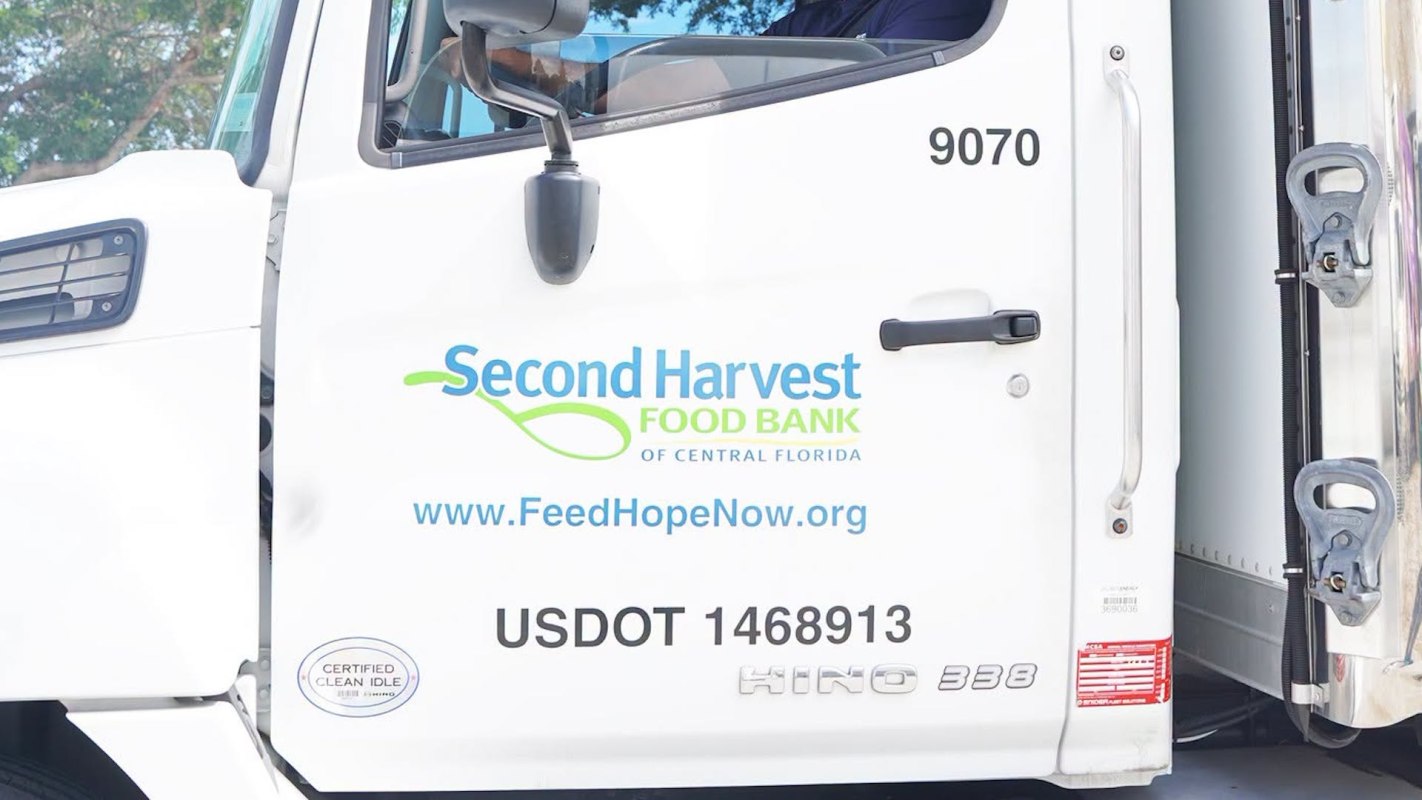
A Thanksgiving food distribution in Apopka, Florida, helped about 500 households, but for some residents, getting groceries meant spending the night in their cars.
Here's what to know
About 18% of Florida's food-insecure population lives in the seven counties served by Second Harvest Food Bank of Central Florida. Close to 650,000 people in those counties face food insecurity, according to Central Florida Public Media.
For the hunger-relief organization Feeding America, food insecurity means "when people don't have enough to eat and don't know where their next meal will come from."
Cars filled the church's parking lot more than an hour before the distribution. Patmos Chapel Executive Pastor Greg Fontus said demand for food assistance in the area has continued to increase since the COVID-19 pandemic.
Some people have traveled from Tampa to receive food, Fontus said.
More background
For Velma Clark, a 78-year-old who arrived around 3 a.m., the hourslong wait was part of managing an increasingly strained budget. Central Florida Public Media reported that 12 cars were ahead of her, and she arranged pillows in her back seat to make a place to sleep.
TCD Picks » Quince Spotlight
💡These best-sellers from Quince deliver affordable, sustainable luxury for all




Clark said her monthly rent had already increased to $880 and was set to rise again to $1,200. While she receives Social Security and other government benefits, her income exceeds the eligibility limit for SNAP, the Supplemental Nutrition Assistance Program.
"The first gentleman in line was here from 10 p.m. the night prior, and slept in his car in order to ensure that he got food for his family," Second Harvest philanthropy officer Chelsea Rice said, according to Central Florida Public Media.
According to Feeding America, nearly half of food-insecure people nationwide earn too much to qualify for SNAP. In Orange County, that figure is 40%.
Greg Higgerson, chief development officer at Second Harvest, told Central Florida Public Media that federal eligibility changes had also left about 17,000 Central Florida children ineligible for SNAP benefits their families previously received.
What's being done?
Patmos Chapel expanded its food distributions during the pandemic, building on what Interim Lead Pastor Shea Crockett described as years of supplying groceries and additional assistance, Central Florida Public Media reported.
The church also operates a food pantry on alternating weeks, giving households another regular opportunity to get groceries.
Feeding America is working on a different way to measure hunger at both the local and national levels after the U.S. Department of Agriculture stopped conducting a yearly survey of household food security that dated to 1998.
The agency called the survey "redundant" and said it did "nothing more than fear monger."
Feeding America relied on the survey for its annual "Map the Meal Gap" report, with the cited version using 2024 data.

Get TCD's free newsletters for easy tips, smart advice, and a chance to earn $5,000 toward home upgrades. To see more stories like this one, change your Google preferences here.







