


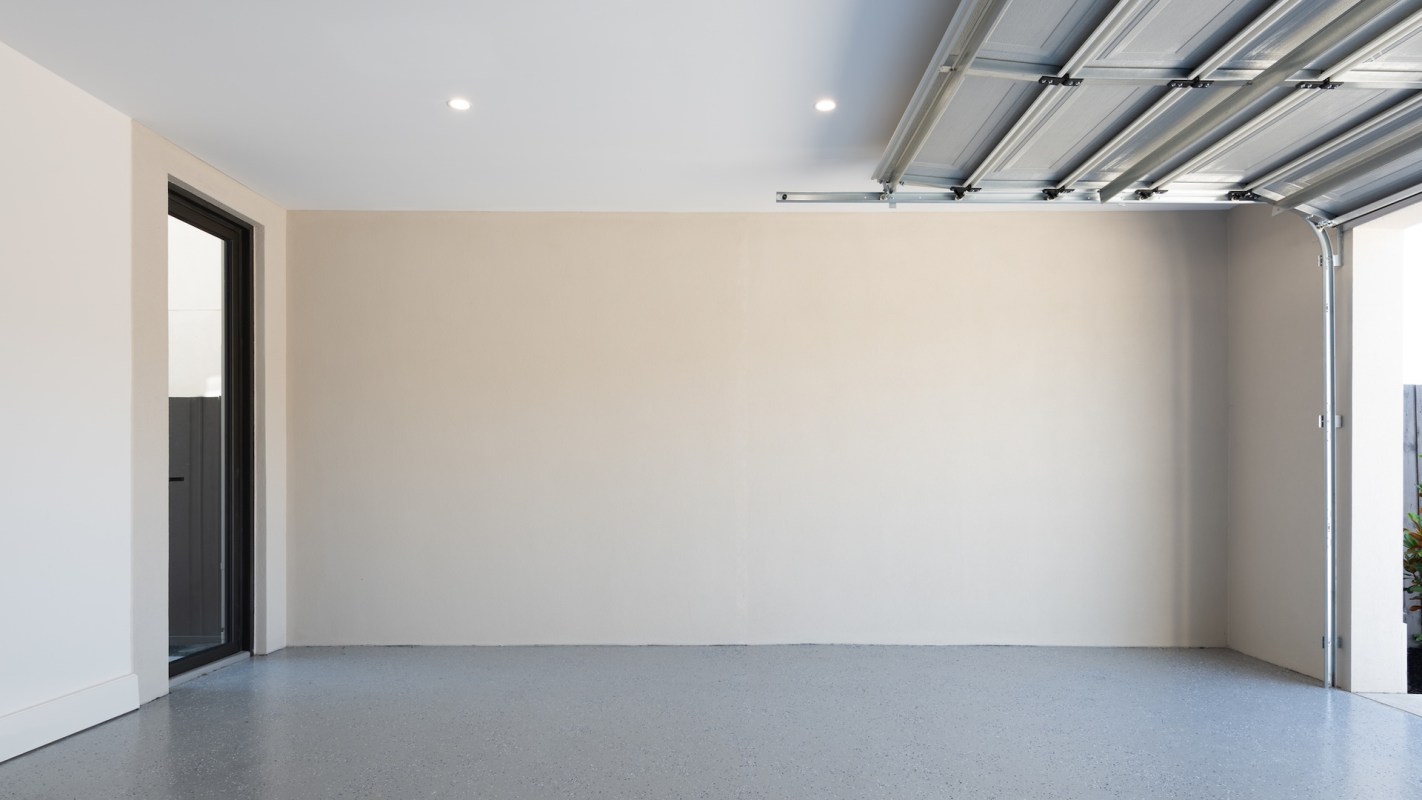
An unusually cold wall could signal more than a need for extra insulation. Moisture may be behind the problem — and covering it up could make matters worse.
Here's what to know
Missing insulation or gaps in cavity fill can leave cold spots on a wall. Elliot Anderson-Evans, a RICS surveyor at Cardiff, Wales, property firm Elliot & Hill, told Ideal Home that external walls are the most common explanation, particularly those facing north or exposed to wind and rain.
"Damp is another big one. A damp wall feels colder because moisture draws heat out, so look for mould, staining, flaking paint, or a musty smell," Anderson-Evans said.
Heat can escape through a solid component such as a concrete lintel, a process known as thermal bridging. Drafts around sockets and baseboards are another possible contributor, Ideal Home reported.
Furniture placement or the lack of a nearby radiator can affect how cold a wall feels. The space on the other side matters, too, as a wall next to an unheated garage or an empty neighboring property may feel colder.
More background
Adding insulation before resolving a moisture problem can trap water, worsen damp, and shorten the insulation's lifespan, according to Ideal Home.
TCD Picks » Quince Spotlight
💡These best-sellers from Quince deliver affordable, sustainable luxury for all




Jack Reading of Emperor Paint identified damaged pointing, cracked render, and leaking gutters as common routes for rainwater to enter masonry. With penetrating or rising damp, the source must be found and stopped before the affected area can be dried and repaired.
Adding or topping up cavity insulation is the most straightforward option. Solid walls, however, require internal or external insulation, both of which involve more complex work, per Ideal Home.
What can be done?
Rearranging furniture gives warm air more room to circulate without costing anything. DIY sealing may help with drafts, which can be noticeable as cold air around sockets or windows.
Scott Godfrey, a construction trade consultant at Black Hammer, recommended looking for flaking paint, damp patches, or a musty odor to distinguish a wall that is simply cold from one affected by damp, according to Ideal Home.
If condensation is the cause, reducing excess indoor moisture and ensuring adequate ventilation can help. A dehumidifier may also be useful. Reading noted that a protective masonry paint or treatment may be an option, but it must be breathable to allow moisture vapor to escape.
If insulation gaps are suspected, professional advice can help determine the appropriate approach, including which areas should remain uninsulated to avoid trapping moisture.
"If you are unsure what is going on, a surveyor or an insulation specialist can use a thermal imaging camera to show where the heat is escaping," Anderson-Evans said, per Ideal Home.

Get TCD's free newsletters for easy tips, smart advice, and a chance to earn $5,000 toward home upgrades. To see more stories like this one, change your Google preferences here.






